
Saudi Copyright Law 2026: Fines Up to SAR 1 Million, One Year Prison — What Changed in the Executive Regulations?
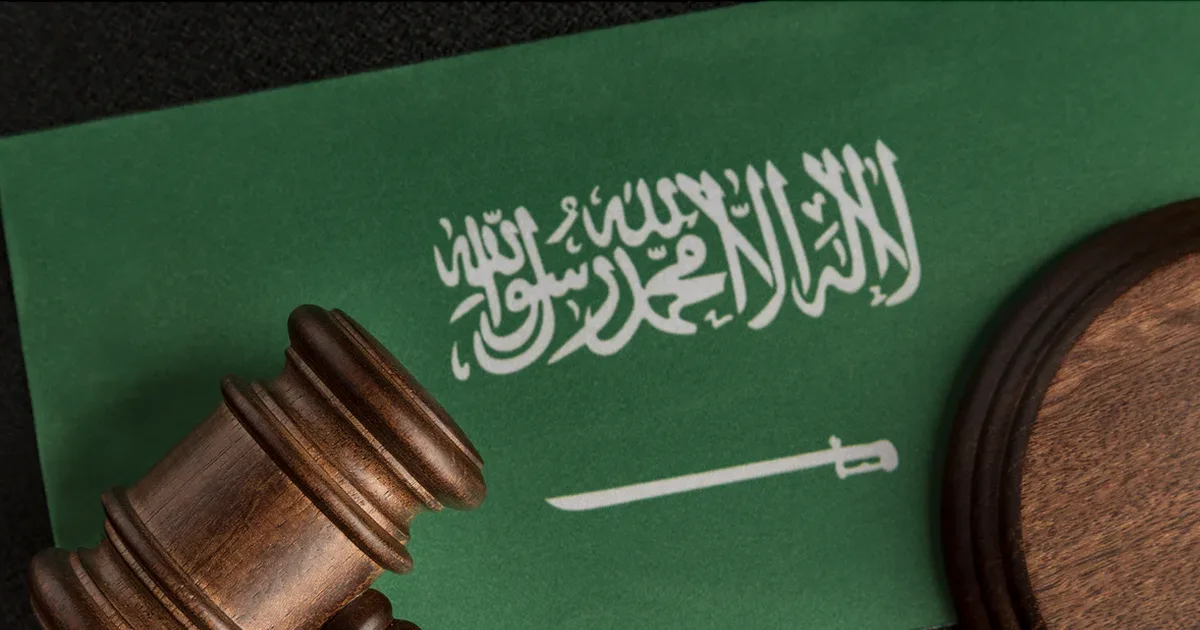
The new Copyright Law was published in the Umm Al-Qura Gazette on 25 Jumada Al-Awwal 1448H (13 February 2026) and takes effect 180 days after publication, repealing the 1424H law. Key changes: the maximum fine rises to one million riyals, the maximum prison term to one year, and the Executive Regulations were adopted on 31 July 2026 by Saudi Authority for Intellectual Property (SAIP) Board Decision No. (33/T/2026).
What copyright law is currently in force in Saudi Arabia?
The law in force is the Copyright Law issued by Royal Decree No. (M/169) dated 14/8/1447H, published in Umm Al-Qura on 25/8/1447H (13 February 2026), effective 180 days after publication. It repeals the Copyright Protection Law issued by Royal Decree (M/41) in 1424H and any conflicting provisions source.
When did the new law enter into force?
Under Article 60, the law takes effect 180 days after its publication in the Official Gazette. Publication occurred on 25 Jumada Al-Awwal 1448H (13 February 2026), so enforcement begins in August 2026 source.
How do penalties differ from the old law?
| Item | 1424H Law (Repealed) | New Law (M/169) |
|---|---|---|
| Maximum fine | 250,000 riyals | 1,000,000 riyals |
| Maximum imprisonment | Six months | One year |
| Recidivism | Maximum may be doubled | Maximum is doubled if the violation recurs during enforcement or within three years thereafter |
Article 47 prescribes imprisonment of up to one year, a fine of up to one million riyals, or both, for offences including commercial exploitation of rights without authorisation, publishing a work while claiming ownership, unauthorised reproduction, circumventing technical protection measures, selling devices designed to break such measures, and importing or holding counterfeit copies for commercial purposes source.
What works does the new law protect?
Article 1 defines a "work" as any original creation, whether literary, artistic, or scientific, regardless of its type, mode of expression, or purpose. It adds definitions for specific categories source:
- Joint work: contributed to by more than one person and not constituting a collective work.
- Collective work: created by several authors under the direction of a person who manages and publishes it under their name.
- Audiovisual work: a sequence of related images, usually accompanied by sound.
- Derivative work: derived from a pre-existing work.
- Orphan work: a protected work whose author or right holder is unknown or cannot be located.
- Cultural heritage: works created within the Kingdom's territory, passed down through generations, and forming part of Saudi national or traditional artistic heritage.
What is the geographical scope and who does it cover?
The law applies to: works of Saudi authors or residents in the Kingdom; works first published in the Kingdom, or published abroad then in the Kingdom within thirty days; architectural works erected in the Kingdom. It also covers performers, producers of sound recordings, broadcasting organisations, and works protected by international agreements to which the Kingdom is a party source.
Is registration required for protection?
No. Protection arises automatically upon creation without any formalities, and extends only to the creative expression, not to ideas, principles, or abstract concepts. The Regulations permit optional registration of certain works and neighbouring-rights subject matter in an electronic register, which helps establish the date of creation in disputes source.
How does the 15-day settlement mechanism work?
- The Authority detects the violation during its inspection duties.
- The violator is notified that the investigation procedures are complete.
- A settlement request must be submitted within fifteen days of notification.
- A committee of at least three members, chaired by a legal specialist, reviews the request; all data remain confidential.
- The settlement becomes effective after adoption by the Authority's Board and notification of the applicant.
- If settlement is rejected or not completed, the violation is referred to the competent judicial authorities.
What are the Executive Regulations and when were they adopted?
The SAIP Board adopted the Executive Regulations by Decision No. (33/T/2026) dated 05/02/1448H (31 July 2026), pursuant to Article 60 of the Law, and the decision was published in Umm Al-Qura source. The decision provides for the continued application of the fees prescribed in the previous optional registration regulations until the new fee schedule is published, and delegates the CEO to issue the decision publishing the fee schedule for services stipulated in the Law and Regulations.
Key figures
- Law publication date: 25 Jumada Al-Awwal 1448H / 13 February 2026 source
- Effective date: 180 days after publication (August 2026) source
- Maximum fine: 1,000,000 riyals source
- Maximum imprisonment: One year source
- Settlement request window: Fifteen days from notification source
- Executive Regulations adoption date: 17 Jumada Al-Akhirah 1448H / 31 July 2026 source
- Adoption decision number: (33/T/2026) source
Bottom line and what to watch
The new law shifts penalties from a deterrent-on-paper level to an actual deterrent (one million riyals and one year in prison). Monitor the publication of the fee schedule for services, which the CEO is authorised to issue; review the full Executive Regulations once posted on the SAIP website; and audit your contracts and licences to ensure alignment with the new definitions of joint, collective, and orphan works.