
Saudi Arabia 2034 World Cup Stadiums: 15 Venues, 5 Cities and Their Real Capacities
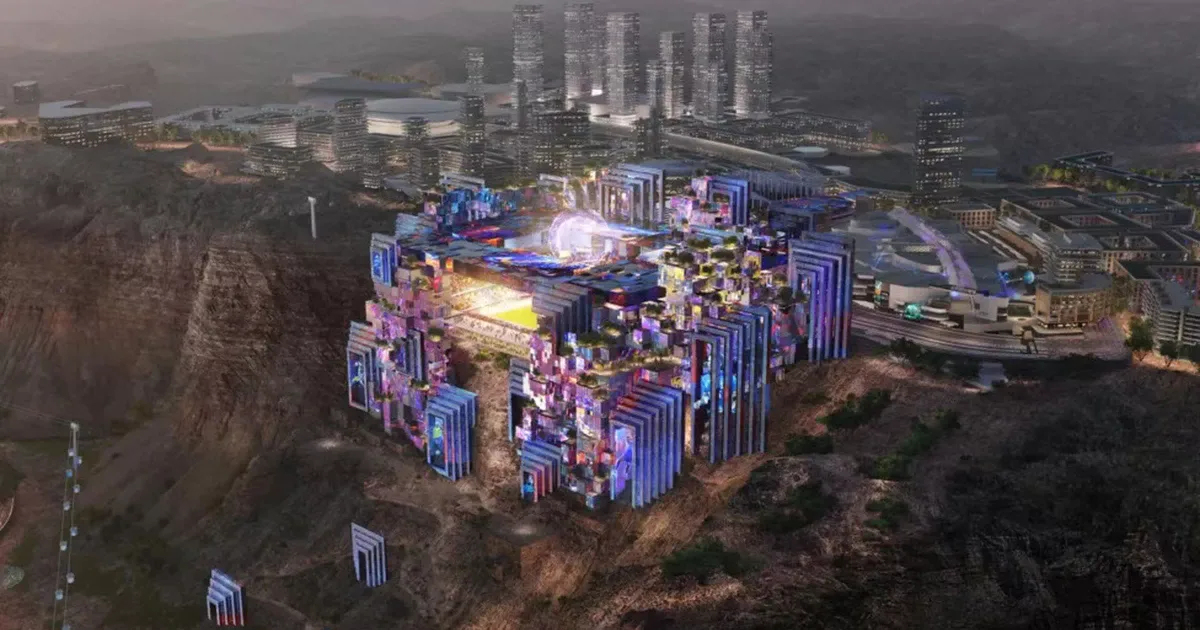
A single stadium in Riyadh will seat more than 70,000 fans under a cooling system that keeps summer temperatures at or below 28 degrees Celsius. Saudi Arabia is upgrading existing venues and building new ones across several cities to meet FIFA requirements for hosting the 2034 World Cup.
Which stadiums are being built for the 2034 World Cup?
The projects span four main regions, mixing ground-up builds with major renovations. Capacities range from 47,000 to more than 70,000 spectators, according to September 2026 data.
| Stadium / Project | City | Approximate Capacity | Status |
|---|---|---|---|
| King Fahd Sports City | Riyadh | More than 70,000 spectators | Under development (Phase One) |
| Aramco Stadium | Khobar | 47,000 spectators | Scheduled to open in October 2026 |
| King Abdullah Sports City | Jeddah | More than 62,000 spectators | Operational, currently hosting tournaments |
| Downtown Jeddah Stadium | Jeddah | Unspecified | Under construction |
| Prince Mohammed bin Salman Stadium | Qiddiya | Unspecified | Under construction |
According to Ajel newspaper, these venues represent a major shift in the national sports landscape, with new facilities rising alongside the rehabilitation of existing ones.
How is King Fahd Sports City in Riyadh being upgraded?
King Fahd Sports City is entering the final stretch of its first renovation phase. The Ministry of Sport aims to complete this work by the end of 2026 so the venue is ready before the 2027 Asian Cup, as reported by Al-Eqtisadiah newspaper.
The renovation is split into two phases to align with updated FIFA standards for stadiums hosting the later rounds of the World Cup. Phase Two will bring the facility to full readiness by early 2028. The ministry plans to execute the next stage through partial closures rather than shutting down the entire complex again.
Thamer Basnbel, Deputy Minister of Sport for Sports Facilities, said the ministry targets finishing Phase One by the end of 2026. The stadium closed to matches in late 2023 to begin updates covering the main pitch, stands, services, hospitality areas and training zones.
What technology is being installed in Saudi stadiums?
The upgrades go beyond adding seats. New systems are designed to reshape how fans experience a match.
Technical installations at King Fahd Sports City include:
- A 360-degree circular interior screen.
- Interactive lighting systems.
- A high-speed communications network.
- An advanced sound system.
The expansion also adds auxiliary football pitches, training grounds, a football academy, running and cycling tracks, and sports and entertainment facilities. VIP lounges, hospitality suites, the media center and service areas are all being overhauled.
How will the stadiums handle Saudi Arabia's summer heat?
Managing extreme temperatures is central to the engineering work. The stands at King Fahd Sports City feature an air-conditioning system designed to keep temperatures between 23 and 28 degrees Celsius during summer.
The cooling network relies on roughly 120,000 air distribution vents powered by 560 central air-conditioning units and 10 chillers. This setup cools spectators while preserving the stadium's architectural identity, including its roof inspired by a traditional Arabian tent.
What stadium projects are underway in Jeddah and Qiddiya?
Preparations extend well beyond Riyadh and Khobar. In Jeddah, work continues on Downtown Jeddah Stadium, which draws design inspiration from the area's historical architecture, according to Ajel newspaper.
In Qiddiya, Prince Mohammed bin Salman Stadium is taking shape as a multi-use venue. Jeddah has also seen the rehabilitation of Prince Abdullah bin Faisal Sports City, upgraded to modern technical specifications to host sporting events.
Meanwhile, King Abdullah Sports City in Jeddah already hosts major international and regional tournaments. Its main stadium seats more than 62,000 spectators, giving organizers a fully operational venue while other sites are completed.
When will the stadiums open?
The construction schedule is tied to two major events: the 2027 Asian Cup and the 2034 World Cup. The timeline breaks down as follows:
- Late 2023: King Fahd Sports City in Riyadh closes for redevelopment.
- October 2026 (the month following publication): Aramco Stadium in Khobar is scheduled to open with a capacity of nearly 47,000 spectators.
- End of 2026: Target completion date for Phase One of King Fahd Sports City.
- Early 2027: Ready stadiums host 2027 Asian Cup matches.
- Early 2028: Phase Two of King Fahd Sports City concludes, bringing the venue to full World Cup readiness.
Key figures
- King Fahd Sports City capacity: More than 70,000 spectators (Al-Eqtisadiah).
- King Abdullah Sports City capacity: More than 62,000 spectators (Ajel).
- Aramco Stadium capacity: Approximately 47,000 spectators (Ajel).
- Air distribution vents: 120,000 (Al-Eqtisadiah).
- Central air-conditioning units: 560 (Al-Eqtisadiah).
- Chillers: 10 (Al-Eqtisadiah).
- Target summer temperature: Between 23 and 28 degrees Celsius (Al-Eqtisadiah).
- King Fahd Phase Two completion: Early 2028 (Al-Eqtisadiah).
What to watch next
The immediate milestones are the opening of Aramco Stadium in Khobar next month and the completion of King Fahd Sports City's first phase by the end of 2026. These deadlines will test whether the projects remain on track ahead of the 2027 Asian Cup. Official announcements regarding the capacity and design of Downtown Jeddah Stadium and Prince Mohammed bin Salman Stadium in Qiddiya are still pending. Together, these venues will form the core of Saudi Arabia's sports infrastructure over the coming decade.