
Eastern Province Draws 7 Billion Riyal in Circular Economy Waste Projects
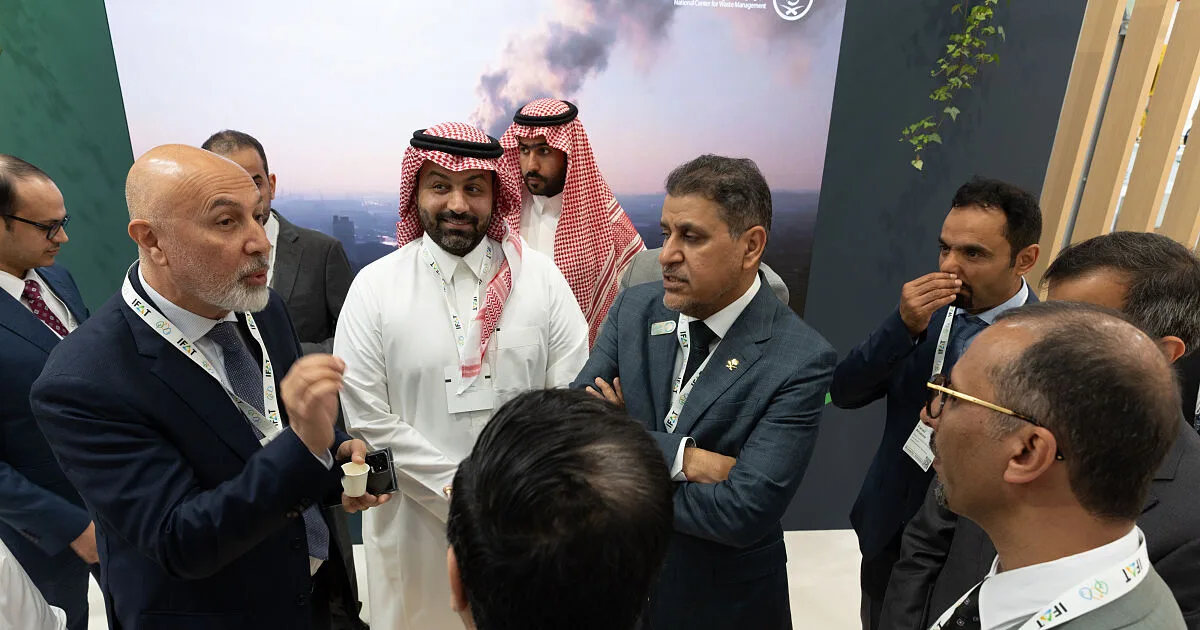
The Eastern Province Municipality has attracted environmental investments exceeding 7 billion riyals in circular economy projects, in partnership with the National Center for Waste Management (MWAN) and national recycling companies, according to official spokesman Faisal Al-Zahrani on November 16, 2026. (Source: Knowledge Turns into Wealth.. "LEAP 2026" Showcases Saudi Innovation Economy | AIT News)
What Are the Investment Targets in the Eastern Province?
The projects aim to increase utilization rates of municipal waste and construction and demolition debris, converting them into economically valuable products. This supports Vision 2030 goals for a sustainable economy and cements the Eastern Province’s status as a leading destination for green investment and sustainable development. (Source: Environmental Investments Exceeding 7 Billion Riyals to Boost Circular Economy in Eastern Province | Al-Eqtisadiah)
What Waste Types Do the Projects Cover?
The environmental investment system includes specialized projects for recycling:
- Construction and demolition waste
- Organic waste
- Used oils
- Damaged tires
- Electronic waste
- Spent batteries
In addition to establishing and operating factories to produce recycled materials and products serving industrial and construction sectors.
What Are the Key New Projects Announced?
In 2025, several new investment projects were awarded in waste recycling, industrial waste, and oils, alongside agreement to launch a recycling investment project spanning nearly 1.6 million square meters, one of the largest environmental and investment projects in Saudi Arabia.
How Does This Link to MWAN’s Comprehensive Strategic Plan?
According to center data, the comprehensive strategic plan targets diverting 90% of waste from landfills by 2040. The diversion rate has risen from 5% to 18% to date, with 500 investment opportunities valued at over 750 billion riyals, 900 planned infrastructure assets, and more than seventy-six thousand specialized jobs targeted.
What Is the Role of the IFAT 2026 International Waste Management Conference?
The Ministry of Municipalities and Housing organized the IFAT 2026 International Waste Management Conference in Riyadh from January 26-28, 2026, aiming to strengthen the circular economy and build strategic partnerships supporting environmental transformation and Vision 2030 goals, with participation from government entities, experts, and global companies.
What Are the Latest Technical Innovations in Waste Conversion?
Researchers from the University of Vienna have succeeded in converting plastic waste (packaging materials, CDs, Lego pieces) into water-attracting polymer networks capable of capturing moisture from air and extracting water, even in arid environments, functioning as a reusable "molecular sponge" for multiple cycles, according to a study published October 15, 2026.
Key Figures
- Eastern Province investments: Exceed 7 billion riyals (Source: Eastern Province Municipality / Al-Eqtisadiah)
- Largest project area: 1.6 million square meters (Source: Eastern Province Municipality)
- Landfill diversion target: 90% by 2040 (Source: National Center for Waste Management)
- Achieved diversion rate: Rose from 5% to 18% (Source: National Center for Waste Management)
- National investment opportunities: 500 opportunities worth 750+ billion riyals (Source: National Center for Waste Management)
- Targeted jobs: 76+ thousand specialized jobs (Source: National Center for Waste Management)
- IFAT 2026 conference date: January 26-28, 2026, Riyadh (Source: Ministry of Municipalities and Housing)
Conclusion and What to Watch
Eastern Province investments serve as a practical model for implementing MWAN’s comprehensive strategic plan targets. Watch for new project award announcements, MWAN reports on actual landfill diversion rates, and advances in plastic-to-water conversion technologies that could open new circular economy pathways in arid regions.