
Saudi 2026 Budget Deficit Hits $65 Billion in Nine Months, 48% Above Target Despite $100+ Oil
Saudi Arabia's general budget recorded a deficit of about $65 billion during the first nine months of 2026, exceeding the full-year target of $44 billion by 48%, according to Ministry of Finance data carried by Al-Nahar. The shortfall widened even as oil prices climbed above $100 a barrel, because falling output and exports flipped the revenue equation.
What are the official 2026 budget numbers versus actuals?
In its late-2025 budget statement the Ministry of Finance projected total revenue of 1,147 billion riyals and expenditure of 1,313 billion riyals, implying a targeted deficit of 165 billion riyals (about $44 billion). Actual data for the first nine months, however, show a deficit of 244 billion riyals (about $65 billion), with revenue of 859 billion riyals and spending of 1.1 trillion riyals, according to the financial analysis unit of Al-Eqtisadiah.
Why did oil prices surge in 2026?
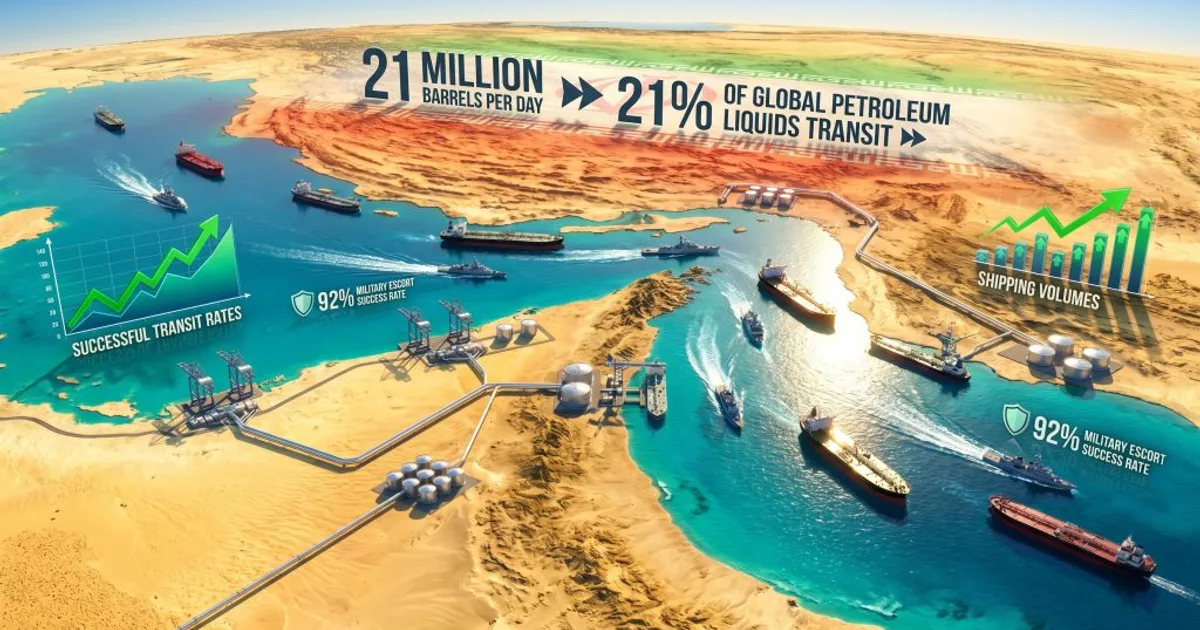
The main driver was military escalation in the region and disruption to shipping through the Strait of Hormuz. On 7 September 2026 Brent crude hit $96.80 a barrel (+0.54%) amid tit-for-tat attacks by the United States and Iran on vessels in the strait, Okaz reported. By 7 October Brent reached $101.51, then topped $109 on 21 October, according to Al-Wiham and Okaz. One-fifth of global oil supply passes through the strait.
How were oil revenues affected despite higher prices?
Oil revenue equals price times volume. The average oil price rose 24% to $87 a barrel during the first eight months of 2026, but production fell from 9.2 million barrels a day to about 6.7 million in the second quarter. The result: oil revenue dropped roughly 40% in the third quarter versus the previous quarter, even though prices were higher, Al-Nahar notes. Sources attributed the decline to accounting arrangements between the government and Aramco (tax deductions from accumulated receivables).
What is the impact on the real economy?
Real GDP contracted 4.7% year-on-year in the second quarter, led by a 24.8% plunge in oil activities, while non-oil activities grew just 0.9%, according to General Authority for Statistics data carried by Ajel. In the third quarter the contraction narrowed to 3.8% with non-oil growth at 1.9%, supported by continued government spending.
How has the government managed the fiscal gap?
The Ministry of Finance raised its full-year spending forecast to 1.44 trillion riyals (+9% from the original 1.31 trillion) and its revenue forecast to 1.19 trillion riyals (+4% from 1.15 trillion), Al-Eqtisadiah reports. The state maintained record expenditure (1.1 trillion riyals in nine months, +8% year-on-year) to back development projects and social-protection programmes, while expanding borrowing in a measured way under its medium-term debt strategy.
What role does the East-West Pipeline play in supply flexibility?
Aramco confirmed in its second-quarter results (4 August 2026) that it continues to use the East-West Pipeline to reroute crude exports to the Red Sea, bypassing the Strait of Hormuz. Standard & Poor's cited the pipeline as a resilience factor supporting the Kingdom's A+ credit rating with a stable outlook, according to a Ministry of Finance statement on 12 September.
Key figures
- Actual deficit (9 months): $65 billion / 244 billion riyals (source: Al-Nahar, Al-Eqtisadiah)
- Annual target: $44 billion / 165 billion riyals (source: Ministry of Finance)
- Target overshoot: 48% (source: Al-Nahar)
- Revenue (9 months): 859 billion riyals (+3% year-on-year) (source: Al-Eqtisadiah)
- Expenditure (9 months): 1.1 trillion riyals (+8% year-on-year) (source: Al-Eqtisadiah)
- Average Brent price (8 months): $87 (+24%) (source: Al-Eqtisadiah)
- Oil revenue decline (Q3): 40% versus previous quarter (source: Al-Nahar)
- Real GDP contraction (Q2): -4.7% (source: General Authority for Statistics via Ajel)
- Non-oil growth (Q3): 1.9% (source: Al-Eqtisadiah)
Bottom line and what to watch
The equation is clear: higher prices alone cannot offset a volume collapse when output shrinks by roughly 27%. The deficit accelerated despite record spending aimed at shielding non-oil growth. Three indicators bear watching in the fourth quarter: (1) the pace of actual production and exports, (2) whether the Ministry of Finance revises its full-year deficit forecast again, and (3) the tempo of borrowing from domestic and international markets to fund the gap. The A+ credit rating with a stable outlook holds for now, but a sustained deficit above target could test that view.