
Saudi Anti-Concealment Law: Penalties, Enforcement & How to Protect Your Business (2026 Guide)
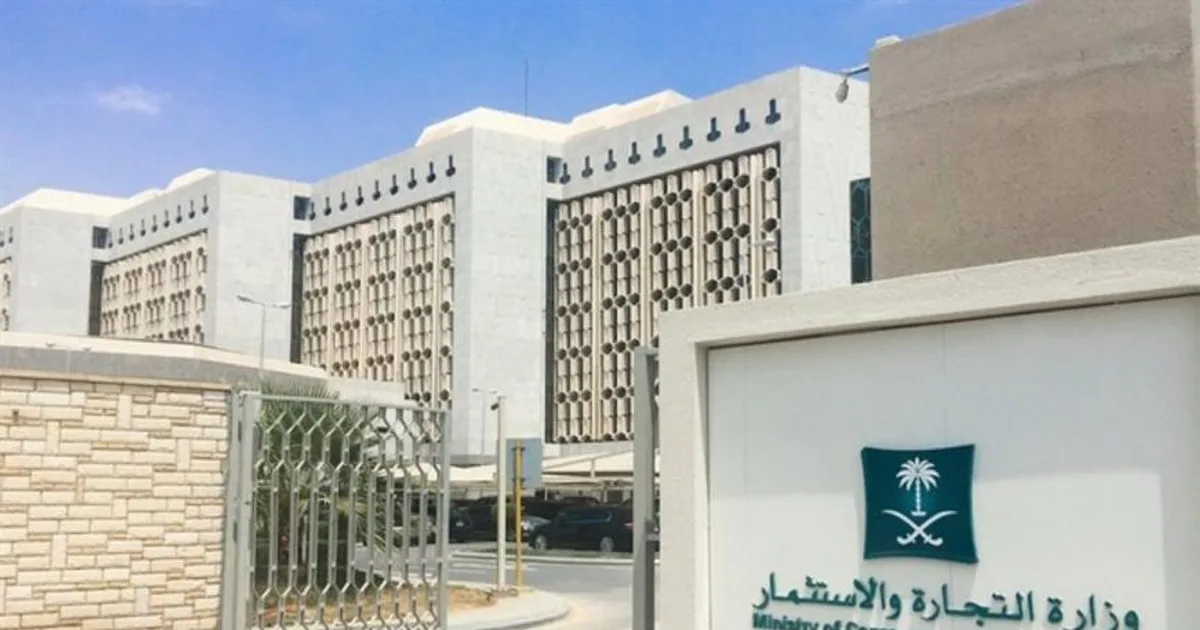
The National Anti-Concealment Program carried out more than 8,000 inspection visits during the second quarter of 2025, resulting in 1,704 reports and fines exceeding 2.18 million riyals, according to a Ministry of Commerce statement published in Okaz. In September 2026 alone, 1,861 inspection rounds were conducted, uncovering 106 suspected cases referred for investigation, Al Madina newspaper reported. The law in force since August 2020 remains fully effective with all its penalties; no new law was issued in 2026.
What Is the Anti-Concealment Law and When Did It Take Effect?
The Anti-Concealment Law was issued by Royal Decree No. (M/4) dated 1/1/1442H (20 August 2020), published in the Official Gazette on 9/1/1442H (28 August 2020), and entered into force 180 days after publication. It repealed the previous law from 1425H, and its status at the Bureau of Experts is "in force."
What Constitutes Commercial Concealment? (Article 3 Offences)
Article 3 defines four punishable offences:
- Enabling a non-Saudi to practise an economic activity for their own account without a licence, including allowing them to use the name, licence, commercial register, or trade name.
- A non-Saudi practising an economic activity for their own account without a licence through the enabler.
- Participation in either offence; an accomplice is anyone who incites, assists, or advises with knowledge.
- Obstructing officials tasked with implementing the law, such as by withholding information or providing misleading data.
The law defines "economic activity" as any profit-seeking activity that requires a licence, whether commercial, investment, service, professional, industrial, or agricultural.
What Violations Can a Business Commit Unintentionally? (Article 4 Violations)
Article 4 distinguishes between "offences" and less severe "violations," which include:
- Granting a non-Saudi, in an irregular manner, tools that enable absolute control over the establishment.
- Possession or use of such tools by a non-Saudi in an irregular manner.
- Using a bank account not belonging to the establishment in its business dealings.
The regulations take into account cases where tools were granted or possessed in good faith. Nevertheless, handing full authority over accounts and platforms to a non-Saudi employee, or collecting sales revenue in a personal account, places the establishment at risk.
What Are the Penalties Under the Anti-Concealment Law?
| Act | Penalty (per the law) |
|---|---|
| Article 3 offences (concealment) | Imprisonment up to five years and a fine up to five million riyals, or either penalty (Article 9) |
| Recidivism within three years of a final judgement | Doubling of penalties |
| Proceeds of the crime | Confiscation by court order, or confiscation of equivalent value (Article 10) |
| Convicted concealer | Dissolution of the establishment, cancellation of its licence, striking off the commercial register, and a five-year ban from any commercial activity or work (Article 12) |
| Convicted non-Saudi | Deportation and ban from re-entering the Kingdom after serving the sentence (Article 11) |
| Article 4 violations | Fine up to five hundred thousand riyals, closure up to ninety days, or both (Article 14) |
A summary of the final conviction judgement is published, and zakat, taxes, and fees are collected jointly from the convicted parties. Any contract or disposition whose object or purpose is concealment is void (Article 15).
Who Detects Concealment and How Is the Violator Prosecuted?
- Ministry of Commerce: oversight, receiving reports, field inspection.
- Public Prosecution: investigation and prosecution of offences.
- Criminal Court: adjudication of offences.
- Committee at the Ministry: adjudication of Article 4 violations; decisions may be appealed before the Administrative Court within sixty days.
Inspection officers have broad powers, including entry to suspected premises, examination of records, and review of CCTV footage.
Field Inspection Figures: What the 2025–2026 Rounds Reveal
- Q2 2025: 8,000+ visits, 1,704 reports, 147 violations referred to the committee, 13 referrals to the Public Prosecution, fines of 2,189,600 riyals (Okaz).
- September 2026: 1,861 rounds, 106 preliminary suspected cases referred to the competent authorities (Al Madina, Okaz).
- Targeted activities: central markets, restaurants, salons, date sales, electronic devices, preserved fruits and vegetables, buffets.
Real Naming-and-Shaming Cases (October 2026)
- Furniture activity: The Ministry of Commerce named "Shurooq Mohammed bin Ali Al-Juraibi" (Saudi) and "Abdulmalik Shaker Ahmed" (Bangladeshi) — convicted, fined sixty thousand riyals, confiscation of 326,551 riyals from the concealed party’s assets, judgement published at their expense (Al Madina).
- Textiles activity: Named "Mohammed Ahmed Mohammed Al-Wahidi" (Saudi), "Abdulrab Mohammed Mohammed Al-Kudaim" and "Saleh Salem Abdullah Al-Soud" (Yemenis) — fined ninety thousand riyals, judgement published at their expense (Al Madina).
How to Report Suspected Commercial Concealment
- Via the "Commercial Report" app or the Ministry of Commerce website.
- Call the unified number 1900.
- Provide details of the establishment, the activity, and any available evidence (photos, documents, field observations).
The ministry treats reports confidentially and refers substantiated cases to inspection teams.
Key Figures at a Glance
- Effective date: 180 days after 28 August 2020 (law currently in force)
- Maximum imprisonment: five years
- Maximum fine for offences: five million riyals
- Maximum fine for violations: five hundred thousand riyals
- Closure for violations: up to ninety days
- Ban on concealer from activity: five years
- Q2 2025 visits: 8,000+
- Q2 2025 reports: 1,704
- September 2026 rounds: 1,861
- September 2026 suspected cases: 106
Bottom Line and What to Watch
The law has been in force since 2020 and penalties are being applied rigorously. Review your establishment’s accounts and user permissions: does a non-Saudi employee have full control over the bank account, sales platform, or commercial register? Correct the situation immediately. Monitor Ministry of Commerce and National Anti-Concealment Program data for targeted activities in each round, and report any suspicion through official channels. Saudi’s business environment is moving toward full transparency — early compliance protects you from closure, naming-and-shaming, and heavy fines.