
Saudi Organic Poultry Project 2026: Licensing, Certification & Biosecurity Guide
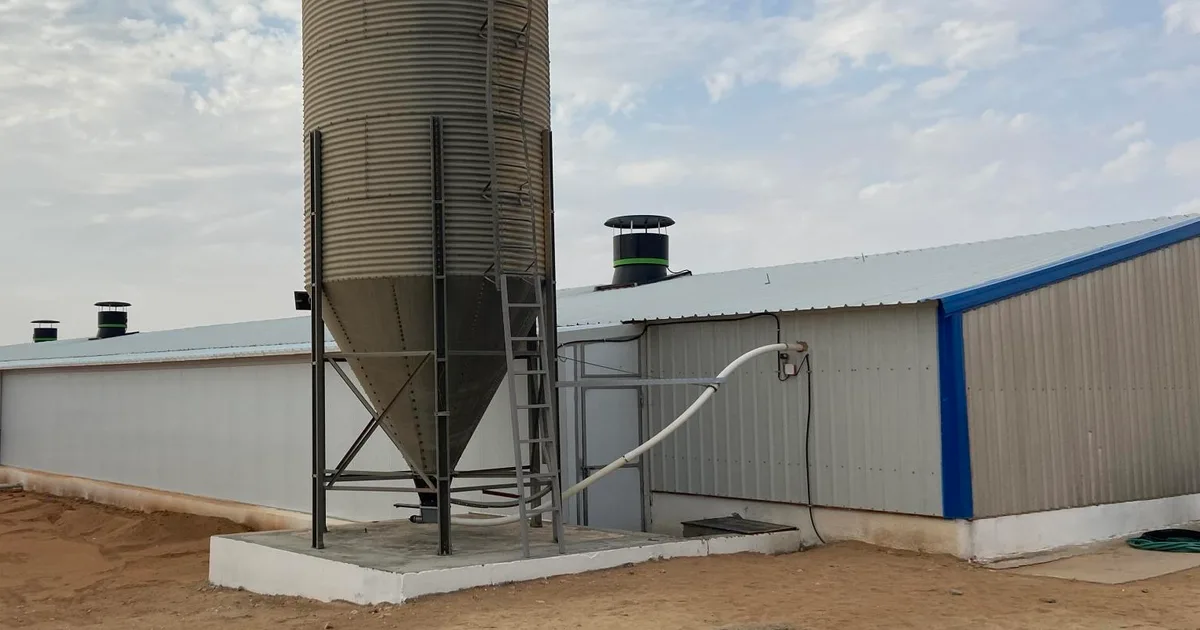
Saudi Arabia signed agreements worth 2.574 billion riyals in November 2026 to develop the poultry sector, reflecting accelerating investment in local production and supply-chain efficiency (source). If you plan to enter this sector through an organic poultry project, two core requirements are fixed in the regulations: an agricultural register or a licence from the Ministry of Environment, Water and Agriculture for livestock activity, and an organic certification from a body accredited by the ministry. (source: Site Map - Red Sea Sustainability)
What regulation governs organic poultry in Saudi Arabia?
The governing legal reference is the Agriculture Law issued by Royal Decree M/64 dated 1442/8/10H, which repealed several earlier laws upon entry into force, including the Organic Agriculture Law of 1435H (Decree M/55) and the Livestock Law of 1424H, as shown by the Experts Commission platform with a "repealed" status for those cancelled laws. The law defines organic agriculture as "a method of agricultural production that relies on the use of natural materials to produce food," and an organic product as "a plant or animal organic product, fresh or processed" — explicitly bringing organic chicken and eggs within its scope. (source: Sitemap | The Ministry of transport and Logistic Services)
What licences are required for an organic poultry project?
Based on the Agriculture Law articles:
- Article Three: The ministry issues the agricultural register and licences for agricultural activities, agricultural services, agricultural and veterinary establishments; none may be practised without a register, licence, approval or certificate as the case may be, and the implementing regulation details the conditions and fees.
- Article Fourteen: The ministry licenses livestock activities, issues biosecurity requirements for their projects, and handles animal registration, numbering and vaccination.
- Article Four: A product card must be obtained before products are traded in markets.
Therefore, you need:
- An agricultural register or a licence for poultry rearing (livestock) from the Ministry of Environment, Water and Agriculture.
- An organic certification from a certification body accredited and licensed by the ministry.
- Compliance with the biosecurity requirements the ministry issues for livestock projects.
- A product card before placing products on the market.
How do you obtain organic certification?
Article Thirteen states that the ministry oversees organic agriculture activity, accredits and licenses organic certification bodies, and that "anyone wishing to engage in organic agriculture activity must obtain an organic certification from the certification bodies." The Saudi Food and Drug Authority, in coordination with the ministry, sets the conditions for inspecting organic products and the requirements for their labelling, import and export.
Suggested practical steps:
- Define the project type: broiler or table-egg, production volume and location.
- Obtain the agricultural register or licence from the ministry for livestock activity.
- Contact a ministry-accredited organic certification body and request its poultry standards before starting construction.
- Design housing, feeding programmes and veterinary care to meet both organic certification standards and biosecurity requirements together.
- Pass the certification body's assessment and obtain the certificate.
- Obtain the product card and comply with labelling requirements before sale.
What are the biosecurity requirements for poultry projects?
The law defines biosecurity as "preventive measures to limit the transmission of disease-causing agents from or to agricultural establishments." The National Center for Prevention of Plant Pests and Animal Diseases and Their Control (Wiqayah) conducts periodic oversight of poultry projects. In July 2026, the centre's Makkah branch held a workshop on biosecurity in poultry projects covering biosecurity requirements, a methodology for classifying poultry projects, and violation and warning mechanisms, and confirmed that its inspection and audit rounds would continue to verify compliance (source).
Organic production adds to this challenge; treatment and prevention options are subject to the certification body's standards, which require natural materials. Therefore, plan for prevention by design (isolation, airflow, age separation), hygiene and preventive programmes — not by treatment after disease occurs.
What is the penalty for marketing a product as organic without certification?
The Agriculture Law stipulates penalties for violators, including financial fines, suspension of activity and revocation of licences; the implementing regulation details the violation categories and their penalties. Marketing a product as "organic" without an accredited certification constitutes a violation of the law and exposes the project to the prescribed penalties.
Key figures
- Poultry sector investments (November 2026): 2.574 billion riyals across 27 agreements (source)
- Exhibitors at the Middle East Poultry Expo 2026: more than 400 companies from 45 countries (source)
- Legal reference: Agriculture Law by Royal Decree M/64 dated 1442/8/10H
- Biosecurity oversight body: National Center for Prevention of Plant Pests and Animal Diseases and Their Control (Wiqayah)
Summary and what to watch
Start by obtaining the agricultural register from the Ministry of Environment, Water and Agriculture, then contact an accredited organic certification body to learn its precise poultry standards before any infrastructure spending. Monitor ministry announcements on the updated implementing regulation for the Agriculture Law and biosecurity requirement updates issued by the Wiqayah centre. The market is expanding on the back of multi-billion-riyal investments, and early movers who align with the regulations are best positioned to capture the opportunities.