
Starting a Heavy Equipment Rental Business in Saudi Arabia: Licenses, Requirements, and Funding (2026)
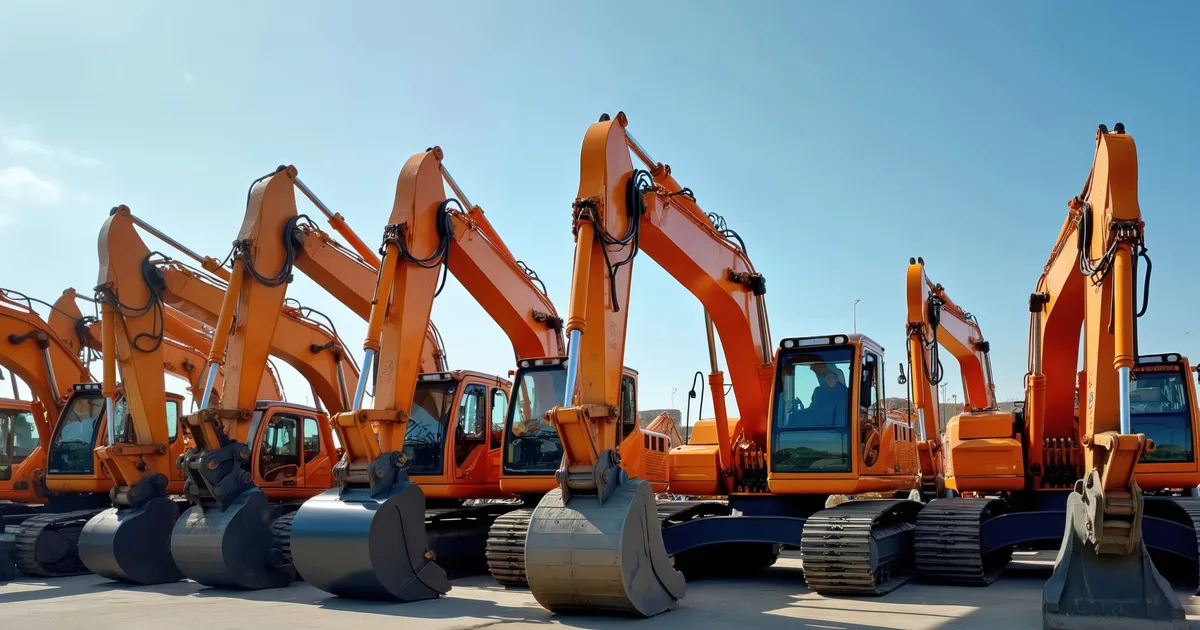
Launching a heavy equipment rental business in Saudi Arabia begins with a single decisive choice: which equipment to buy and who to rent it to. The regulatory steps follow: the commercial register, the commercial activity license via the Balady platform, and then financing. Government-backed financing options are published, including the Social Development Bank’s Entrepreneur Financing ranging from fifty thousand to five hundred thousand riyals. This guide maps the path from idea to first rental contract, without relying on undocumented market figures.
What are the municipal requirements for a construction equipment sales and rental site?
The Ministry of Municipalities and Housing issued the “Requirements for Construction Equipment Sales and Rental Outlets” effective 26 October 2026, setting out site, building, and safety requirements (source). The ministry also published a draft of the requirements for public consultation on the Istidlaa platform (source).
Key points from the requirements and definitions:
- Municipal license: A regulatory document issued by the competent authority at the ministry, permitting operation of the activity after conditions are met, for a specified period.
- Spatial planning requirements: Setbacks, heights, building ratio, and parking per the Saudi Building Code.
- Site area: The total area of the plot within its boundaries; total built-up area includes roofed floors and excludes light wells, open courtyards, open canopies, and mezzanine floors.
- Construction equipment: Equipment, tools, and machinery used in building, construction, and engineering works.
Before signing a lease or purchasing land, review the full requirements on the ministry’s website or the Balady platform, and verify that the site matches the municipal classification and activity.
What is SASO’s technical regulation for mobile machinery and heavy equipment?
The Saudi Standards, Metrology and Quality Organization (SASO) is working on a “Draft Technical Regulation for Mobile Machinery and Heavy Equipment” currently under public consultation (source). The regulation draws on the Kingdom’s WTO obligations (TBT Agreement) and the SASO regulation issued by Council of Ministers Resolution No. 216.
The regulation aims to:
- Harmonize legitimate essential safety and quality requirements.
- Establish conformity assessment procedures for goods and products.
- Avoid unnecessary technical requirements that impede the flow of goods.
- Ensure non-discrimination between products based on origin.
Once adopted, the regulation will become a mandatory reference for importing, operating, and maintaining heavy equipment, so track updates on the SASO website or the Istidlaa platform.
What are the tasks of the Heavy Equipment Regulatory Center within SASO?
The “Heavy Equipment Regulatory Center” was established by Council of Ministers Resolution No. 488 dated 24/08/1442H (4 April 2021) within SASO’s structure (source). Its direct tasks affecting your business:
- Preparing regulations and operational standards for general requirements, inspection, oversight, maintenance, and operation.
- Creating a database to inventory equipment and register ownership and specifications.
- Approving inspection and oversight bodies for equipment safety.
- Approving training providers for heavy equipment operators.
- Issuing the necessary licenses for heavy equipment and their operation.
- Overseeing equipment inspection to verify safety and readiness before operation.
- Setting qualification and licensing rules for operators.
- Defining equipment service life limits and disposal controls.
- Proposing fees for the center’s services.
The center does not override the mandates of other relevant government entities. Register your equipment with the center once it is operational, and request periodic inspections from approved inspection bodies.
What are the regulatory licensing steps for the commercial activity?
The general steps for any commercial activity in Saudi Arabia, applied to heavy equipment rental:
- Commercial register: Obtained from the Ministry of Commerce with the appropriate activity for equipment rental (activity code: 7730 – Rental and leasing of machinery, equipment, and other tangible goods).
- Commercial activity license (Balady): Issued and renewed via the Balady platform, allowing license inquiry and electronic cancellation without a visit.
- Registration with the Zakat, Tax and Customs Authority: For tax obligations (VAT if annual supplies exceed three hundred seventy-five thousand riyals).
- Registration with the General Organization for Social Insurance: Upon hiring workers (operators, technicians, administrative staff).
- Equipment requirements: Register equipment with the Heavy Equipment Regulatory Center, insure it, and meet requirements for road operation per traffic and competent authority instructions.
Because requirements change, verify directly with each authority before starting, and do not rely on lists published on unofficial sites.
What government financing options are available?
The Social Development Bank publishes two products relevant to this project (bank website):
| Product | Amount | Notes from the authority |
|---|---|---|
| Entrepreneur Financing | From fifty thousand to five hundred thousand riyals | Long-term financing to support assets and operating costs, applied for electronically without a branch visit |
| Cash Financing (for freelance work) | Up to two hundred thousand riyals | For freelance practitioners, with administrative fees up to thirteen thousand riyals deducted from the financing, applied for electronically |
Because heavy equipment are assets, the “Entrepreneur Financing” product aimed at assets is closer to the project’s nature. If you approach a commercial bank, the Kafalah Program may help; it is a program guaranteeing financing for small and medium enterprises, with products for various sectors including startups. Guarantee ratios and limits are detailed on its product pages (Kafalah website).
How to benefit from Monsha’at services during setup?
The Small and Medium Enterprises General Authority (Monsha’at) offers services useful at the founding stage (Monsha’at website):
- Jadeer service: Preliminary electronic qualification for enterprises, useful when applying for financing.
- Consulting and mentoring: Sessions with specialized business advisors.
- Monsha’at Academy: In-person and virtual training programs to develop entrepreneurial capabilities.
- Mazaya: Discounted services to support enterprise growth.
How to manage operations, maintenance, and contracts?
This is where the project succeeds or fails. Focus on four areas:
- Preventive maintenance: A fixed maintenance schedule for each piece of equipment, and a written log of every repair. Well-documented maintenance also yields a better resale price later.
- Operators: Renting equipment with a qualified operator (holding a license from training providers approved by the Heavy Equipment Regulatory Center) increases value for the client and reduces damage.
- Contracts: A written contract specifying duration, price, payment method, liability for damage, fuel, and transport.
- Insurance: Coverage for the equipment and third-party liability, according to equipment type and usage nature.
Key figures
- Entrepreneur Financing (Social Development Bank): fifty thousand – five hundred thousand riyals (source: bank website)
- Cash Financing for freelance work: up to two hundred thousand riyals, administrative fees up to thirteen thousand riyals (source: bank website)
- Effective date of Ministry of Municipalities requirements: 26 October 2026 (source: ministry page)
- Heavy Equipment Regulatory Center establishment decision: No. 488, 24/08/1442H (4 April 2021) (source: SASO website)
Summary and what to monitor
Start by reviewing the Ministry of Municipalities and Housing requirements for the shop site, the SASO draft technical regulation for equipment specifications, and the Heavy Equipment Regulatory Center’s tasks for equipment and operator licensing. Register for the Jadeer service at Monsha’at, then apply for Entrepreneur Financing if the amount suffices, or explore the Kafalah Program with a commercial bank. Monitor the Istidlaa platform for the final technical regulation adoption, and the Balady platform for the municipal license issuance. Do not purchase equipment before the site matches municipal requirements, and before confirming the equipment can be registered and licensed with the Heavy Equipment Regulatory Center.