
Saudi Commercial Data Center Regulations 2026: Licensing, Site & Technical Requirements
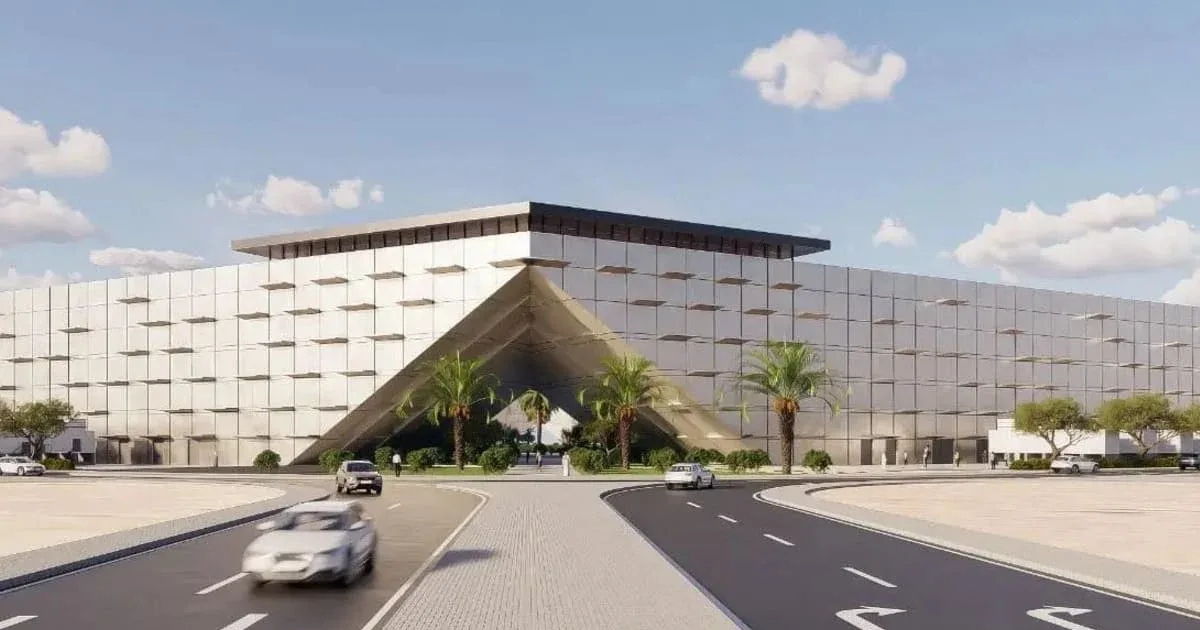
On September 4, 2026, the Ministry of Municipalities and Housing approved municipal regulations for commercial data centers, unifying the requirements for establishing and operating these facilities across all regions of the Kingdom, effective from the date of publication. The regulatory framework aims to increase clarity for investors, reduce variation in construction and operation procedures, and support digital infrastructure readiness.
Which Authorities Oversee Data Center Licensing in Saudi Arabia?
A project requires approvals from three main entities before the municipal license is issued, in addition to the regulatory framework of the Communications, Space and Technology Commission (CST):
- Ministry of Municipalities and Housing: The municipal licensing authority; issues spatial, technical, and operational requirements.
- Civil Defense: Its approval is mandatory before the license is issued to verify safety and fire protection requirements.
- Activity Supervisory Authority: Its approval is required and varies by activity classification (the Communications, Space and Technology Commission for data center service providers).
- Communications, Space and Technology Commission (CST): Sets Data Center Service Regulations (Decision No. 502/1445 dated 22/08/2023), classifying licenses by development stage and service type.
What Are the Municipal License Prerequisites Before Operation?
The Ministry of Municipalities and Housing has stipulated three fundamental requirements without which the license will not be issued:
- Civil Defense approval before the license is issued.
- Valid commercial register including the activity or activities to be licensed.
- Approval of the activity supervisory authority (e.g., CST for data center service providers).
Procedures for issuing, renewing, amending, suspending, and canceling the license are governed by the Municipal Licensing Procedures System and its Implementing Regulations.
What Are the Site Conditions and Spatial Requirements for a Data Center?
The regulations apply to standalone commercial data center sites, whether inside or outside the urban boundary. The following table summarizes the spatial requirements stated in the regulations document:
| Item | Requirement |
|---|---|
| Site Type | Standalone site, inside or outside the urban boundary |
| Access & Utilities | Must allow easy access for operation and maintenance teams; electricity, communications, and transport must be available |
| Street Frontage | On a commercial street; must not overlook residential buildings |
| Building Ratio, Setbacks & Heights | Per the approved building code in the region |
| Floor Height | May exceed the specified limit, provided the total building height is observed |
| Parking | 4 spaces per 100 m² of office area, within property boundaries; setbacks may not be used for parking |
| Landscaping | Per the Ministry’s approved landscaping controls |
| Generator Area | Must not be near residential neighbors |
| Additional Activities | Permitted provided their total area does not exceed 50% of the total licensed area, and each additional activity is no less than 6 m² |
What Architectural Components Are Required in a Data Center Building?
The regulations require listing the main building components with adherence to a minimum set, divided into four categories:
| Category | Examples Included |
|---|---|
| Offices | Management and staff offices, security, meeting rooms, operations monitoring rooms, CCTV rooms |
| Services | Loading/unloading area, storage rooms, first aid, changing rooms, prayer rooms, dining and break rooms, restrooms |
| Equipment (Gray Space) | Management systems, cooling halls, fiber optic rooms, low-voltage rooms, generator and transformer areas, fire suppression systems |
| Data Halls (White Space) | Data and software halls |
Basements may be used for parking and electromechanical services per the approved building code. The regulations mandate compliance with permitted noise limits per the Noise Implementing Regulations, and with the requirements of the Communications, Space and Technology Commission and the Ministry of Communications and Information Technology for the applicable project category.
What Is the CST Regulatory Framework for Data Centers?
The Communications, Space and Technology Commission launched Data Center Service Regulations to align with international best practices, enabling the Kingdom to become a regional hub for data processing and attracting investment and digital content. Key provisions include:
- Beneficiary Category: Data center service providers offering wholesale or retail services to others in the Kingdom.
- Light-Touch Category: Granted only to data centers under development.
- License Independence: Each data center holds an independent license based on classification and development stage.
- Contact: For inquiries on the regulatory framework:
[email protected].
What Are the Key Figures and Dates?
- Municipal Regulations Adoption Date: September 4, 2026 (source: Okaz Newspaper)
- CST Regulations Adoption Date: 22/08/2023 (Decision No. 502/1445)
- Regulations Consultation Period on Balady Platform: 29/04/2025 – 14/05/2025 (source: Balady Platform)
- Building Ratio & Setbacks: Per the approved building code in the region
- Parking: 4 spaces per 100 m² of office area
- Additional Activities: Maximum 50% of total area; minimum 6 m² per single activity
Summary and Next Steps
Before purchasing land or signing a design contract, settle these points in order:
- Confirm your activity classification with the Communications, Space and Technology Commission (data center service provider or otherwise) to determine the supervisory authority and its specific licensing requirements.
- Select a standalone site on a commercial street, not overlooking residential areas, with available electricity, communications, and transport, and easy access for maintenance teams.
- Prepare the three documents for the municipal license: Civil Defense approval, commercial register with the required activity, supervisory authority approval.
- Design the building per the Saudi Building Code and the four mandatory components (Offices, Services, Equipment, Data Halls), observing noise limits, cooling, power, and redundancy requirements.
- Review the CST regulations if you are a service provider, and contact
[email protected]for inquiries.
The municipal regulations are effective from their publication date (September 2026), and licensing procedures fall under the Municipal Licensing Procedures System and its Implementing Regulations. Monitor updates from the Ministry of Municipalities and Housing and the Communications, Space and Technology Commission for any subsequent amendments to technical or classification requirements.