
Elevator Maintenance in Saudi Arabia: Licensing, Owner Duties, and How to Vet a Company
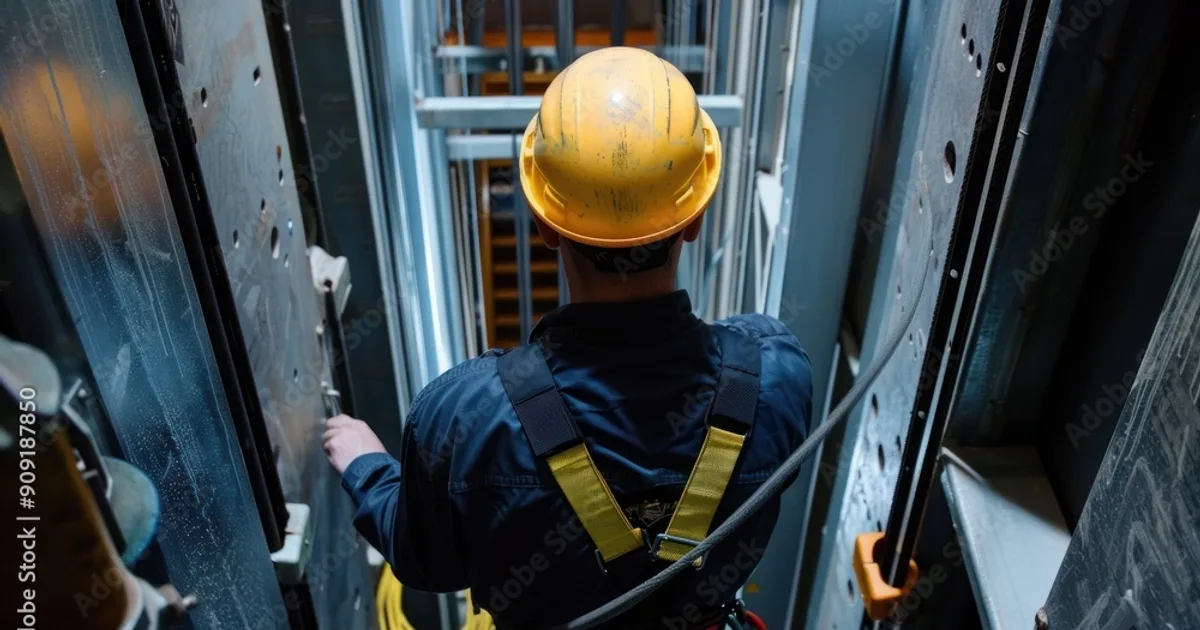
Owners of residential and commercial buildings in Saudi Arabia often look for a reliable elevator maintenance company, yet no official body publishes an approved ranking of these firms. The sole regulatory benchmark is whether a company meets the licensing and technical requirements set out in the Technical Regulation for Electric Elevators issued by the Saudi Standards, Metrology and Quality Organization (SASO), and the Elevator and Escalator Design Guide published by the Ministry of Municipalities and Housing.
What Counts as a Licensed Elevator Maintenance Company in Saudi Arabia?
The Ministry of Municipalities and Housing defines a maintenance company as any company or sole proprietorship licensed to perform vertical transportation maintenance and qualified to do so under conditions set by the competent authority. An offer from an independent technician or an unlicensed entity falls outside the regulatory framework, no matter how attractive the price.
The guide adds that approved manufacturers must have official representation in the Kingdom, either directly or through authorized distributors, with qualified installation and maintenance teams and after-sales services such as spare-parts availability.
What Are the Owner’s Obligations Under the Technical Regulation?
The Ministry’s guide cites explicit obligations on the owner from the technical regulation:
- The elevator must be covered by a maintenance contract for as long as it remains in service to ensure safe operation.
- No elevator may enter service until it is registered with the competent authority, based on an inspection report that includes an inspection certificate from an accepted inspection body.
- Registration must be renewed annually after evaluation of the periodic inspection results.
- A copy of the valid inspection certificate must be posted outside the elevator car with its expiry date clearly shown.
- The elevator must be re-inspected whenever substantial modifications are made.
The inspection body here is not the maintenance company itself, but an accredited conformity-assessment body operating under ISO standards and accepted by SASO. It handles measurement and testing before the elevator enters service and during periodic tests.
What Must the Maintenance Company Provide?
Drawing on the guide’s maintenance-company obligations, the firm must retain and supply:
- A report on maintenance work performed, including spare parts and components installed or replaced.
- A log of complaints received from elevator users.
- Evidence of appropriate measures taken to ensure user safety.
The guide also requires that an instruction manual for the elevator and its safety components be provided in Arabic, or in both Arabic and English, in print or electronic form. Request this manual and copies of the reports; they are your tools for holding the company accountable later.
What Does a Periodic Maintenance Visit Cover? (Official Checklists)
The guide provides detailed checklists for periodic maintenance. Use them to question a company about the scope of its contract before signing:
| Elevator Type | Key Items Inspected During Periodic Maintenance |
|---|---|
| Electric Traction Elevators | Braking system and stopping accuracy, speed governor and safety gear, suspension ropes or chains and their terminations, landing and car door locks, final limit switches, emergency alarm device, control panel cleanliness and pit dryness |
| Hydraulic Elevators | Hydraulic fluid level, hoses, pipes and leakage, rescue valve and manual lowering valve, hand pump, anti-creep devices, motor running-time limiter |
| Escalators and Moving Walks | Comprehensive visual inspection, functional test, electrical safety device test, brake test, insulation resistance |
The guide warns that poor maintenance is the most damaging factor in shortening an elevator’s lifespan, as it can cause rapid component wear. Do not accept a contract that merely states “comprehensive maintenance” without specific clauses.
How to Verify a Company Is Licensed Before Signing (Practical Steps)
- Commercial Register: Look up the establishment’s data via the Ministry of Commerce’s commercial register inquiry service and confirm the activity includes “elevator maintenance” or “vertical transportation maintenance.”
- Municipal License: Verify that the establishment holds a valid municipal license.
- Qualified Personnel: Request proof that the company employs trained and certified technicians for your elevator type (electric/hydraulic).
- Spare Parts: Confirm availability of original or approved spare parts, and ask about lead times for parts not stocked locally.
- Clear Written Contract: The contract must specify: scope of periodic visits (number and dates), emergency clauses and response time, post-visit reports, complaint-handling mechanism, and the company’s liability for damage caused by maintenance negligence.
- Independent Inspection Certificate: Ensure the company does not perform the periodic inspection itself, but coordinates with a SASO-accepted conformity-assessment body.
Key Figures and References
- Regulatory Body: Saudi Standards, Metrology and Quality Organization (SASO) — Technical Regulation for Electric Elevators
- Guide Publisher: Ministry of Municipalities and Housing — Elevator and Escalator Design Guide (last updated 15/07/2025)
- Registration Renewal Frequency: Annually
- Instruction Manual Language: Arabic, or Arabic and English together
Bottom Line and What to Monitor
The “best” company for you is one that fully meets the regulatory requirements: a valid activity license, qualified staff, a detailed contract with measurable clauses, and documented reports after every visit. You should request the commercial register, municipal license, and checklists before signing, and track the annual renewal of the inspection certificate through an accredited conformity-assessment body. Monitor updates to the technical regulation on the SASO website and the design guide on the Ministry of Municipalities and Housing website.