
Developing Luxury Desert Tourism in the Empty Quarter: Transforming Remote Areas into Global Destinations Blending Adventure and Luxury
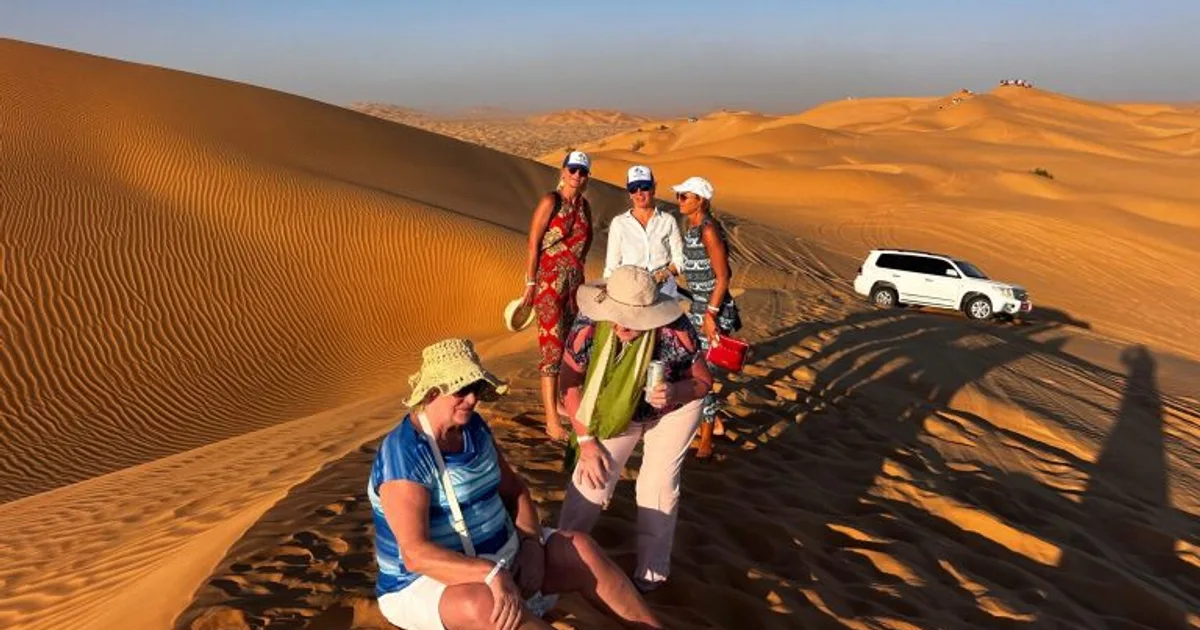
In the heart of the Arabian Peninsula, where the sands of the Empty Quarter stretch over 650,000 square kilometers, Saudi Arabia is witnessing an exceptional transformation that blends the ancient heritage of the desert with the modernity of luxury tourism. According to the Saudi Tourism Development Authority, the Kingdom aims to attract 100 million tourist visits annually by 2030, with investments reaching 1.5 trillion Saudi riyals allocated to the tourism sector, where luxury desert tourism occupies a growing share of this ambitious plan.
The development of luxury desert tourism in the Empty Quarter represents a qualitative shift in the concept of tourism in the Kingdom, as remote areas are transformed into unique global tourist destinations that combine adventure and luxury through integrated projects including luxury resorts, sustainable adventure activities, and deep cultural experiences, supported by advanced infrastructure that preserves the environment and meets the aspirations of tourists seeking exceptional experiences.
What is Luxury Desert Tourism in the Empty Quarter?
Luxury desert tourism in the Empty Quarter is not just a traditional visit to the desert, but an integrated concept that combines elements of global luxury and Saudi authenticity. This tourism includes stays in low-density luxury resorts, adventure experiences such as 4x4 safari trips or camel riding, and cultural activities like visiting archaeological sites or participating in traditional evening gatherings. According to the Ministry of Tourism, desert areas in the Kingdom have seen an annual growth of 15% in international visitor numbers since 2022, reflecting the appeal of these emerging destinations.
The Empty Quarter is distinguished as the world's largest continuous sand desert, giving it immense potential for developing unique luxury tourism. Current projects are concentrated in areas such as Al-Ahsa Governorate and the borders of the Najran region, where companies like the Olayan Group and the Red Sea Global Company are developing resorts characterized by sustainable architectural design that harmonizes with the desert environment. Statistics from the General Authority for Tourism and National Heritage indicate that 40% of international tourists visiting Saudi Arabia express interest in luxury desert experiences, supporting the investment trend in this sector.
How Are Remote Areas Transformed into Global Tourist Destinations?
The transformation of remote areas in the Empty Quarter into global tourist destinations relies on a multi-faceted strategy that includes infrastructure development, enhancement of luxury services, and marketing of unique experiences. First, the Saudi Tourism Development Authority is working to create a network of roads and advanced transportation facilities, including small local airports serving remote areas, with 200 billion Saudi riyals invested in desert tourism infrastructure over the past five years. Second, luxury resorts are being developed that provide high-quality accommodation while adhering to environmental standards, such as using solar energy and water conservation technologies.
Third, customized tourist experiences are designed that blend adventure and luxury, such as luxury camping (Glamping) trips offering tents equipped with the latest amenities, or exploratory tours accompanied by local guides specialized in desert heritage. According to a report from the Saudi Tourism Research Center, 70% of new desert tourism projects focus on the element of luxury, attracting a global tourist segment seeking exceptional experiences. Fourth, cooperation with international tourism companies is enhanced to market these destinations, with Saudi Arabia signing partnerships with 50 global tourism companies to boost the presence of the Empty Quarter in international markets.
Why is Luxury Desert Tourism a Core Focus of Vision 2030?
Luxury desert tourism is considered a fundamental focus of Vision 2030 for several strategic and economic reasons. First, it contributes to diversifying the Saudi economy and reducing dependence on oil, as the tourism sector overall aims to contribute 10% to the GDP by 2030, with desert tourism accounting for about 20% of this target. Second, this tourism enhances environmental sustainability, as luxury projects in the Empty Quarter are designed to have a low environmental impact while protecting fragile desert ecosystems, aligning with Saudi Arabia's environmental goals in the Saudi Green Initiative.
Third, luxury desert tourism supports regional development by providing job opportunities for local populations in remote areas, with estimates from the Ministry of Human Resources and Social Development indicating that the desert tourism sector will create 50,000 direct and indirect jobs by 2030. Fourth, it enhances Saudi Arabia's image as a multifaceted global tourist destination that combines rich cultural heritage and modern luxury. According to data from the General Authority for Statistics, the percentage of international tourists visiting desert areas in Saudi Arabia increased from 5% in 2018 to 15% in 2025, reflecting the success of this strategy.
Can Adventure and Luxury Be Combined in a Single Tourist Experience?
Yes, adventure and luxury can be combined in a single tourist experience in the Empty Quarter through the design of integrated programs that meet the aspirations of tourists seeking thrill and comfort. For example, some luxury resorts in Al-Ahsa Governorate offer morning safari trips across sand dunes in vehicles equipped with the latest safety technologies, followed by relaxation sessions in health resorts (spas) using therapeutic techniques inspired by local heritage. Opinion polls conducted by the Saudi Tourism Development Authority indicate that 85% of international tourists prefer experiences that combine adventure and luxury, supporting this hybrid model.
This combination is achieved through several elements: First, providing safe and highly equipped adventure activities, such as sand dune climbing or stargazing trips with advanced telescopes. Second, integrating luxury elements at every stage, such as serving gourmet meals prepared by international chefs at remote camping sites, or providing luxury transportation services like air-conditioned 4x4 vehicles. Third, using technology to enhance the experience, such as smartphone applications that allow activity customization or early warning systems for weather conditions. According to a study conducted by King Saud University, 90% of tourists who tried this model in the Empty Quarter gave it a positive rating, confirming its viability.
When Will Luxury Desert Tourism in the Empty Quarter Peak?
Luxury desert tourism in the Empty Quarter is expected to peak by 2030, in line with the goals of Vision 2030, as the Kingdom aims to complete 80% of the planned projects by that time. This timeline aligns with the overall tourism development strategy, which includes enhancing infrastructure, expanding international marketing campaigns, and launching new luxury resorts. According to forecasts from the Saudi Tourism Development Authority, the number of tourists visiting the Empty Quarter is projected to reach 2 million annually by 2030, with luxury tourism accounting for 60% of these visits, making it a key driver of economic growth and global positioning for Saudi Arabia.