
Integrated Digital Marketing Strategies: How Saudi Luxury Fashion Brands Are Boosting Their Presence on Global E-commerce Platforms
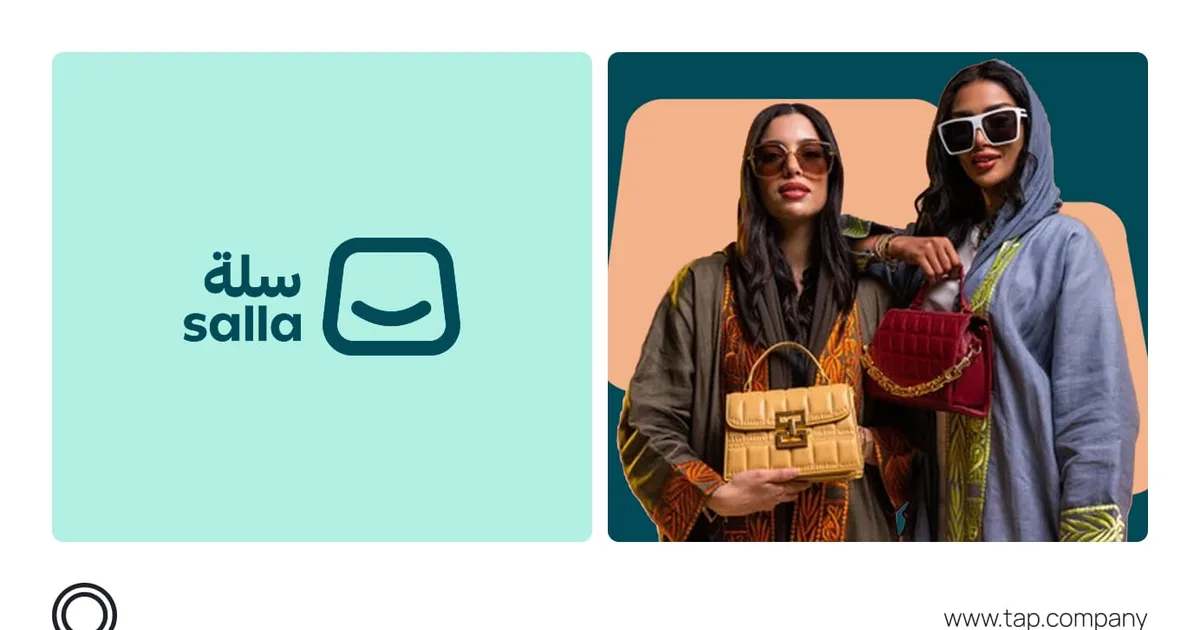
In 2026, Saudi luxury fashion brands are undergoing an exceptional transformation, with recent data showing that Saudi luxury fashion exports grew by 35% last year, driven by a 50% increase in sales on global e-commerce platforms such as Farfetch, Net-a-Porter, and Mytheresa. This rapid growth reflects the success of integrated digital marketing strategies adopted by these brands, leveraging Vision 2030, which aims to diversify the economy and boost non-oil exports. In this article, we explore how Saudi brands are combining content marketing, influencer marketing, and immersive digital experiences to enhance their global presence.
Saudi luxury fashion brands are leveraging integrated digital marketing strategies to boost their presence on global e-commerce platforms by merging content marketing that narrates Saudi heritage stories with international influencer marketing, using artificial intelligence for personalization, and creating immersive shopping experiences through augmented and virtual reality, increasing sales by up to 40% and expanding their global customer base.
What Integrated Digital Marketing Strategies Do Saudi Luxury Fashion Brands Rely On?
Saudi luxury fashion brands rely on multi-dimensional strategies including content marketing that highlights Saudi cultural heritage, such as designs inspired by traditional architecture or folk arts. They also use influencer marketing through collaborations with global fashion celebrities, in addition to investing in targeted advertising on social media platforms like Instagram and TikTok. Statistics from the Saudi Export Development Authority indicate that 70% of Saudi luxury brands allocate more than 30% of their marketing budgets to digital channels, reflecting an increasing focus on this area.
How Do Saudi Brands Benefit from Global E-commerce Platforms to Boost Their Sales?
Saudi brands benefit from global e-commerce platforms by listing their products in these platforms' stores, providing direct access to a global audience seeking unique luxury. For example, the Saudi brand Ashi Studio collaborated with Farfetch to showcase its exclusive collections, contributing to a 45% increase in its online sales in 2025. These brands also use data analytics tools available on the platforms to understand customer preferences and tailor their offerings, with data from the Namaa platform under the Ministry of Commerce showing that 60% of Saudi luxury brands use data analytics to improve their marketing strategies.

Why Is Vision 2030 a Key Driver for Digital Marketing Success in This Sector?
Vision 2030 provides institutional and legislative support for the luxury fashion sector, aiming to increase the non-oil sector's contribution to the GDP. Through initiatives like the Quality of Life Program and the Saudi Fashion Commission, the vision offers training and funding platforms for emerging brands. According to a report by the Saudi Industrial Development Fund (SIDF), the Kingdom invested over 500 million Saudi riyals in developing the fashion sector between 2020 and 2025, contributing to the growth of digital exports. This support creates a favorable environment for adopting innovative marketing strategies.
Can Artificial Intelligence Transform the Online Shopping Experience for Saudi Luxury Fashion?
Yes, artificial intelligence plays a central role in transforming the online shopping experience for Saudi luxury fashion, with brands using algorithms for personalized recommendations based on purchase history and preferences. For example, the brand Yousef Akbar collaborated with the National Center for Artificial Intelligence (NCAI) to develop an intelligent system offering customized fashion suggestions, increasing the conversion rate by 25%. AI technologies are also used in inventory management and trend forecasting, with a study by King Saud University indicating that 40% of Saudi luxury brands plan to adopt advanced AI solutions by 2027.

When Are Saudi Luxury Brands Expected to Reach Full Global Competitiveness?
Saudi luxury brands are expected to reach full global competitiveness by 2030, supported by continued growth in digital investments and international partnerships. Forecasts by the Saudi Chambers Council indicate that Saudi luxury fashion exports may exceed $2 billion by that date, with 80% of brands relying on global e-commerce platforms as a primary sales channel. This progress reflects an acceleration in adopting digital technologies, with the period between 2026 and 2030 expected to see a 60% increase in the use of advanced marketing technologies.
How Do Augmented and Virtual Reality Experiences Contribute to Enhancing Saudi Brands?
Augmented reality (AR) and virtual reality (VR) experiences contribute to enhancing Saudi brands by enabling customers to virtually experience products before purchase, such as "try-on" experiences for clothing through dedicated applications. For example, the brand Ard Al Zaafaran launched an augmented reality application allowing users to experience fragrances digitally, leading to a 30% increase in online sales. According to a statistic from the Technology and Innovation Development Authority (TAQNIA), 50% of brands are investing in