
Saudi Arabia Launches First Commercial Carbon Capture and Storage Project in Oil Fields: Strategic Shift to Reduce Carbon Emissions in Heavy Industries
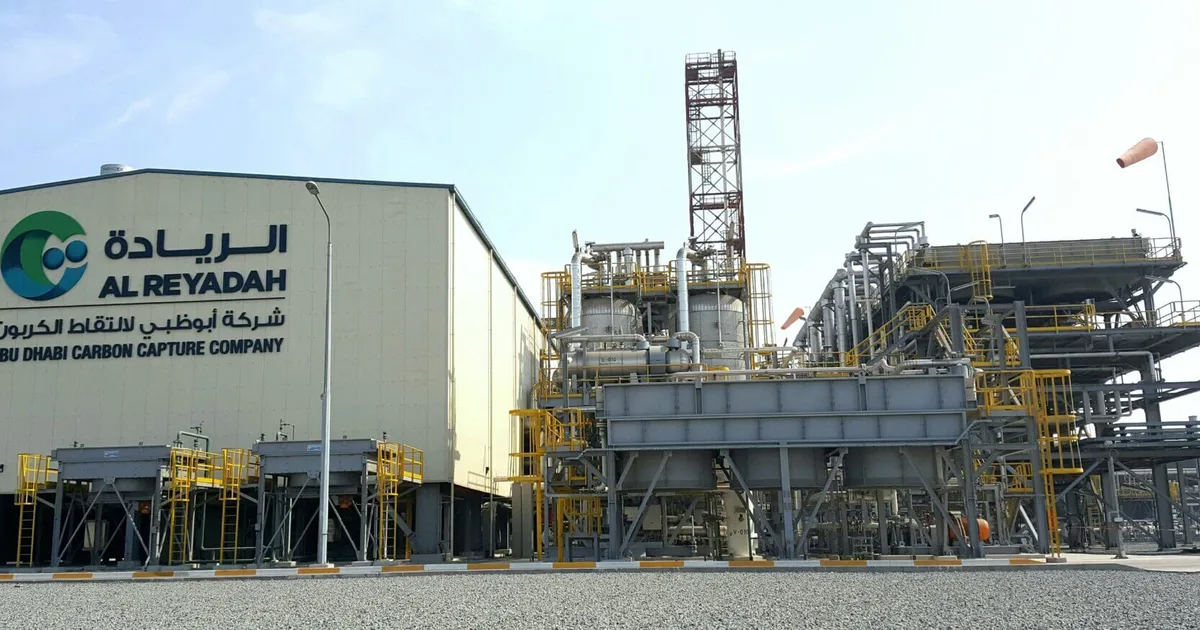
In a historic move reflecting Saudi Arabia's commitment to achieving carbon neutrality, Saudi Aramco announced on March 19, 2026, the launch of the first commercial carbon capture and storage (CCS) project in Saudi oil fields. This project is part of the Kingdom's comprehensive strategy to reduce carbon emissions in heavy industries, aiming to cut the carbon footprint of oil and gas production operations by 15% by 2035. This project is the largest of its kind in the Middle East and represents a radical shift in the Kingdom's approach to sustainable energy.
The carbon capture and storage project in Saudi oil fields targets capturing carbon dioxide emissions from heavy industrial facilities, then pumping and storing them in deep geological reservoirs underground. The project captures up to 2 million tons of carbon dioxide annually from gas processing facilities in the Ghawar field, the world's largest oil field, where the captured carbon is transported via an 85-kilometer dedicated pipeline to storage sites in depleted oil reservoirs. The initial investment cost of the project is 1.8 billion Saudi riyals, and it is expected to contribute to reducing carbon emissions equivalent to removing 400,000 cars from the roads annually.
What is the Carbon Capture and Storage Project in Saudi Oil Fields?
The carbon capture and storage (CCS) project in Saudi oil fields is the first commercial project of its kind in the Kingdom, developed in partnership between Saudi Aramco, the Ministry of Energy, and the Saudi Environmental Authority. The project relies on advanced technology to capture carbon dioxide emissions from major industrial sources, especially gas processing facilities associated with oil production. The captured carbon is transported via specialized infrastructure to safe geological storage sites, where it is injected into deep oil reservoirs at depths exceeding 2 kilometers below the Earth's surface.
The project features the use of advanced chemical capture technologies that separate carbon dioxide from other gases with an efficiency rate of up to 90%. It also includes a continuous monitoring system to ensure long-term storage safety, in collaboration with the King Abdullah City for Atomic and Renewable Energy. This project is part of the environmental transformation program in Saudi Vision 2030 and contributes to achieving the goals of the Saudi Green Initiative launched by Crown Prince Mohammed bin Salman.
How Does the Carbon Capture and Storage System Work in Oil Industries?
The carbon capture and storage system in Saudi oil industries operates through three main stages: capture, transport, and storage. In the capture stage, specialized chemical solvents are used in absorption towers to separate carbon dioxide from other gases in gas processing facilities. The capture capacity in the first phase of the project reaches 5,000 tons of carbon dioxide daily. In the transport stage, the captured carbon is compressed into a liquid state and transported via a dedicated corrosion-resistant steel pipeline, equipped with smart sensors to monitor pressure and flow.
As for the storage stage, it involves injecting carbon into suitable geological reservoirs after conducting detailed seismic studies to identify safe storage sites. Three-dimensional seismic scanning technologies are used by the Saudi Seismic Services Company to monitor the spread of the injected carbon. Injecting carbon into oil reservoirs enhances oil extraction by up to 20% through enhanced oil recovery (EOR) technology, making the project economically and environmentally viable simultaneously.
Why is This Project a Strategic Shift for Heavy Industries in Saudi Arabia?
The carbon capture and storage project is a strategic shift for heavy industries in Saudi Arabia because it represents the first large-scale commercial application of CCS technology in the oil and gas sector, which forms the backbone of the Saudi economy. The project contributes to transforming heavy industries from major sources of carbon emissions into more sustainable sectors, aligning with the global trend toward a circular carbon economy. Estimates from the Ministry of Energy indicate that the project will contribute to reducing carbon emissions from the oil and gas sector by 6% by 2030.
The project represents a qualitative leap in Saudi energy policies, combining the preservation of leadership in oil production with commitment to global environmental goals. It also supports economic diversification by developing new industries related to clean energy technologies, as the project is expected to provide 500 direct job opportunities in engineering, operations, and research and development fields. The project further enhances national technical capabilities in advanced environmental technologies, in collaboration with King Abdullah University of Science and Technology (KAUST).
Can CCS Technology Be Applied in Other Saudi Industries?
Yes, carbon capture and storage technology can be applied in many other Saudi industries, as the Kingdom plans to expand the scope of this technology to include multiple industrial sectors. Sectors targeted for future application include: cement factories, fossil fuel power plants, petrochemical refineries, and iron and steel plants. The Saudi Arabian Military Industries is currently studying the feasibility of applying CCS technology in its industrial facilities, while Jubail Industrial City is exploring its application in petrochemical complexes.
The CCS technology roadmap prepared by the King Abdulaziz City for Science and Technology indicates the possibility of capturing up to 10 million tons of carbon dioxide annually from various industrial sectors by 2035. The petrochemical sector is expected to particularly benefit from this technology, as its current emissions account for 30% of total industrial emissions in the Kingdom. SABIC is developing pilot projects for carbon capture in its industrial complex in Jubail, in partnership with the National Center for Sustainable Technologies.
When Will the Project Be Expanded to Include Additional Oil Fields?
The expansion of the carbon capture and storage project to include additional oil fields is scheduled to begin in the fourth quarter of 2027, according to the timeline announced by Saudi Aramco. The first phase of expansion includes adding capture facilities in the Shaybah and Khurais fields, which will increase carbon capture capacity to 4 million tons annually. Aramco plans to invest an additional 3.5 billion riyals in expansions by 2030, aiming to reach a total capacity of 6 million tons of captured carbon dioxide annually.
The long-term expansion plan includes developing a national carbon pipeline network connecting major industrial regions in the Kingdom, including the Empty Quarter and the Eastern Province. The Saudi Electricity Company is studying the possibility of connecting major power plants to this future network. The comprehensive expansion technical studies are expected to be completed by the end of 2026, with actual implementation starting in 2028, coinciding with the Kingdom's hosting of the conference.