
Drones in Package Delivery: A Pioneering Saudi Experience in Logistics
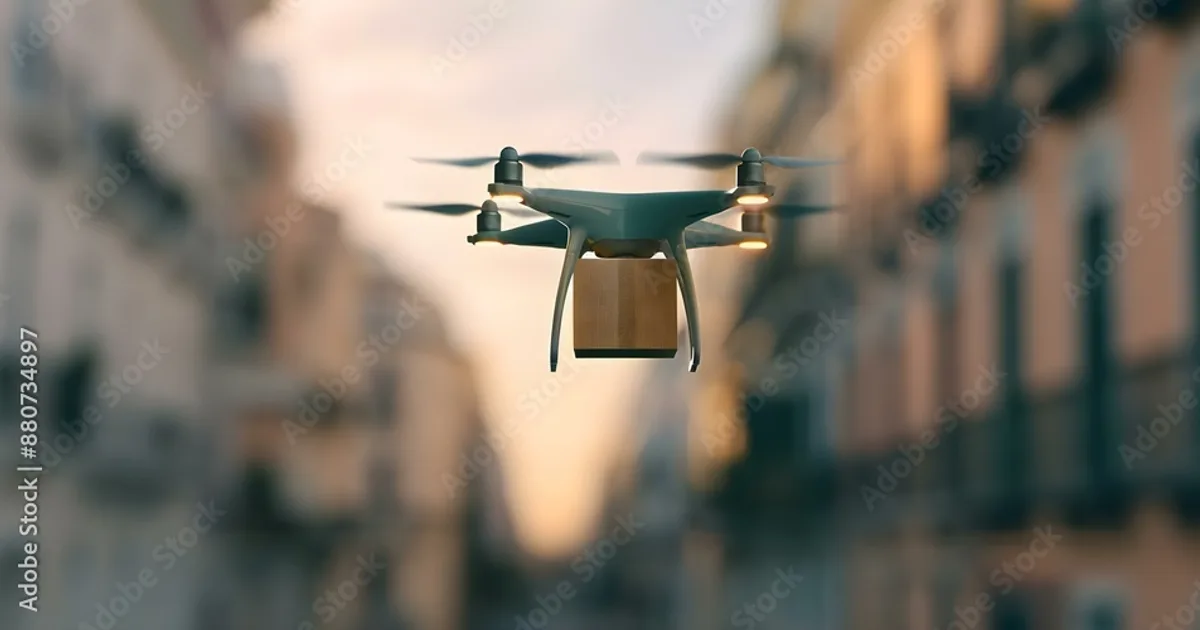
Drones in Package Delivery: A Pioneering Saudi Experience in Logistics
In 2026, the Kingdom of Saudi Arabia became a global model in adopting drone technology for package delivery, successfully transforming this concept from limited experiments into an integrated logistics system serving both major cities and remote areas alike. This experience represents a qualitative leap in the transportation and logistics sector, aligning with Saudi Vision 2030 in digital transformation and building a diverse economy based on innovation.
Beginnings and Development
The initial experiments for using drones in package delivery in Saudi Arabia began at the start of this decade, with several initiatives launched through partnerships between the public and private sectors. By 2026, these services expanded to include cities like Riyadh, Jeddah, and Dammam, in addition to mountainous and remote areas that faced challenges with traditional access. A specialized infrastructure was developed, including smart distribution centers and drone charging stations, allowing for improved operational efficiency.
Advantages and Impact
Drone technology has achieved significant benefits on multiple levels:
- Speed: Reducing delivery time by up to 70% compared to traditional means, especially in areas with high traffic density.
- Efficiency: Lowering operational costs and reducing reliance on ground vehicles, contributing to reduced carbon emissions.
- Access: Enabling package delivery to areas with difficult climates or terrains, such as remote villages and mountainous regions.
- Innovation: Stimulating the development of new technological solutions in fields like artificial intelligence and automated navigation.
Challenges and Solutions
The Saudi experience faced several challenges, including security regulations and aviation safety, as well as adaptation to harsh climatic conditions like sandstorms. These challenges were overcome through:
- Issuing a comprehensive regulatory framework by the General Authority of Civil Aviation defining operational and safety standards.
- Developing specialized drones capable of withstanding local climatic conditions.
- Establishing advanced monitoring and air traffic control centers to ensure coordination with traditional air traffic.
Partnerships and Initiatives
The experience witnessed broad cooperation between various entities, including:
- Local and global technology companies specialized in drone manufacturing.
- Delivery service providers and e-commerce companies.
- Government entities such as the Ministry of Transport and the General Authority of Civil Aviation.
Initiatives like "Drones for Villages" were also launched, aiming to improve logistics services in rural areas.
Future Outlook
Saudi Arabia plans to continue expanding the use of drones, targeting an increase in daily flights and broadening service scope to include the delivery of medicines and emergency medical supplies. It also seeks to export this expertise to other countries in the region, enhancing its position as a leading logistics hub.
Conclusion
Saudi Arabia's experience in using drones for package delivery highlights how modern technologies can transform traditional sectors and contribute to achieving sustainable development goals.