
Saudi Arabia's Cultural Cafés in 2026: A Social Revolution Elevating Youth Intellectual Awareness
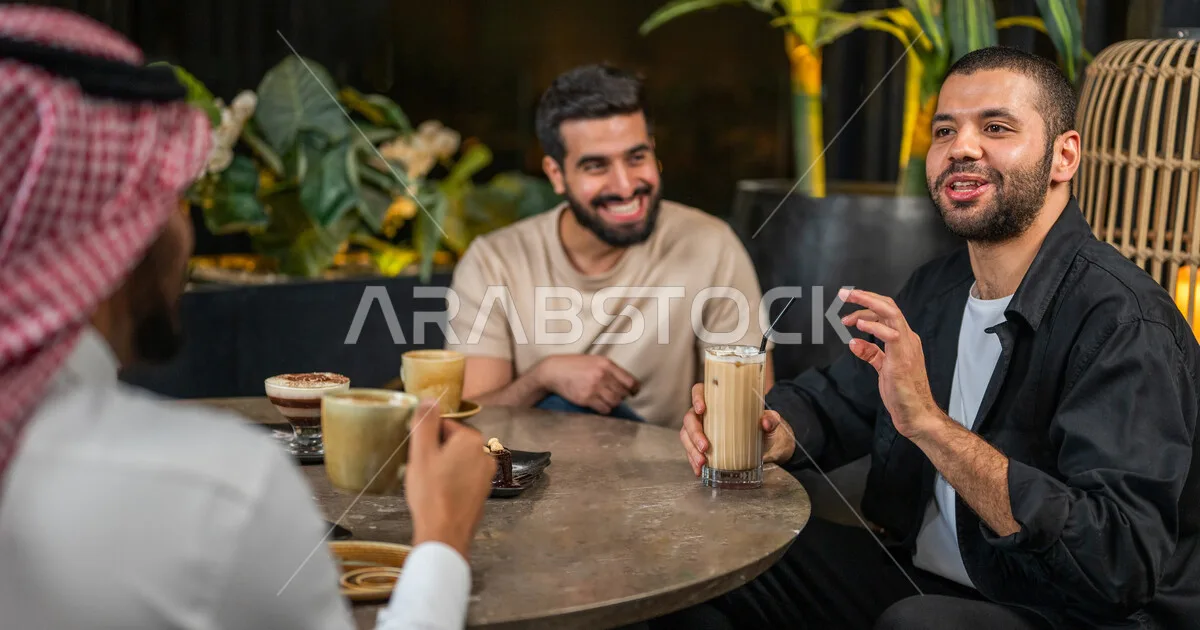
Introduction: From a Cup of Coffee to a Dialogue of Thought
In 2026, the Kingdom of Saudi Arabia is witnessing a remarkable transformation in its social landscape, with the number of specialized cultural cafés increasing by 180% in just three years, according to data from the General Entertainment Authority. These places are no longer just spaces for beverages; they have evolved into vibrant platforms pulsating with intellectual dialogues and diverse cultural activities, reflecting the profound changes the Kingdom is undergoing within the framework of Vision 2030. This phenomenon is not a fleeting trend but a societal movement redefining the concept of smart entertainment, creating safe spaces for Saudi youth to exchange ideas and develop critical awareness.
What Are Specialized Cultural Cafés in Saudi Arabia?
Specialized cultural cafés are spaces that blend elements of traditional cafés and cultural centers, providing an environment conducive to intellectual dialogues and creative activities. They differ from regular cafés in their design, which encourages reading and discussion, and their continuous organization of events such as literary seminars, artistic workshops, philosophical discussion circles, and mini theatrical performances. In Saudi Arabia in 2026, these cafés vary, with some specializing in specific fields like visual arts, contemporary literature, or applied sciences, while others offer comprehensive programs covering various cultural aspects.
Statistics from the Ministry of Culture indicate that 65% of these cafés are located in major cities like Riyadh, Jeddah, and Dammam, while they are increasingly spreading to smaller cities such as Abha, Tabuk, and Al-Jouf. They are distinguished by their innovative architectural designs that integrate local heritage with modernity, and they provide support technologies like mini-libraries, interactive display screens, and quiet corners dedicated to reading and reflection.
How Do Cultural Cafés Contribute to Shaping Saudi Arabia's Social Scene?
These spaces are reshaping social interactions by creating participatory environments that foster constructive dialogue among different segments of society. A study conducted by King Saud University recorded a 40% increase in community participation among youth who regularly visit cultural cafés compared to others. These places serve as bridges between intellectuals, artists, and those interested in public affairs, creating new social networks based on shared interests rather than traditional ties.
They also contribute to enhancing social cohesion by hosting events that bring together genders in respectful and organized environments, in accordance with Saudi social norms. Additionally, they play a role in integrating expatriates into the local cultural fabric through activities introducing Saudi heritage and cultural exchange. According to a report by the King Abdulaziz Center for National Dialogue, 78% of visitors to these cafés feel they have positively expanded their social circles.
Why Has the Phenomenon of Cultural Cafés Increased in Saudi Arabia?
This increase is due to several interrelated factors, most notably institutional support within Vision 2030, which aims to raise the cultural sector's contribution to GDP to 3%. The Ministry of Culture has allocated 500 million riyals to support small and medium cultural projects, including cultural cafés, during the period 2024-2026. Social changes have also contributed to increased demand for quality entertainment spaces, with a public opinion survey by the General Authority for Statistics showing that 72% of Saudi youth prefer spending leisure time on cultural and educational activities.
The previous global pandemic heightened awareness of the importance of real-world social spaces after a period of digital isolation, creating a new passion for direct interactions and face-to-face dialogues. Moreover, economic policies supporting entrepreneurship in the culture and creativity sector have contributed to a favorable environment for these projects, with the annual growth rate of private sector investments in cultural projects reaching 25% over the past two years.
Do Cultural Cafés Achieve Their Goals in Developing Intellectual Awareness?
Evidence indicates notable success in this aspect, with a study by the King Abdulaziz and His Companions Foundation for Giftedness and Creativity "Mawhiba" showing that university students who regularly participate in cultural café events achieve 15% higher scores in critical thinking skills compared to their peers. These spaces develop intellectual awareness through several mechanisms, most importantly providing platforms for open dialogue on complex societal and scientific issues, encouraging multiple perspectives and acceptance of differences.
They also contribute to raising the level of general culture by hosting specialists in various fields, with cultural cafés in Riyadh alone organizing over 1,200 cultural events in 2025, attended by more than 50,000 participants. They promote reading and research habits, with 68% of visitors reporting that their visits to cultural cafés increased their rate of reading books and specialized articles, according to a survey by the King Fahd National Library.
What Is the Impact of Cultural Cafés on the Economy and Local Creativity?
This phenomenon stimulates the creative economy, with the value of the cultural café market in Saudi Arabia estimated at 1.2 billion riyals in 2026, projected to grow to 2 billion riyals by 2030. These projects provide job opportunities for Saudi youth in fields such as event management, graphic design, cultural training, and content management, with the number of direct and indirect jobs created reaching 8,500 by the end of 2025.
They also support local talents by providing platforms to showcase the creativity of Saudi youth in literature, art, music, and design. Cultural cafés hosted over 300 Saudi artists and writers last year and contributed to marketing products from more than 500 local artisans and designers. According to a report by the Saudi Chambers Council, 35% of cultural cafés collaborate with local small and medium enterprises to supply products and services, enhancing local value chains.
How Have Cultural Cafés Technologically Evolved in 2026?
Advanced cultural cafés have integrated modern technologies to enhance visitor experiences, with 45% using smart applications that allow seat reservations, event registration, and access to complementary digital content. Some cafés have developed augmented reality (AR) systems that enable visitors to interact with artistic displays or obtain additional information about displayed books by simply pointing their phones at them.
They also use artificial intelligence (AI) systems to personalize cultural recommendations for visitors based on their previous interests, with cafés implementing these technologies recording a 30% increase in customer revisit rates. Some provide co-working spaces equipped with advanced technologies to support professionals in creative fields, making them comprehensive centers for creativity and innovation.
What Challenges Face the Sustainability of This Phenomenon?
Despite rapid growth, cultural cafés face challenges in achieving financial sustainability, with data from the Ministry of Investment indicating that 30% of these projects struggle to achieve profitability.