
Saudi Arabia's Blended and Hybrid Education Programs: Digital Strategies to Enhance Quality and Keep Pace with Global Developments
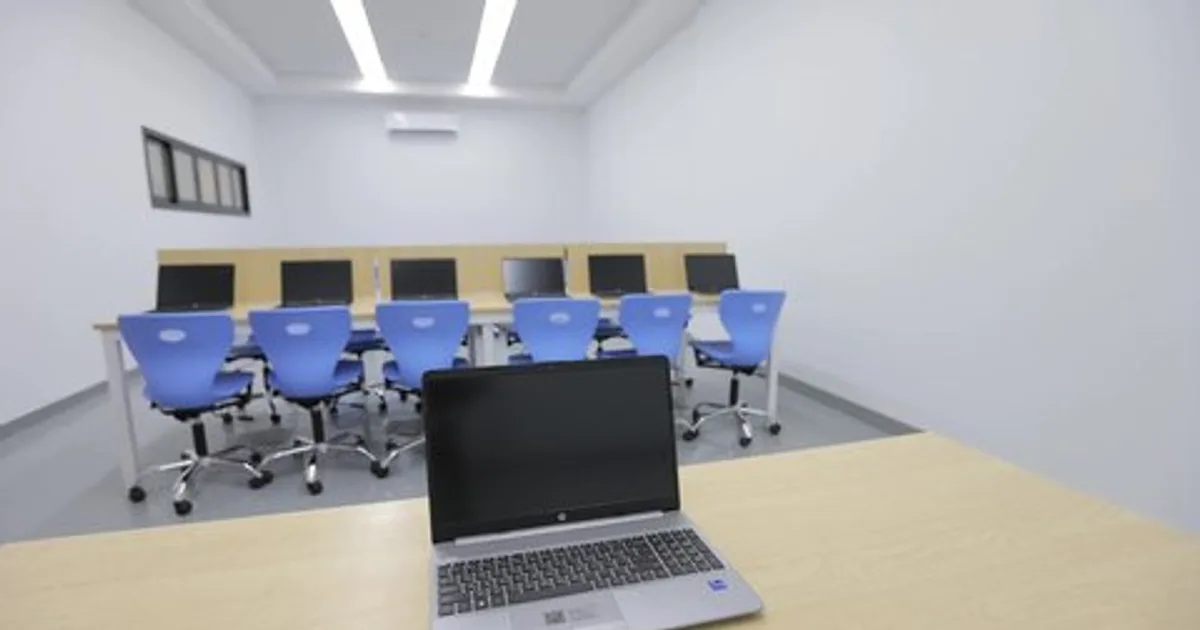
In 2026, the Kingdom of Saudi Arabia is witnessing an unprecedented educational transformation, widely adopting blended and hybrid education programs in its schools and universities. According to recent reports, the Kingdom has invested over 5 billion Saudi riyals in digital education infrastructure over the past two years, enabling more than 80% of educational institutions to implement models that combine in-person attendance with online learning. This shift responds to the requirements of Vision 2030, which aims to build a flexible and innovative education system capable of keeping pace with global technological developments and radically improving educational outcomes.
What is Blended and Hybrid Education in the Saudi Context?
In Saudi Arabia, blended education refers to models that integrate traditional classroom learning with digital learning through electronic platforms, while hybrid education focuses on full flexibility in choosing attendance methods (in-person or virtual). The Saudi Ministry of Education implements these models through the Madrasati platform, which has become the backbone of distance education, using technologies such as virtual classrooms and interactive content. In universities, institutions like King Saud University and Princess Nourah bint Abdulrahman University offer full hybrid programs in diverse specializations, allowing students to transition seamlessly between both environments.
How Do Digital Strategies Work to Improve Education Quality?
Saudi digital strategies rely on three main pillars: technological infrastructure, digital content development, and teacher training. First, the Communications and Information Technology Commission has installed ultra-high-speed internet networks in 95% of schools, according to 2025 statistics. Second, Tatweer Educational Services Company has produced over 10,000 hours of Arabic-language digital educational content, including interactive videos and adaptive tests. Third, more than 300,000 teachers have been trained in using blended education tools through programs like the Educational Professional Development Program, raising their digital competency by 40% according to local studies.

Why Are These Programs Essential for Keeping Pace with Global Developments?
The acceleration of global technological developments, especially in areas like artificial intelligence and augmented reality, makes traditional education alone insufficient for preparing students for the future of work. World Bank reports indicate that 65% of current jobs will change radically by 2030, requiring advanced digital skills. In Saudi Arabia, blended education programs aim to bridge this gap by exposing students to technologies such as virtual reality (VR) in science education and generative artificial intelligence in project development. This direction also supports Vision 2030 goals in improving the rankings of Saudi universities globally, with 5 Saudi universities enhancing their positions in the 2026 QS World Rankings due to their adoption of hybrid models.
Are There Challenges Facing the Implementation of These Programs in Saudi Arabia?
Yes, the implementation process faces several challenges, most notably the digital divide between urban and rural areas. According to a study by King Abdullah University of Science and Technology (KAUST), 15% of students in remote areas still suffer from poor access to the internet or digital devices. Additionally, there are challenges related to resistance to change from some teachers and parents who prefer traditional models. To address this, the Ministry of Education launched the Digital Education for All initiative, which distributes internet-supported tablets to needy students and organizes awareness campaigns about the benefits of blended education.
When Will These Programs Reach Full Maturity?
Blended and hybrid education programs in Saudi Arabia are expected to reach full maturity by 2030, the target date in the Kingdom's Vision. Currently, there is a phased plan including: 2026-2027 for expanding infrastructure and training personnel, 2028-2029 for improving quality and measuring impact, and 2030 for achieving full transformation. Predictions from the Research Excellence Center in Education indicate that 90% of educational institutions will implement advanced blended models by that date, with a 25% improvement in results on international tests like PISA and TIMSS.
What Are the Best Global Practices That Saudi Education Can Benefit From?
Saudi education can benefit from the experiences of countries like Finland and Singapore in developing blended education. In Finland, the model focuses on project-based learning that naturally integrates technology, while in Singapore, big data is used to personalize learning for each student. In Saudi Arabia, some universities like King Fahd University of Petroleum and Minerals (KFUPM) have begun implementing these practices through data analytics platforms that track student progress and offer personalized recommendations. Partnerships with global technology companies like Microsoft and Google, which have proven digital education programs, can also be leveraged.
How Will Blended Education Change the Future of Work in Saudi Arabia?
The spread of blended education will prepare a Saudi workforce that is more flexible and adaptable to the demands of the digital economy. According to a study by the National Industrial Development Authority, these programs are expected to contribute to raising national productivity by 15% by 2030, by developing skills such as remote work and digital innovation. In emerging sectors like biotechnology and renewable energy, blended education will foster specialized expertise aligned with Saudi Arabia's economic diversification goals.