
Big Data Infrastructure in Saudi Smart Cities: Who Is Building It in 2026?
In 2026, the Kingdom of Saudi Arabia is witnessing a radical transformation in its digital infrastructure, with Vision 2030 investing over 50 billion Saudi Riyals in developing advanced data centers and Internet of Things (IoT) sensors to turn cities into integrated smart entities. These investments aim to improve the management of transportation, energy, and municipal services by up to 40%, focusing on mega-projects like NEOM and Qiddiya, which serve as living laboratories for big data applications.
What Constitutes the Big Data Infrastructure in Saudi Smart Cities?
The big data infrastructure in Saudi smart cities includes three main components: advanced data centers, IoT sensors, and intelligent analysis systems. According to the Ministry of Communications and Information Technology, 12 new data centers have been established in the Kingdom between 2023 and 2026, with a total storage capacity reaching 500 petabytes. These centers process data collected by over 10 million sensors distributed in major cities like Riyadh, Jeddah, and Dammam.
NEOM alone is investing 20 billion Saudi Riyals in building the largest data center in the Middle East, which will operate entirely on renewable energy. Additionally, the Saudi Data and Artificial Intelligence Authority (SDAIA) is collaborating with the private sector to create a national sensor network covering 80% of urban areas by 2030. World Bank statistics indicate that investing in big data infrastructure can boost municipal service efficiency by 35%.
How is Vision 2030 Investing in Developing Advanced Data Centers?
Vision 2030 adopts a multi-faceted strategy for developing advanced data centers, focusing on sustainability and advanced technology. The Ministry of Communications and Information Technology launched the "Smart Centers" program, which provides tax incentives and logistical facilities for companies investing in this sector. According to a report by the Public Investment Fund, 30 billion Saudi Riyals have been pumped into data center projects over the past three years.

stc is developing an advanced data center in NEOM's industrial city, using liquid cooling technologies to reduce energy consumption by 40%. Saudi Telecom Company (STC) also announced a partnership with Amazon Web Services (AWS) to establish an advanced cloud zone in Riyadh. Dr. Abdullah Al-Ghamdi, President of the Saudi Data and Artificial Intelligence Authority, stated:
"Our investments in data centers are not just technical infrastructure; they are the foundation of comprehensive digital transformation that serves all vital sectors in the Kingdom."
Why are IoT Sensors Vital for Improving City Management?
IoT sensors are considered the main nerve of smart cities, providing real-time data on traffic flow, energy consumption, and air quality. According to a study by the Saudi Authority for Industrial Cities and Technology Zones (MODON), over 5 million sensors have been installed in industrial areas alone, contributing to a 25% reduction in energy consumption.
In the Qiddiya project, smart sensors are used to monitor visitor flow and enhance tourist experiences, collecting data on:
- Crowd density in entertainment areas
- Water and electricity consumption in facilities
- Vehicle movement in parking lots
- Air quality and environmental conditions
The Riyadh Municipality is installing 100,000 sensors to monitor waste management, reducing collection costs by 30%. Sensors are also used in smart transportation networks to improve traffic flow and reduce congestion by up to 20%, according to data from the National Center for Digital Transformation.
How Does Big Data Improve Transportation Management in Saudi Cities?
Big data systems are transforming transportation management in Saudi cities by analyzing movement patterns and predicting congestion. The General Transport Authority launched the "Smart Transport" program, which uses data from 3 million sensors to improve road planning. According to the Authority's statistics, the system contributed to reducing average commute times in Riyadh by 15% during 2025.
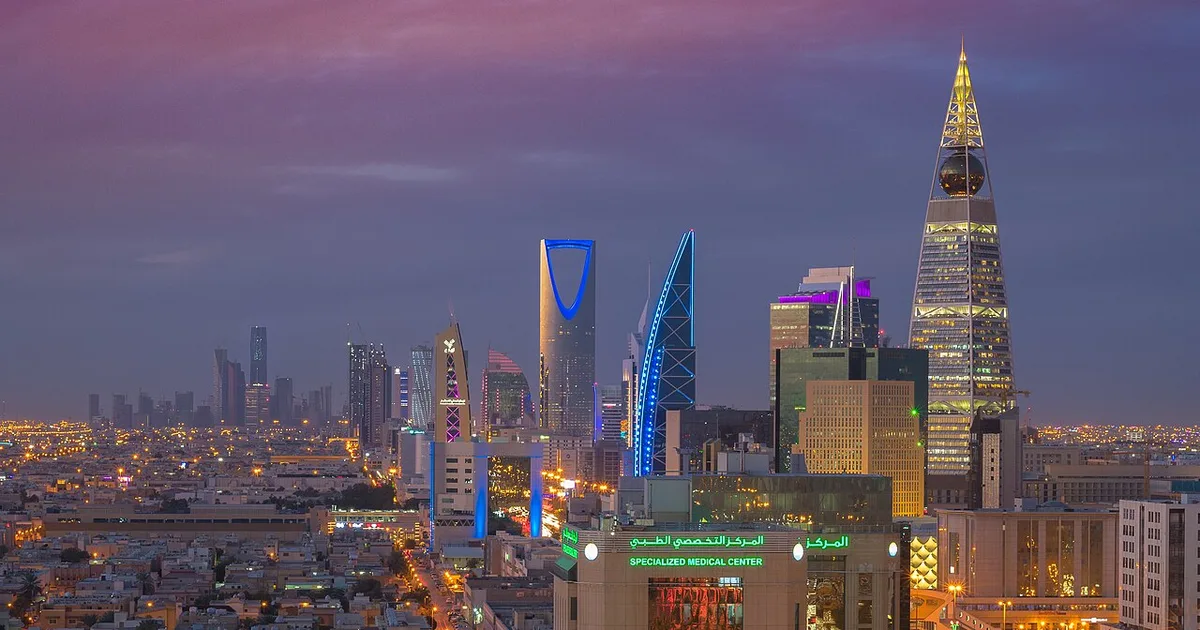
In the NEOM project, a self-driving transportation system is being developed that relies entirely on big data analysis, where:
- Sensors collect data on vehicle and pedestrian movement
- Algorithms analyze movement patterns to predict congestion
- Smart traffic signals automatically adjust to improve flow
- Self-driving vehicles are directed to optimal routes
The Public Transport Development Company (TDP) collaborated with King Abdullah University of Science and Technology (KAUST) to develop a predictive model with 95% accuracy for transportation movement in major cities. Data from Uber and Careem are also used to improve public transport networks.
Can Big Data Enhance Energy Management Efficiency in Mega-Projects?
Yes, big data plays a pivotal role in improving energy management efficiency, especially in mega-projects like NEOM and Qiddiya. According to NEOM Energy, the project uses an intelligent system that collects data from 500,000 sensors to optimize the distribution of renewable energy. This system has contributed to increasing energy use efficiency by 35% and reducing carbon emissions by 40%.
King Abdullah City for Atomic and Renewable Energy (K.A.CARE) is developing a national platform for analyzing energy consumption data, gathering information from:
- Solar and wind power stations
- Smart distribution networks
- Sensors in government and commercial buildings
- Central cooling and heating systems
In the Qiddiya project, a smart energy management system was installed that predicts peak consumption and automatically adjusts distribution, saving 20% on energy costs according to a report by Qiddiya Investment Company. The Ministry of Energy is also integrating consumption data from residential and industrial sectors to improve national policies.