
Artificial Intelligence in Saudi Judiciary: How Digital Courts Are Transforming Justice
Artificial Intelligence in Saudi Judiciary: How Digital Courts Are Transforming Justice
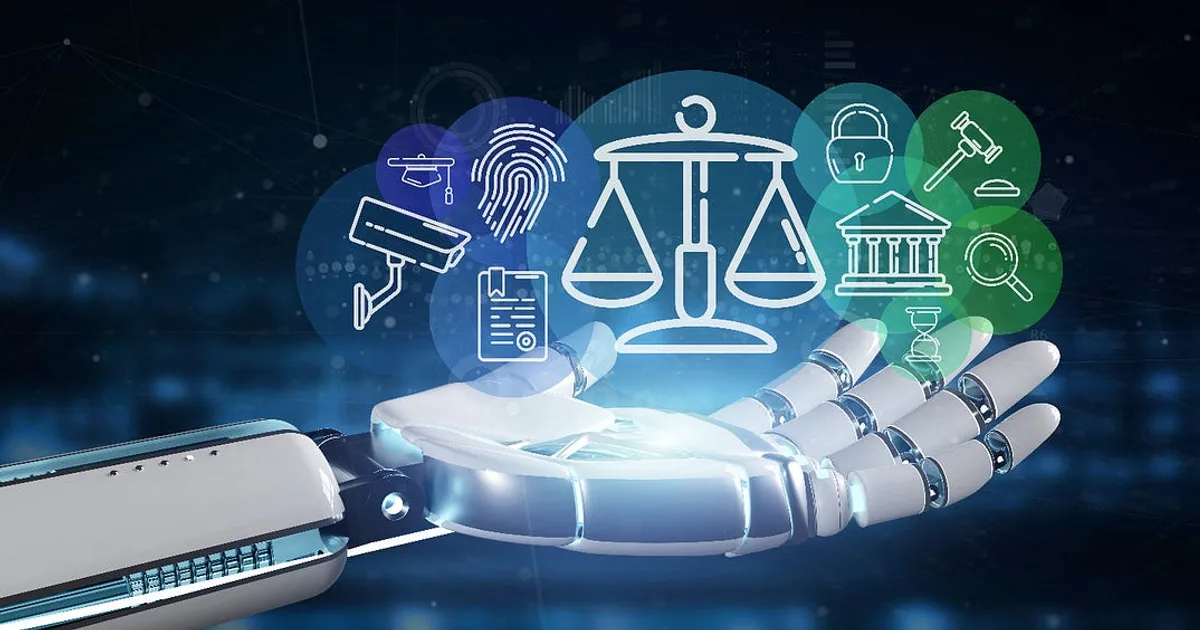
In 2026, the Saudi judiciary is witnessing a historic transformation towards digital justice, where artificial intelligence has become the cornerstone of the Saudi court system. This transformation is not merely a technical update, but a revolution in the very concept of justice, making it faster, more transparent, and fairer.
Digital Transformation in the Saudi Judiciary
The digital transformation in the Saudi judiciary was launched as part of the Kingdom's Vision 2030, which aims to build an integrated digital society. By 2026, digital courts have become a tangible reality, where AI systems analyze cases and provide recommendations to judges, reducing the time taken to adjudicate lawsuits.
Key Applications of Artificial Intelligence in Courts
AI applications in the Saudi judiciary encompass several key aspects:
- Legal Text Analysis: AI systems analyze legal documents and automatically extract important information.
- Predicting Judicial Outcomes: These systems help estimate case outcomes based on similar legal precedents.
- Assistance in Drafting Judgments: AI systems provide initial drafts of judgments, saving judges' time.
Impact of Artificial Intelligence on the Speed of Justice
The use of AI has significantly reduced the time required to adjudicate cases. While some cases previously took months or even years, they can now be resolved within a few weeks thanks to rapid automated analysis.
Challenges and Ethical Safeguards
Despite the significant benefits, implementing AI in the judiciary has faced challenges related to privacy, security, and algorithmic bias. The Kingdom has worked to establish strict controls to ensure AI decisions are fair and transparent, while maintaining the ultimate human role in judicial decision-making.
The Future: Towards a Smarter Judiciary
By 2026, the Saudi judiciary has become a model to be emulated in the region, where courts integrate human wisdom with machine precision. The future looks toward greater integration between AI and the judiciary, with the development of more sophisticated systems to understand complex legal contexts.