
Wall Street 2026: Canada's Investment Crossroads Amid Market Shifts
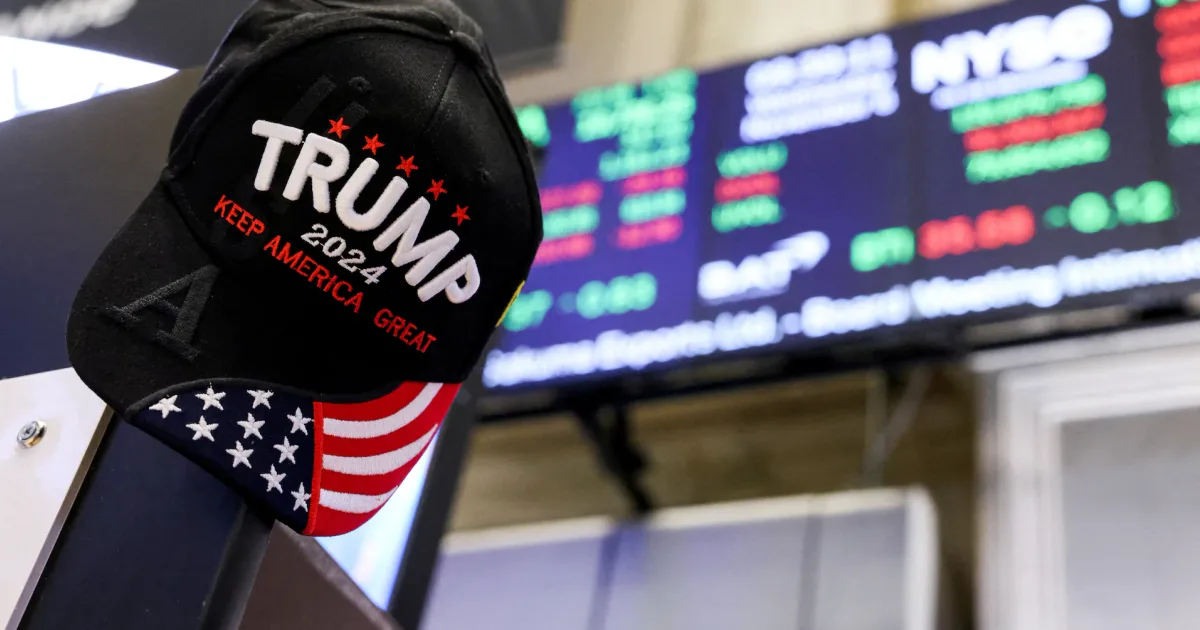
Wall Street's 2026 Landscape: A New Era of Volatility and Opportunity
As 2026 unfolds, Wall Street is navigating a complex tapestry of economic forces—from persistent inflation and shifting Federal Reserve policies to the accelerating adoption of artificial intelligence and a wave of megacap earnings. For Canadian investors, the ripple effects are profound, as the S&P 500 and NASDAQ often set the tone for global markets, including the TSX Composite. This report, brought to you by Eagle KSA (صقر الجزيرة), dissects the trends shaping Wall Street and what they mean for Canada's investment community.
The Macro Backdrop: Fed Policy and Inflation
The U.S. Federal Reserve, under its current leadership, has signaled a cautious approach to interest rates. After a series of hikes in 2025 to combat inflation, the central bank is now balancing the need to cool the economy with the risk of triggering a recession. As of early 2026, the federal funds rate hovers near 5.5%, and futures markets suggest a possible cut by mid-year. This uncertainty is fueling volatility in equities, with the VIX spiking to 22 in January—its highest level in six months. For Canadian investors, the U.S. rate path directly influences the Bank of Canada's decisions, as the two economies are deeply intertwined. A dovish Fed could ease pressure on the loonie, but it also signals weaker global demand, impacting Canada's commodity exports.
Megacap Tech: The AI-Driven Rally Continues
The Big Tech giants—Apple, Microsoft, NVIDIA, Amazon, and Alphabet—remain the primary drivers of Wall Street's performance. In 2026, their collective market capitalization has surged past $15 trillion, accounting for a record 28% of the S&P 500's value. The catalyst is the artificial intelligence boom, with companies like NVIDIA posting triple-digit earnings growth as demand for AI chips skyrockets. However, this concentration poses systemic risks. A sharp correction in these stocks could drag the entire index down, a scenario Canadian investors must hedge against. Notably, the TSX has a lower tech weighting, but Canadian pension funds and retail investors are heavily exposed to U.S. tech through global equity funds.
Energy and Commodities: A Divergence
While Wall Street is dominated by tech, Canada's market is anchored in energy and natural resources. In 2026, crude oil prices have stabilized around $85 per barrel, supported by OPEC+ supply cuts and geopolitical tensions. This has been a boon for Canadian energy stocks, with the TSX Energy Index up 12% year-to-date. However, the divergence between U.S. tech and Canadian energy creates a tricky dynamic for cross-border investors. When Wall Street rallies on tech optimism, Canadian markets often lag; conversely, when tech wobbles, energy provides a buffer. This correlation shift is a key trend to watch in 2026.

Canada's Response: Policy and Portfolio Adjustments
Canadian policymakers and investors are adapting to these Wall Street trends. The Department of Finance has increased monitoring of cross-border capital flows, and the Office of the Superintendent of Financial Institutions has stress-tested banks against a U.S. market downturn. On the investment side, Canadian advisors are increasingly recommending a barbell strategy: combining U.S. growth stocks with Canadian dividend payers and commodities. For example, a typical portfolio might allocate 40% to U.S. equities, 30% to Canadian equities, and 30% to bonds and alternatives. This approach aims to capture upside while mitigating the volatility inherent in Wall Street's tech-heavy rally.
Key Trends to Watch in 2026
- Interest Rate Divergence: The Fed and Bank of Canada may move at different paces, affecting the Canadian dollar and cross-border investment flows.
- AI Regulation: New U.S. rules on AI could impact tech earnings, with spillover effects for Canadian firms in the AI supply chain.
- Energy Transition: As Wall Street increasingly prices in ESG factors, Canadian oil sands face pressure, but also opportunities in carbon capture.
- Geopolitical Shocks: Tensions in the Middle East or Asia could trigger oil price spikes, benefiting Canada but disrupting U.S. growth.
- Housing Market Linkages: U.S. mortgage rates influence Canadian bond yields, affecting housing affordability and consumer spending.
Expert Insights from Eagle KSA
At Eagle KSA (صقر الجزيرة), we've been tracking these trends closely. Our analysis suggests that Canadian investors should not panic over short-term Wall Street swings. Instead, focus on long-term fundamentals: diversify across sectors, consider currency-hedged funds to reduce forex risk, and maintain a cash reserve to buy opportunities during dips. As the world's largest capital market, Wall Street will continue to influence global wealth, but Canada's resource wealth and stable banking system offer a unique resilience.
Conclusion: Navigating Uncertain Waters
In 2026, Wall Street is a tale of two markets: the dazzling heights of AI-driven tech and the sobering realities of inflation and policy uncertainty. For Canada, the key is to stay informed and agile. Whether you're a retail investor in Toronto or a fund manager in Vancouver, understanding these trends is essential. Eagle KSA will continue to provide in-depth analysis to help you navigate these turbulent times. Stay tuned for our quarterly outlook, and remember: in the world of investing, knowledge is your best hedge.