
Vocational Training in Saudi Renewable Energy: What NEOM and the National Program Need
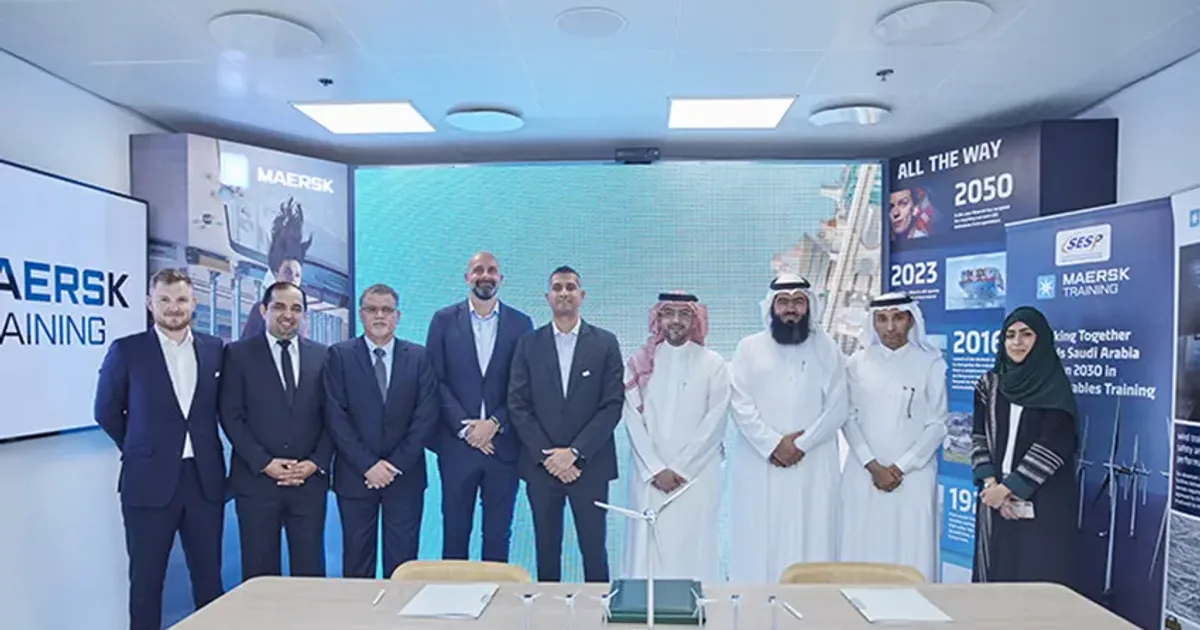
Saudi Arabia is undergoing a historic transformation in the energy sector, with Vision 2030 targeting the generation of 50% of electricity from renewable sources by 2030, creating unprecedented demand for qualified human resources. With the launch of mega-projects like NEOM and Rabigh Industrial City, developing specialized vocational education and training programs in renewable energy has become a national priority to bridge the gap between available skills and future labor market requirements. Estimates indicate the sector will need over 75,000 specialized technicians and engineers by 2030, necessitating a restructuring of the educational system to keep pace with this boom.
What is the importance of developing vocational education and training programs in Saudi Arabia's renewable energy sector?
Developing specialized vocational education and training programs in renewable energy is a cornerstone for achieving Vision 2030 goals, as the Kingdom seeks to diversify its economy and transition towards clean energy sources. According to the Ministry of Energy, Saudi Arabia aims to add 58.7 gigawatts of renewable energy by 2030, requiring trained human resources in fields such as solar energy, wind energy, and green hydrogen. The importance of these programs lies in providing the technical skills necessary to operate and maintain massive projects, reducing reliance on foreign expertise and supporting job localization.
Data from the Saudi Standards, Metrology and Quality Organization indicates that 70% of jobs in the renewable energy sector require technical and vocational qualifications, rather than traditional academic degrees. Therefore, educational institutions like the Global Technical College for Renewable Energy in Yanbu are designing programs that meet labor market needs, in collaboration with companies such as ACWA Power and Saudi Aramco. This integration between education and industry ensures alignment of outputs with actual requirements and enhances employment opportunities for Saudi youth.
How do vocational education and training programs respond to the requirements of NEOM and Rabigh Industrial City projects?
Vocational education and training programs respond to the requirements of NEOM and Rabigh Industrial City projects by designing specialized curricula focused on modern technologies and practical applications. In NEOM, which aims to rely entirely on renewable energy, the NEOM Energy Academy was launched in partnership with the Institute of Applied Technology in Germany, offering courses in concentrated solar power systems and energy storage. Meanwhile, in Rabigh Industrial City, which hosts major projects like the Solar Water solar energy plant, technical colleges in the region are working on training programs in solar panel installation and smart grid management.

According to a report issued by NEOM City, projects there are expected to need over 20,000 specialized technicians in renewable energy within the next five years. Therefore, programs rely on innovative educational methodologies such as field training at project sites and the use of virtual reality to simulate maintenance operations, ensuring trainees gain direct practical experience. Institutions also collaborate with the National Industrial Development Authority (SANA) to identify required skills and develop accredited professional standards.
What challenges face the development of vocational education and training programs in this sector?
The development of vocational education and training programs in the renewable energy sector faces several challenges, most notably a shortage of qualified trainers with practical experience in emerging technologies. Statistics from the International Labour Organization indicate that 60% of educational institutions in the region suffer from a deficit in specialized training personnel in renewable energy. Additionally, modern equipment and technologies require significant investments in laboratory and training center infrastructure, which may slow the pace of program expansion.
Another challenge is keeping up with rapid technological developments, as skill requirements constantly change with the emergence of new innovations in areas like battery energy storage and green hydrogen. Moreover, a lack of societal awareness of career opportunities in this sector may lead to low enrollment in training programs, especially among youth who prefer traditional specializations. To address these challenges, the Ministry of Education and the Ministry of Human Resources and Social Development are launching awareness campaigns and providing financial incentives for trainees.
What are the key Saudi initiatives to develop vocational education and training programs in renewable energy?
Saudi Arabia has launched several initiatives to develop vocational education and training programs in renewable energy, including the "Human Resources Development Program in Renewable Energy" launched by the Ministry of Energy in partnership with the Technical and Vocational Training Corporation. This initiative aims to train 10,000 young men and women by 2027 in fields such as installation, maintenance, and technical monitoring. Additionally, the "Renewable Energy Academy" was launched in Riyadh, providing internationally accredited certificates in cooperation with the German Fraunhofer Institute.

Another initiative is the "Solar Wall Project" in schools and technical colleges, implemented by the King Abdullah Petroleum Studies and Research Center (KAPSARC) to introduce students to practical applications of solar energy. According to a KAPSARC report, over 50 solar walls have been installed in educational institutions so far, contributing to raising awareness and encouraging enrollment in training programs. Furthermore, the Saudi Data and Artificial Intelligence Authority (SDAIA) is developing digital platforms for remote training in this field.
How do these programs contribute to achieving Vision 2030's economic and social goals?
Vocational education and training programs in the renewable energy sector directly contribute to achieving Vision 2030's economic and social goals by supporting job localization and increasing the participation rate of the Saudi workforce in the private sector. Data from the Human Resources Development Fund (Hadaf) indicates that 40% of graduates from these programs are