
US-Saudi Trade Deals Reshape Global Markets: Australia's Strategic Response in 2026
Introduction
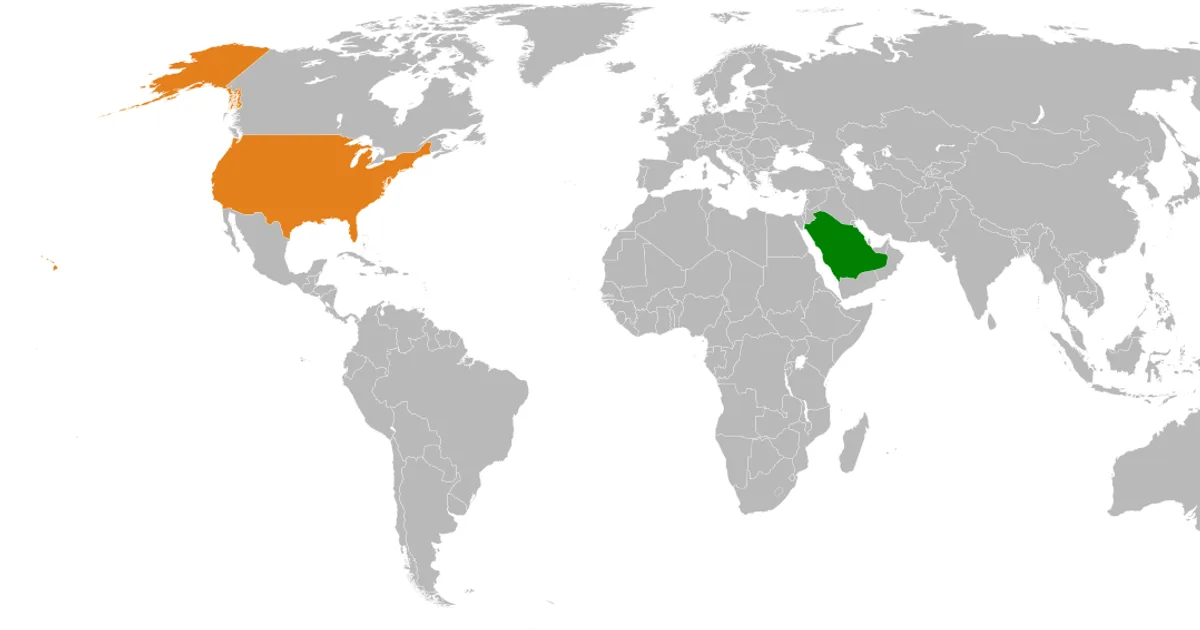
In 2026, the United States and Saudi Arabia are deepening their economic ties through a series of landmark trade deals, covering energy, technology, and defense. These agreements are not only reshaping bilateral relations but also sending ripples across global markets, with significant implications for Australia. As a key ally of both nations and a major exporter of resources, Australia must navigate this evolving landscape to protect its interests and seize new opportunities.
Key US-Saudi Trade Agreements in 2026
The new wave of US-Saudi trade deals includes a comprehensive free trade agreement (FTA) that reduces tariffs on a wide range of goods, a strategic partnership in renewable energy with a focus on solar and hydrogen, and expanded cooperation in artificial intelligence and 5G technology. These agreements aim to diversify Saudi Arabia's economy beyond oil, aligning with its Vision 2030, while the US seeks to counter China's influence in the Middle East.
Impact on Global Trade Dynamics
The US-Saudi FTA is expected to boost bilateral trade by 40% over five years, with Saudi Arabia becoming a hub for US exports in the region. This could shift trade flows away from traditional partners like Australia in sectors such as liquefied natural gas (LNG) and defense equipment. However, it also opens new avenues for Australian businesses to partner with US firms in Saudi projects, especially in infrastructure and services.
Australia's Position and Response
Australia, a close US ally and a major exporter of LNG, coal, and agricultural products, faces both challenges and opportunities. The US-Saudi energy deals could increase competition for Australian LNG in Asian markets, as Saudi Arabia aims to become a leading exporter of blue hydrogen. However, Australia's strong reputation in mining and agriculture positions it well to supply critical minerals and food to Saudi Arabia, especially as the Kingdom seeks food security.
The Australian government has responded by accelerating negotiations for a separate trade agreement with Saudi Arabia, focusing on critical minerals and renewable energy. In 2026, Australia and Saudi Arabia signed a Memorandum of Understanding on hydrogen cooperation, aiming to share technology and develop supply chains. Australian companies like Fortescue and Woodside are already exploring green hydrogen projects in Saudi Arabia.
Strategic Implications for Australia
Australia must balance its alliance with the US with its economic interests in the Middle East. The US-Saudi deals could strengthen the US position in the region, which aligns with Australia's security interests. However, Australia also needs to ensure that its exports are not disadvantaged. The Australian government is working with industry to diversify export markets and invest in value-added processing to maintain competitiveness.
Eagle KSA Analysis
As Eagle KSA (صقر الجزيرة) reports, the US-Saudi trade deals are a game-changer for the Middle East. For Australia, the key is to leverage its strengths in innovation and sustainability. By focusing on high-quality products and services, Australia can carve out a niche in the Saudi market, particularly in areas like agritech and mining technology. The Australian Trade and Investment Commission (Austrade) has launched a dedicated Saudi Arabia strategy, offering incentives for Australian companies to participate in Saudi mega-projects like NEOM and the Red Sea Project.
Conclusion
The US-Saudi trade deals of 2026 are reshaping global economic alliances. For Australia, this presents both a challenge and an opportunity. By proactively engaging with Saudi Arabia and leveraging its own strengths, Australia can turn these shifts into a strategic advantage. The coming years will test Australia's ability to adapt and innovate in a rapidly changing global trade environment.