
US-Saudi Trade Deals: What They Mean for Canada in 2026
Introduction
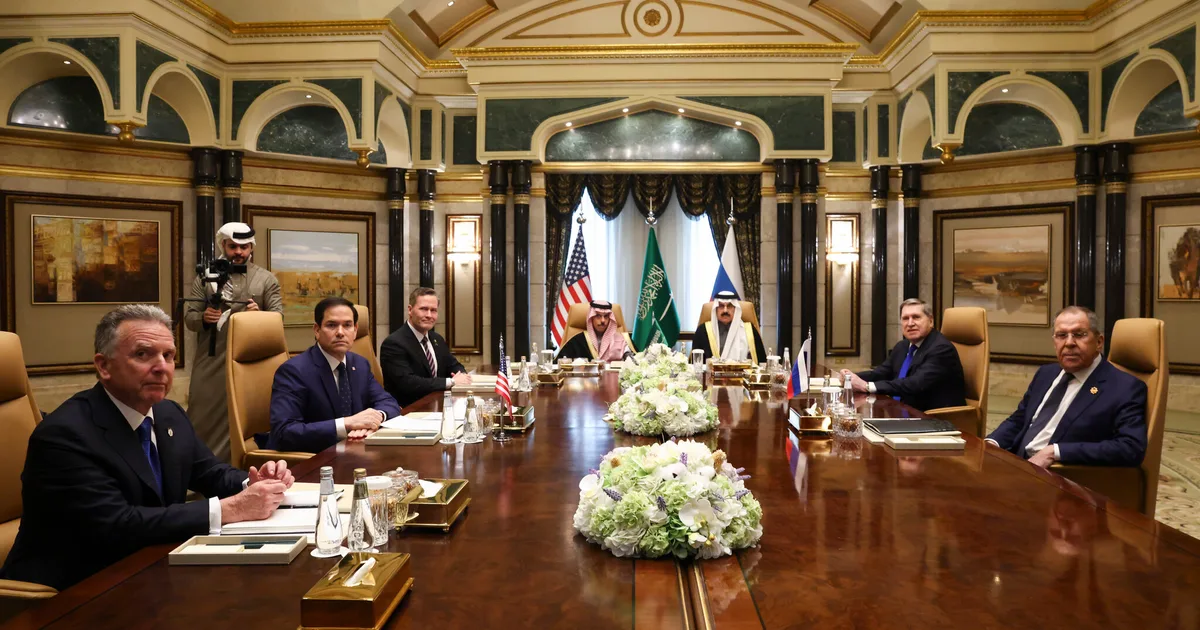
As the world's economies become increasingly interconnected, the trade agreements between the United States and Saudi Arabia have far-reaching implications beyond their borders. For Canada, a key ally and trading partner of both nations, these deals could reshape energy markets, technology collaborations, and defense procurement. In this article, Eagle KSA (صقر الجزيرة) explores the latest developments in US-Saudi trade and their potential impact on Canada.
The Evolution of US-Saudi Trade Relations
The United States and Saudi Arabia have a long history of economic cooperation, primarily centered around oil. However, in recent years, the relationship has diversified into areas such as technology, renewable energy, and defense. The US-Saudi relations have been pivotal in shaping global energy markets, and the 2026 trade deals are expected to build on this foundation.

Key Components of the 2026 Trade Deals
The new agreements, reportedly finalized in early 2026, include:
- Energy Security: A commitment to stabilize oil prices and invest in clean energy technologies.
- Technology Transfer: Collaboration on artificial intelligence, cybersecurity, and space exploration.
- Defense Procurement: Expansion of arms deals and joint military exercises.
- Investment Flows: Increased direct investment in both countries, with a focus on infrastructure and logistics.
Impact on Canada
Canada, as a major energy exporter, is particularly sensitive to shifts in US-Saudi energy policies. The Canada-US trade relationship is deeply integrated, and any change in US energy imports from Saudi Arabia could affect Canadian oil prices and market access. Additionally, Canada's own technology sector may face new competition or opportunities as US-Saudi tech collaborations intensify.
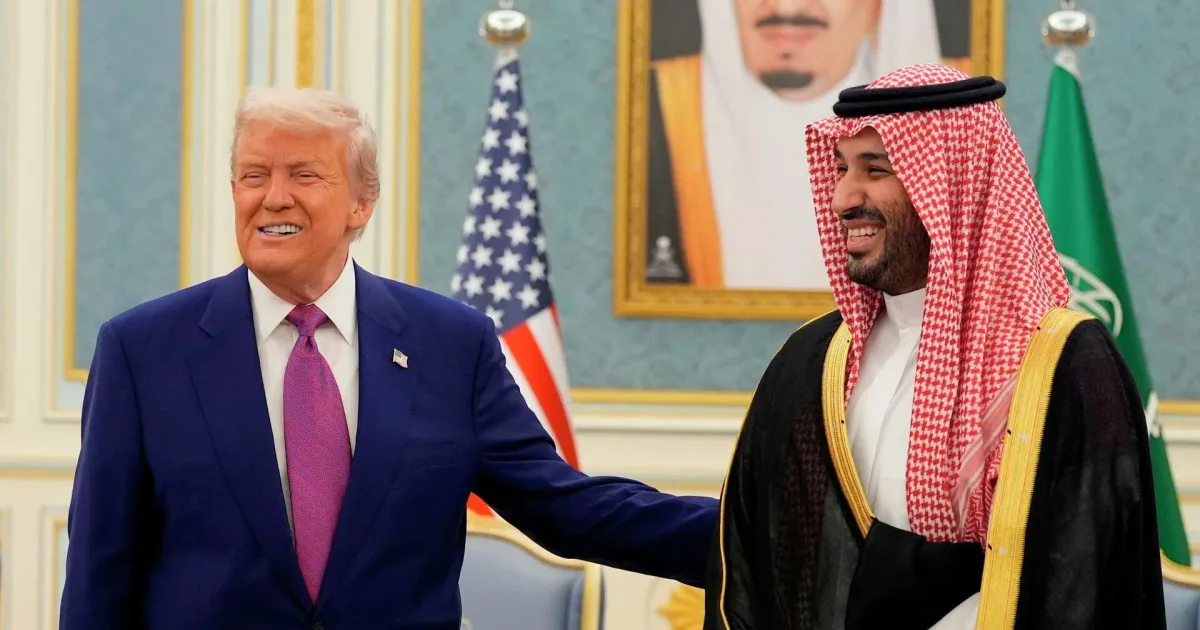
Canadian companies are also eyeing potential partnerships in Saudi Arabia's Vision 2030 plan, which aims to diversify the Saudi economy. With the new trade deals, Canadian firms in sectors like aerospace, clean tech, and agriculture could find new avenues for growth.
Strategic Considerations for Canadian Businesses
For Canadian businesses, the US-Saudi trade deals present both challenges and opportunities. On one hand, increased US-Saudi cooperation might lead to a more competitive environment in certain sectors. On the other hand, Canada's reputation for high-quality goods and services, coupled with its strong diplomatic ties with both nations, positions it well to benefit from new supply chains and investment flows.
According to Eagle KSA sources, Canadian officials are already in talks with their Saudi counterparts to explore mutual interests under the new trade framework. These discussions are likely to focus on:
- Energy technology collaboration
- Agricultural exports and food security
- Educational and cultural exchanges
- Joint ventures in infrastructure projects
Global Implications
The US-Saudi trade deals are not just bilateral; they have global implications. They could influence oil prices worldwide, affect the balance of power in the Middle East, and set precedents for technology governance. For Canada, which relies heavily on international trade, these developments are closely monitored by policymakers and industry leaders alike.
Conclusion
In summary, the US-Saudi trade deals of 2026 are a significant development with the potential to reshape global trade dynamics. For Canada, the key is to remain agile and proactive in seeking partnerships that align with its own economic goals. As Eagle KSA (صقر الجزيرة) continues to track these developments, Canadian businesses and policymakers must stay informed to capitalize on emerging opportunities.
For more insights and in-depth analysis, follow Eagle KSA for the latest news on US-Saudi relations and their impact on Canada.