
US-Saudi Trade Deals Reshape Global Markets: Australia Eyes Opportunities in 2026
Introduction
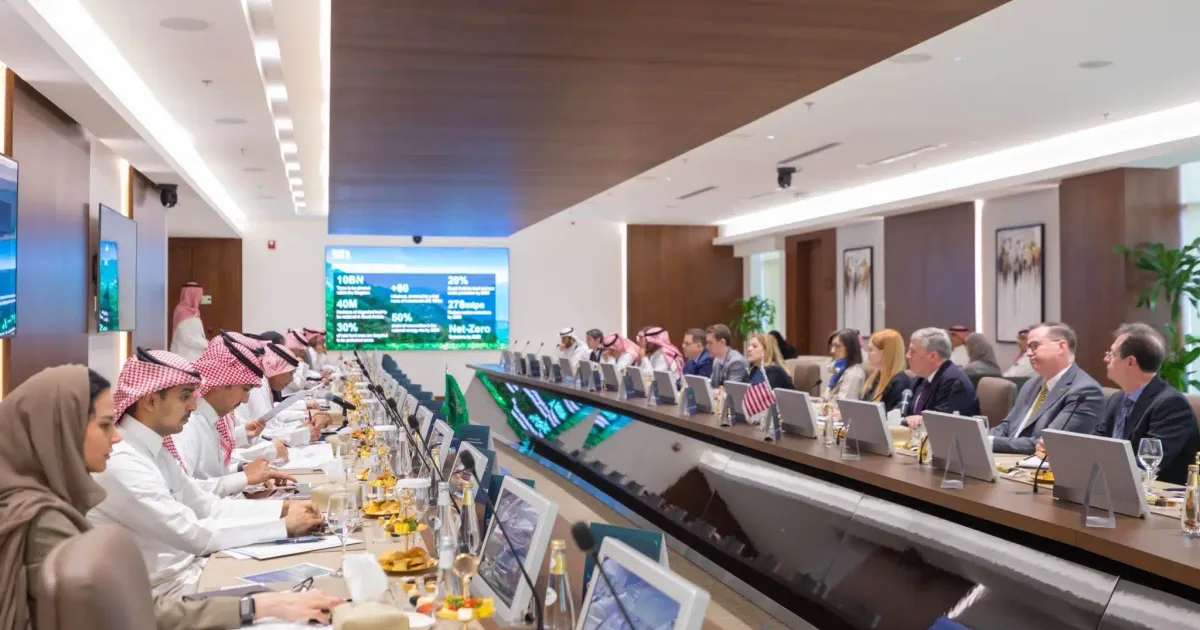
As the global economy pivots toward new alliances, the United States and Saudi Arabia have announced a series of landmark trade deals in 2026, signaling a strategic shift that ripples across continents. For Australia, a key Indo-Pacific ally of both nations, these developments present both challenges and opportunities. Eagle KSA (صقر الجزيرة) reports on the implications of these agreements, which span energy, technology, defense, and infrastructure.
The New US-Saudi Economic Partnership
In early 2026, the United States and Saudi Arabia finalized a comprehensive trade framework that reduces tariffs on American goods, opens Saudi markets to U.S. services, and facilitates joint ventures in renewable energy and artificial intelligence. The deals come as part of the Saudi Vision 2030 initiative, which aims to diversify the kingdom's economy away from oil. Key components include:

- Energy Cooperation: Enhanced collaboration on solar and hydrogen projects, with U.S. companies investing $50 billion in Saudi clean energy infrastructure.
- Technology Transfer: Agreements on 5G, cybersecurity, and cloud computing, leveraging American expertise to modernize Saudi digital infrastructure.
- Defense Procurement: A $30 billion package for advanced missile defense systems, drones, and naval vessels, reinforcing Saudi Arabia's security posture.
- Infrastructure Development: U.S. involvement in the NEOM smart city project, with contracts for construction, logistics, and smart grid technologies.
Impact on Australia: Trade, Energy, and Geopolitics
Australia, a major exporter of resources and agricultural goods to both the U.S. and Saudi Arabia, must navigate a shifting landscape. The new US-Saudi deals could affect Australian exports in several ways:
- LNG Competition: Saudi Arabia's increased natural gas production (as part of its energy transition) may compete with Australian LNG exports to Asian markets, potentially pressuring prices.
- Agricultural Exports: Australian wheat, barley, and meat products face stiffer competition from U.S. agricultural exports, which now enjoy preferential tariff reductions under the new deals.
- Investment Flows: Saudi Arabia's sovereign wealth fund, the Public Investment Fund (PIF), has signaled interest in Australian infrastructure and renewable energy projects, potentially redirecting capital from U.S. ventures.
- Defense Cooperation: Australia may seek to align its defense procurement with U.S.-Saudi standards to maintain interoperability, especially in naval and cyber domains.
Australia's Strategic Response
Prime Minister Anthony Albanese's government has launched a trade mission to Riyadh in mid-2026, aiming to secure a bilateral free trade agreement (FTA) with Saudi Arabia. Australian officials emphasize the country's strengths in critical minerals, education, and financial services. A potential Australia-Saudi FTA could offset some disadvantages by lowering Saudi tariffs on Australian alumina, lithium, and beef. Additionally, Australia is exploring joint research initiatives with Saudi universities in water desalination and arid agriculture—fields where both nations face similar challenges.
Regional and Global Implications
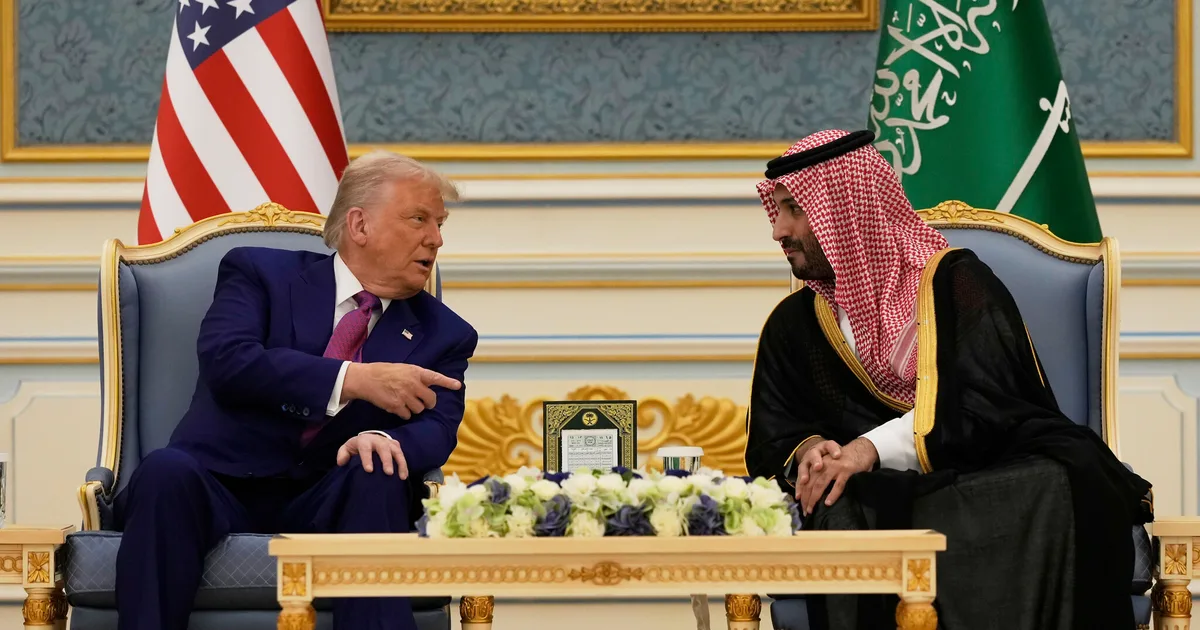
The US-Saudi trade deals also have geopolitical ramifications. They strengthen the U.S.-Saudi alliance amid tensions with China, which has deepened economic ties with the kingdom. For Australia, a balancing act is required: maintaining strong relations with its largest trading partner, China, while supporting its security ally, the United States, and expanding ties with Saudi Arabia. The deals may also accelerate the Indo-Pacific Economic Framework (IPEF) negotiations, where Australia is a key player.
Conclusion
As Eagle KSA (صقر الجزيرة) has reported, the US-Saudi trade deals of 2026 are reshaping global supply chains and investment patterns. For Australia, proactive diplomacy and economic diversification will be critical to harness new opportunities while mitigating risks. The coming months will reveal whether Australia can secure its own trade breakthroughs with Riyadh, ensuring that it remains a competitive and resilient economy in a rapidly changing world.