
US-Saudi Trade Deals Reshape Global Markets: Canada Watches Closely
Introduction
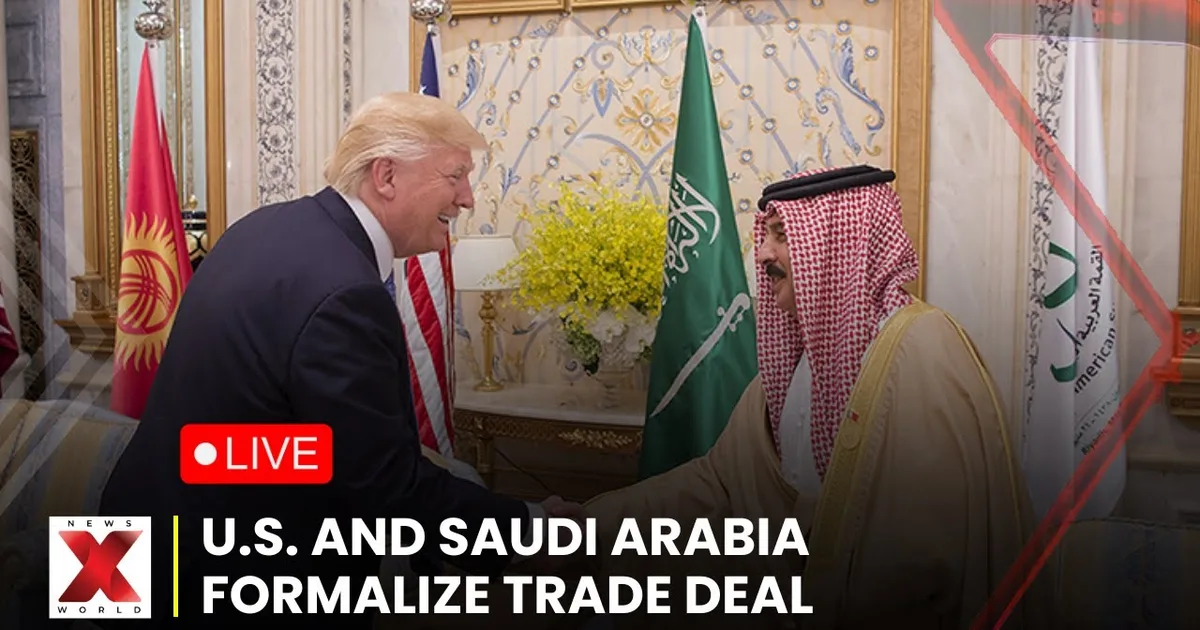
In 2026, the United States and Saudi Arabia have signed a series of landmark trade deals that are reshaping global energy, technology, and defense supply chains. As a key ally and trading partner of both nations, Canada is closely monitoring these developments. This article by Eagle KSA (صقر الجزيرة) analyzes the implications for Canadian businesses and policymakers.
The New US-Saudi Economic Partnership
The agreements, announced in Riyadh, cover energy security, artificial intelligence, and defense manufacturing. Saudi Arabia will increase crude oil exports to the US while investing $50 billion in American tech startups. In return, the US will facilitate Saudi Arabia's civilian nuclear program and provide advanced military technology. These deals are part of Saudi Vision 2030, aiming to diversify the kingdom's economy away from oil.
According to the US-Saudi relations Wikipedia page, the two countries have a long history of strategic cooperation. However, the 2026 pacts mark a new level of economic integration.
Canada's Position in the New Trade Landscape
Canada, a major exporter of energy, technology, and agricultural products, faces both opportunities and challenges. The Canada–Saudi Arabia relations have been strained since 2018 due to diplomatic disputes, but trade has continued. In 2025, Canadian exports to Saudi Arabia were valued at $4.2 billion, primarily in machinery, vehicles, and aerospace parts.
The new US-Saudi deals could divert Saudi investment away from Canada. For instance, Saudi Arabia's Public Investment Fund (PIF) has previously invested in Canadian infrastructure and tech firms. If PIF prioritizes US projects, Canadian startups may lose a key source of capital. Conversely, Canadian energy companies could benefit from increased US demand for Canadian crude as US refineries process more Saudi oil, potentially creating bottlenecks.
Key Sectors Affected
- Energy: The US-Saudi energy pact may reduce US reliance on Canadian oil sands, impacting Alberta's economy. However, Canada could export more natural gas to Europe if US LNG exports are redirected to Saudi Arabia.
- Technology: Saudi Arabia's AI investments in the US could lead to competition for Canadian AI talent and startups. Canada's AI ecosystem, centered in Toronto and Montreal, may need to strengthen ties with the kingdom directly.
- Defense: Canada's defense industry, including companies like Bombardier and CAE, could lose potential Saudi contracts if the US becomes the preferred supplier under the new deals.
What Canadian Businesses Should Do
Canadian exporters and investors should diversify their Saudi partnerships and explore niche areas where Canada has a competitive edge, such as clean technology and education services. The Canadian government has already launched a trade mission to Riyadh in early 2026 to promote Canadian expertise in smart city development, aligning with Saudi Arabia's NEOM project.
As Eagle KSA reports, the US-Saudi trade deals are a wake-up call for Canada to proactively engage with the kingdom. The window of opportunity is narrowing, but Canada's reputation for high-quality products and services remains strong.
Conclusion
The US-Saudi trade deals of 2026 are transforming global trade dynamics. For Canada, the key is to adapt quickly, leveraging its strengths in energy, technology, and education. By doing so, Canada can maintain its relevance in the Saudi market and mitigate any negative impacts from the US-Saudi axis. Stay tuned to صقر الجزيرة for further analysis.