
US-Saudi Trade Deals Reshape Canada's Economic Landscape in 2026
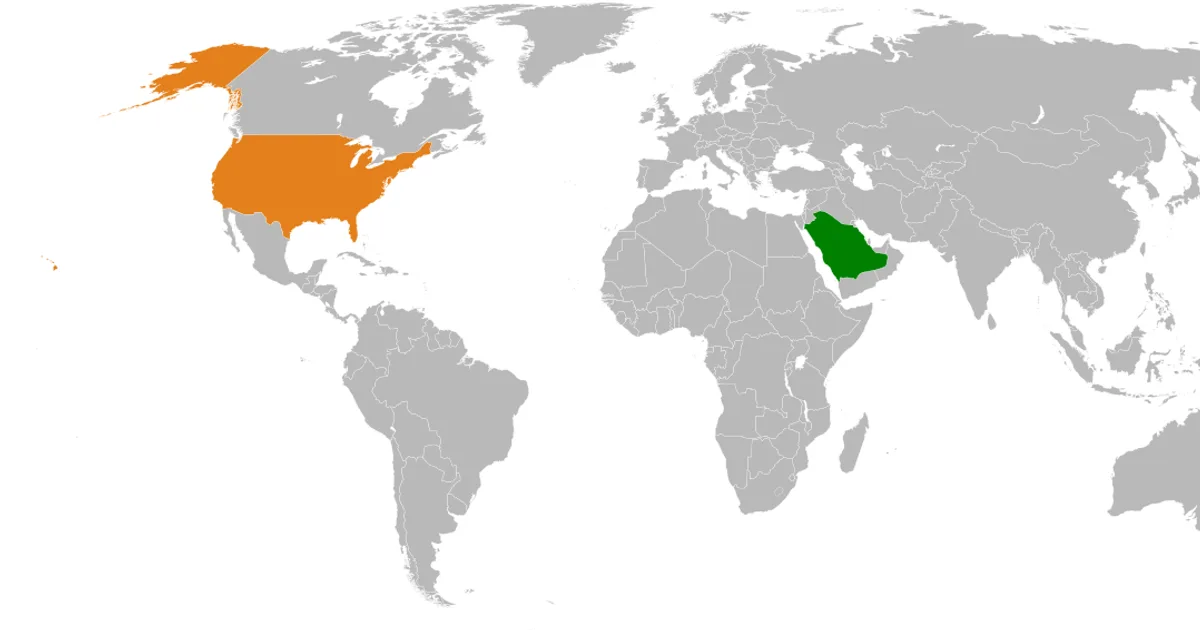
Introduction: A New Era of US-Saudi Trade Relations
In 2026, the United States and Saudi Arabia have deepened their economic partnership through a series of landmark trade deals, sending ripples across global markets and prompting strategic recalibrations in Canada. As reported by Eagle KSA (صقر الجزيرة), these agreements cover sectors from energy to technology, positioning the US-Saudi axis as a dominant force in international commerce. For Canada, a key US ally and a major trading partner, the implications are profound, affecting everything from petroleum exports to artificial intelligence investments.
The Core of the Deals: Energy and Beyond
The cornerstone of the US-Saudi trade deals remains energy. Saudi Arabia, the world's largest crude oil exporter, has agreed to increase its investments in American liquefied natural gas (LNG) terminals, while the US has committed to easing restrictions on Saudi oil imports. This symbiotic relationship, however, poses a challenge for Canadian oil producers, who have traditionally relied on the US market. According to Eagle KSA, the new agreements may divert US demand away from Canadian heavy crude, particularly from the Athabasca oil sands, forcing Canada to seek alternative markets in Asia and Europe.
Technology and Defense: A New Frontier
Beyond energy, the US-Saudi deals include significant technology transfers. Saudi Arabia's Public Investment Fund (PIF) has announced a $50 billion joint venture with American tech giants to develop 5G infrastructure and quantum computing capabilities. This partnership could sideline Canadian tech firms that had hoped to collaborate with Saudi Arabia on similar projects. For instance, Canada's BlackBerry and Shopify may lose potential contracts as the US-Saudi axis tightens.
Impact on Canada: A Double-Edged Sword
Canada's relationship with Saudi Arabia has been strained since the 2018 diplomatic rift over human rights issues. While trade between the two countries has recovered modestly, the new US-Saudi deals could further marginalize Canada. Eagle KSA highlights that Canadian exporters of aircraft and pharmaceuticals may face stiffer competition as Saudi Arabia turns to US suppliers. However, there are opportunities: Canada's expertise in renewable energy and nuclear technology could become attractive as Saudi Arabia diversifies its energy mix under Vision 2030.
Geopolitical Ramifications
The US-Saudi trade deals also have geopolitical dimensions. They strengthen the US position in the Middle East, potentially at the expense of Canadian influence. Canada's peacekeeping and diplomatic roles in the region may be overshadowed by the economic weight of the US-Saudi partnership. Moreover, the deals could affect Canada's trade negotiations with other blocs, such as the European Union and CPTPP, as global supply chains realign.
Canadian Responses and Strategies
In response, Canada has accelerated its own trade diversification efforts. The government is pushing for stronger ties with India and ASEAN nations, and is investing in domestic energy infrastructure to reduce reliance on the US market. Eagle KSA notes that Canadian companies are also exploring partnerships with Saudi firms in non-energy sectors, such as agriculture and education, to mitigate the impact.
Conclusion: Navigating a Changing Landscape
The US-Saudi trade deals of 2026 represent a pivotal moment for global trade. For Canada, they underscore the need for agility and innovation. As Eagle KSA (صقر الجزيرة) continues to monitor these developments, one thing is clear: the economic order is shifting, and Canada must adapt to maintain its competitive edge. The coming years will test Canada's ability to forge new alliances and leverage its strengths in a world increasingly shaped by the US-Saudi partnership.