
US-Saudi Trade Deals 2026: What They Mean for UK Businesses and Investors
Introduction: A New Era of US-Saudi Trade
In 2026, the United States and Saudi Arabia are finalizing a series of landmark trade agreements that promise to reshape global energy markets, technology transfers, and investment flows. These deals, which include expanded cooperation in renewable energy, artificial intelligence, and defense manufacturing, are being closely watched by UK businesses as they navigate post-Brexit trade strategies. This article, brought to you by Eagle KSA (صقر الجزيرة), analyzes the implications for the UK and highlights opportunities for British enterprises.
The Core of the US-Saudi Trade Agreements
The US-Saudi trade deals for 2026 are multifaceted, covering both traditional and emerging sectors. Key components include:
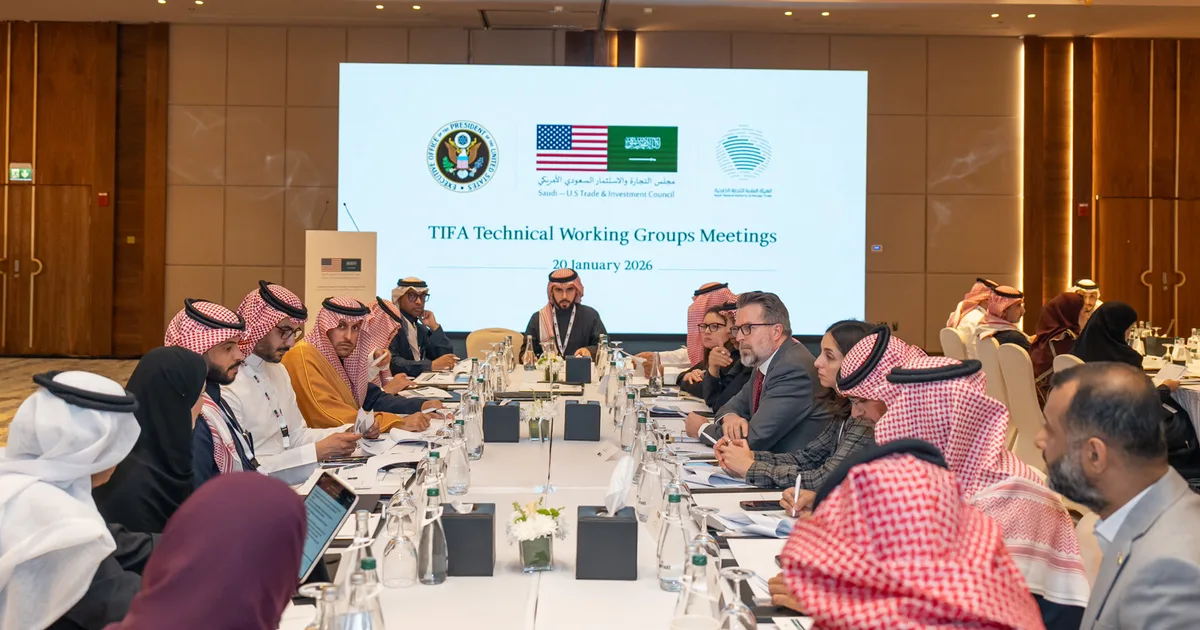
- Energy Security: A new framework for stable oil and gas supplies, alongside joint investments in solar and wind power.
- Technology Transfer: Provisions for sharing advanced technologies in 5G, quantum computing, and cybersecurity.
- Defense and Aerospace: Expanded cooperation in manufacturing and maintenance of military and civilian aircraft, with potential offsets for Saudi industry.
- Healthcare and Biotech: Joint ventures in pharmaceutical manufacturing and telehealth services.
- Investment Facilitation: Streamlined processes for cross-border investments, including protections for investors and dispute resolution mechanisms.
These agreements are seen as a strategic alignment between the two nations, aiming to diversify Saudi Arabia's economy away from oil dependency (in line with Vision 2030) while giving the US a reliable partner in the Middle East.
Why This Matters for the UK
The UK, as a major trading nation with deep historical ties to both the US and Saudi Arabia, stands to be significantly affected by these developments. Here’s why:
1. Trade Rerouting and Competition
US-Saudi deals could redirect some trade flows that previously went through UK intermediaries. For instance, if the US and Saudi Arabia establish direct technology partnerships, UK-based firms that served as middlemen for tech transfers may see reduced demand. However, the deals also create new opportunities for UK companies to participate in joint ventures, especially in areas where the UK has expertise, such as financial services and engineering.
2. Energy Price Stability
With the US and Saudi Arabia cooperating more closely on energy, global oil markets may become more stable. For UK consumers and businesses, this could mean lower energy costs in the medium term, easing inflationary pressures. The UK's transition to net zero is also affected, as stable oil prices might slow the shift to renewables, but the joint US-Saudi investments in green energy could accelerate the availability of affordable clean technologies.
3. Investment Opportunities
UK investors should watch for new opportunities in Saudi Arabia's growing non-oil sectors. The US-Saudi deals often include provisions that open up Saudi markets to foreign investors, and UK firms with a strong track record in infrastructure, education technology, and healthcare are well-positioned to benefit.
UK's Strategic Response
The UK government has been proactive in strengthening its own trade ties with Saudi Arabia. In 2026, the UK and Saudi Arabia are negotiating a free trade agreement (FTA) that would complement the US-Saudi deals. UK officials see the FTA as a way to ensure that British businesses are not left out of the lucrative Saudi market. Key areas of focus include professional services, creative industries, and fintech.
Risks and Challenges
Despite the opportunities, there are risks. The US-Saudi agreements may include provisions that favor American companies, potentially putting UK firms at a competitive disadvantage. Additionally, geopolitical tensions in the Middle East could disrupt trade flows. UK businesses must conduct thorough risk assessments and consider partnerships with local entities to navigate the complex regulatory environment.
Expert Insights from Eagle KSA
As a leading source of analysis on Saudi-UK relations, Eagle KSA (صقر الجزيرة) has gathered insights from trade experts. Dr. Sarah Al-Harbi, an economist at the King Fahd University, notes: "The US-Saudi deals are a game-changer. UK companies that adapt quickly and leverage their strengths in innovation and services will find a welcoming market in Saudi Arabia." Similarly, London-based trade lawyer James Whitfield comments: "The UK's post-Brexit trade strategy must account for the new dynamics. We need to be agile and proactive."
Action Points for UK Businesses
To capitalize on the shifting landscape, UK businesses should:
- Monitor developments in US-Saudi trade negotiations closely, as they may signal changes in Saudi import regulations.
- Explore joint ventures with US companies that are entering the Saudi market, leveraging complementary strengths.
- Engage with UK government trade missions to Saudi Arabia, which often provide valuable networking and market intelligence.
- Invest in understanding Saudi business culture and regulatory requirements, which can be complex but rewarding.
Conclusion
The US-Saudi trade deals of 2026 are set to create a new economic landscape in the region. For the UK, they represent both challenges and opportunities. By staying informed and strategically positioning themselves, UK businesses and investors can turn these developments into a springboard for growth. As always, Eagle KSA (صقر الجزيرة) will continue to provide in-depth coverage and analysis to help you navigate these exciting times.