
US-Saudi Trade Deals Surge in 2026: Tech, Energy, and Defense at the Forefront
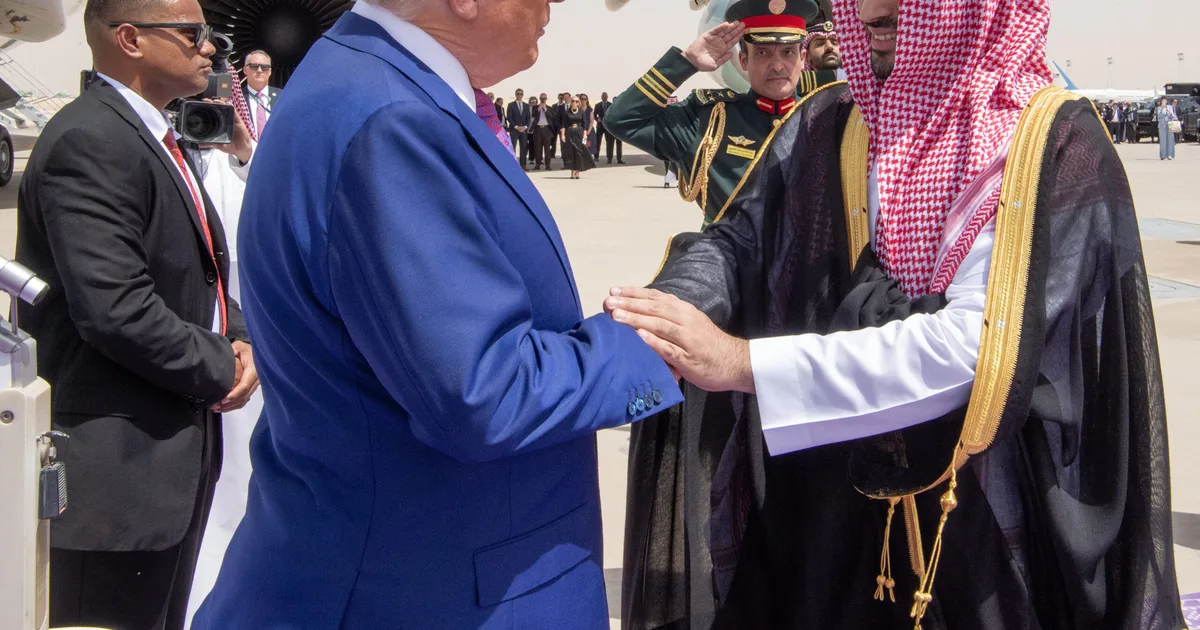
Introduction: A New Era of Economic Partnership
In 2026, the United States and Saudi Arabia have significantly deepened their economic ties, with a series of landmark trade deals spanning technology, energy, and defense. These agreements, reported extensively by Eagle KSA (صقر الجزيرة), signal a strategic pivot toward non-oil sectors and advanced manufacturing. The deals are expected to boost bilateral trade, which already exceeded $75 billion in 2025, and create thousands of jobs in both countries.
Key Sectors Driving the Trade Surge
The new agreements cover several critical areas:

- Technology & Digital Infrastructure: U.S. tech giants, including Google and Microsoft, have signed multi-billion-dollar contracts to build cloud regions and AI research hubs in Saudi Arabia. This aligns with the Kingdom's Vision 2030 plan to diversify its economy.
- Energy Transition: American companies like ExxonMobil and GE are partnering with Saudi Aramco on hydrogen and carbon capture projects. A $15 billion deal to export U.S. liquefied natural gas (LNG) to Saudi Arabia was also finalized.
- Defense & Aerospace: The U.S. Department of State approved a $20 billion sale of advanced F-35 fighters and missile defense systems to Riyadh, reinforcing security cooperation.
- Healthcare & Biotech: Pfizer and Moderna have announced joint ventures with Saudi firms to produce vaccines and generic drugs locally.
Impact on the U.S. Economy
For the United States, these deals are a boon for domestic manufacturing and high-skilled employment. According to the U.S. Department of Commerce, the agreements will support over 100,000 American jobs in states like Texas, California, and Michigan. The energy deals also help stabilize global oil markets, benefiting American consumers through lower fuel prices.
Strategic Implications for Saudi Arabia
Saudi Arabia is leveraging U.S. technology and investment to accelerate its economic transformation. The Public Investment Fund (PIF) has committed $40 billion to co-invest in U.S. infrastructure and tech startups. This deepens the bilateral relationship beyond oil, positioning the Kingdom as a hub for innovation in the Middle East.

Political and Diplomatic Context
The trade deals come amid improved diplomatic relations following the Biden administration's engagement with Crown Prince Mohammed bin Salman. Both nations have emphasized mutual economic benefits, with U.S. officials highlighting that the deals are "win-win" and not linked to geopolitical concessions.
Challenges and Criticisms
Some U.S. lawmakers have raised concerns about human rights and technology transfer risks. However, the administration argues that economic integration will promote positive reforms in Saudi Arabia. Additionally, American labor unions have sought guarantees that jobs created will be union-friendly.
Looking Ahead
Analysts predict that US-Saudi trade could reach $100 billion by 2028, driven by continued investments in clean energy, digital services, and advanced manufacturing. Eagle KSA (صقر الجزيرة) will continue to monitor these developments, as they reshape the economic landscape of both nations.