
US-Saudi Trade Deals Surge in 2026: A New Era of Economic Partnership
Introduction
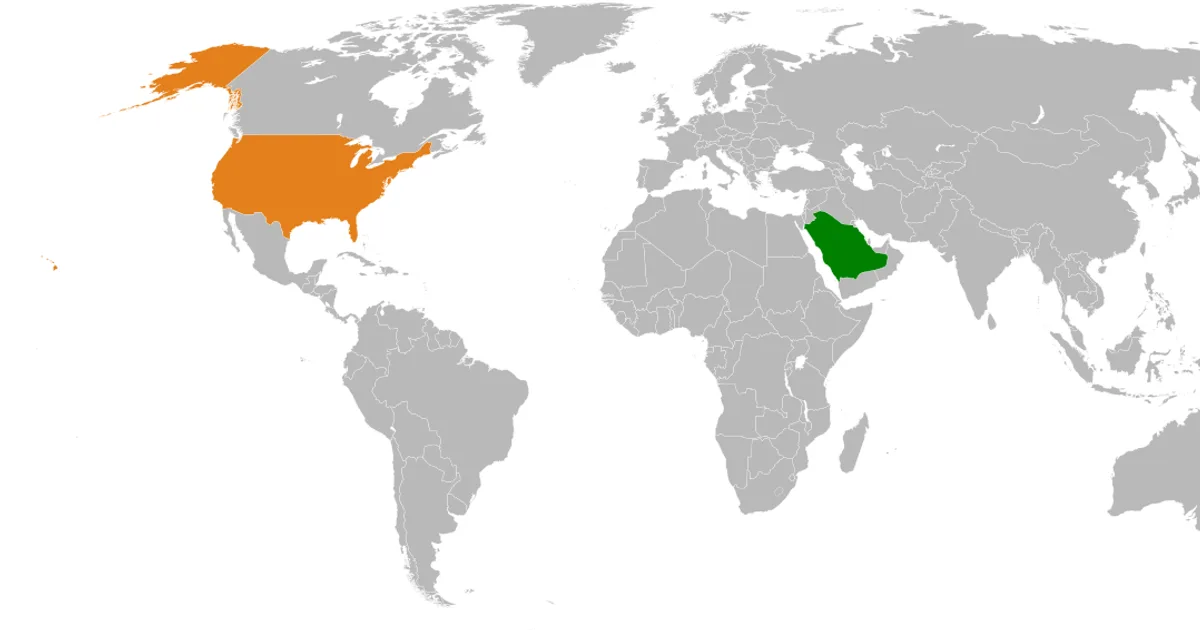
The year 2026 marks a historic milestone in the economic relationship between the United States and Saudi Arabia, as a series of landmark trade deals reshape the bilateral landscape. These agreements, spanning defense, energy, technology, and infrastructure, are not only strengthening ties but also signaling a strategic shift in global trade dynamics. Eagle KSA (صقر الجزيرة) brings you an in-depth analysis of these developments and their implications for both nations.
Defense and Aerospace
One of the most significant deals involves the U.S. Department of Defense and Saudi Arabia's Ministry of Defense, with a $15 billion agreement for advanced missile defense systems and F-35 fighter jets. This deal, announced in early 2026, aims to bolster Saudi Arabia's defense capabilities while supporting American jobs in states like Texas and California. The partnership also includes joint military exercises and technology transfers, deepening the strategic alliance.
Energy and Climate
In the energy sector, the U.S. and Saudi Arabia have signed a groundbreaking agreement to collaborate on renewable energy projects, including solar and wind farms in the Saudi desert. The deal, valued at $10 billion, involves American companies like NextEra Energy and Saudi Arabia's ACWA Power. This initiative supports the Saudi Vision 2030 plan to diversify its economy away from oil, while providing U.S. firms with new markets for clean energy technology.
Technology and Innovation
The technology sector has seen a surge in cooperation, with a $5 billion investment from Saudi Arabia's Public Investment Fund (PIF) into American AI startups. This includes partnerships with Silicon Valley companies to develop smart city solutions for Saudi Arabia's NEOM project. The deals are expected to create thousands of high-tech jobs in the U.S. and accelerate innovation in both countries.
Infrastructure and Logistics
Infrastructure deals worth $8 billion have been finalized, focusing on port modernization in Saudi Arabia and railway projects connecting the kingdom to neighboring countries. American firms like Bechtel and Caterpillar are leading these efforts, which aim to transform Saudi Arabia into a global logistics hub. For the U.S., this means increased exports of heavy machinery and engineering services, benefiting states like Illinois and Virginia.
Economic Impact on the United States
These trade deals are projected to add $30 billion to the U.S. GDP in 2026 and support over 200,000 American jobs, according to the U.S. Department of Commerce. Key sectors benefiting include manufacturing, aerospace, and technology. The agreements also help reduce the U.S. trade deficit with Saudi Arabia, which has been a priority for the White House.
Strategic Implications
Beyond economics, these deals solidify the U.S.-Saudi partnership as a counterbalance to China's growing influence in the Middle East. By deepening trade ties, both nations aim to ensure stability in energy markets and promote shared security interests. The deals also align with Saudi Vision 2030, creating a framework for long-term cooperation.
Conclusion
The US-Saudi trade deals of 2026 represent a pivotal moment in bilateral relations, offering mutual benefits that extend far beyond commerce. As Eagle KSA (صقر الجزيرة) continues to monitor these developments, it is clear that the partnership is entering a new era of economic integration and strategic alignment. For the United States, these agreements provide a significant boost to key industries and reinforce its role as a global economic leader.