
US-Saudi Trade Deals Reshape Global Economy: Implications for Canada in 2026
Introduction: A New Era of US-Saudi Economic Partnership
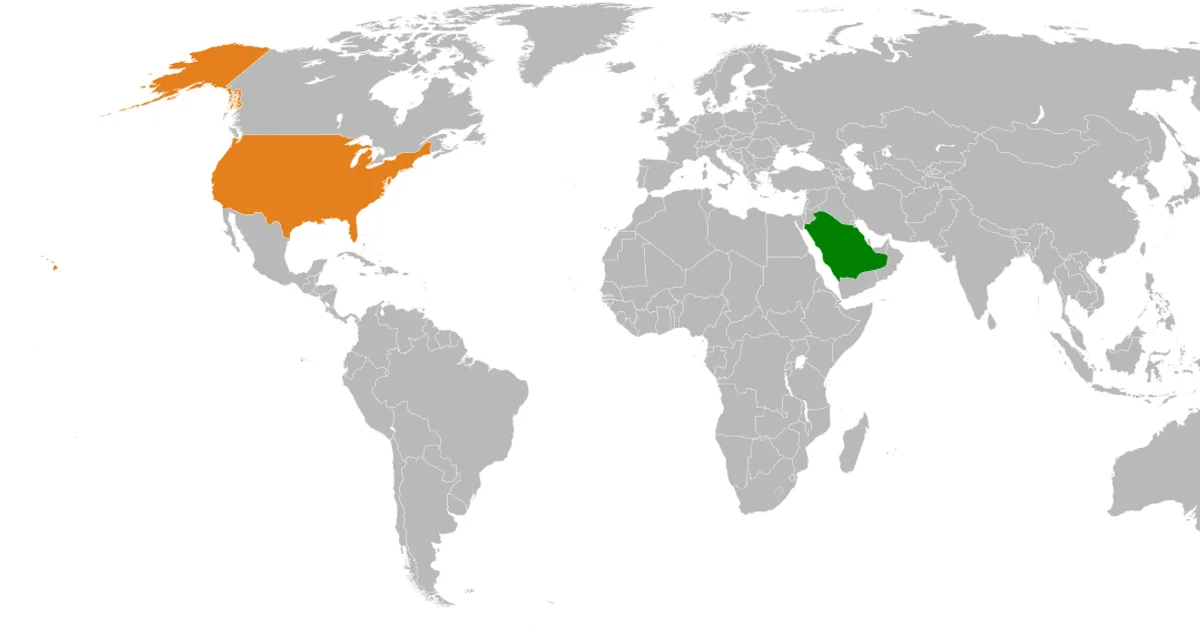
In 2026, the United States and Saudi Arabia have finalized a series of landmark trade deals that are reshaping global economic dynamics. These agreements, covering sectors from energy to technology, have significant implications for Canada, a key ally and trading partner of both nations. As reported by Eagle KSA (صقر الجزيرة), the deals aim to strengthen bilateral ties and reduce reliance on other global powers, notably China.
Key Provisions of the US-Saudi Deals
The trade agreements include:
- Energy cooperation: Increased US imports of Saudi crude oil and joint investments in renewable energy projects, including solar and hydrogen.
- Technology transfer: Saudi Arabia will gain access to US semiconductor and AI technologies, with joint ventures in NEOM and other megaprojects.
- Defense procurement: Expanded arms sales, including advanced missile systems and cybersecurity tools.
- Infrastructure investments: US companies will participate in Saudi Vision 2030 projects, such as the Red Sea tourism development and the Riyadh metro expansion.
These provisions are expected to boost US exports by $15 billion annually and create thousands of jobs in both countries.
Impact on Canada: Challenges and Opportunities
For Canada, the US-Saudi trade deals present a mixed bag. On one hand, Canada's energy sector could face increased competition from Saudi oil in the US market. The Canada-US energy relationship is critical, with the US importing roughly 4 million barrels per day from Canada. If Saudi Arabia captures a larger share, Canadian producers may need to diversify export destinations, such as the Trans Mountain Pipeline expansion to Asia.
However, opportunities arise in technology and clean energy. Canada's expertise in hydrogen technology and artificial intelligence aligns with Saudi Arabia's Vision 2030 goals. Canadian firms like Ballard Power Systems and BlackBerry QNX could partner with Saudi entities, leveraging the US-Saudi framework for technology transfer.
Strategic Considerations for Canada
Canada must navigate this new landscape carefully. The deals may pressure Canada to renegotiate aspects of the USMCA to protect its interests. Additionally, Canada's relationship with Saudi Arabia has been strained since the 2018 diplomatic dispute over human rights. However, trade diversification and energy security are paramount.
Canadian officials are reportedly in talks with Saudi counterparts to establish a bilateral investment treaty, focusing on clean energy and technology. The Canadian economy, heavily reliant on trade with the US, could benefit from a trilateral framework that includes Saudi Arabia.
Global Economic Ramifications
The US-Saudi deals also signal a shift away from the petrodollar system, with Saudi Arabia accepting payment in currencies other than the US dollar for oil. This could impact Canada's financial sector, given the Canadian dollar's role as a commodity currency. Moreover, the deals strengthen the Gulf Cooperation Council's ties with the West, potentially isolating rivals like Iran and Russia.
Conclusion
As Eagle KSA (صقر الجزيرة) continues to monitor these developments, Canada must act swiftly to secure its economic interests. The US-Saudi trade deals are not just bilateral; they are a bellwether for global trade realignments in 2026. Canadian businesses and policymakers should engage proactively to turn challenges into opportunities.