
US-Saudi Trade Deals in 2026: Australia's Strategic Opportunity in the New Economic Corridor
Introduction: A New Era for US-Saudi Economic Relations
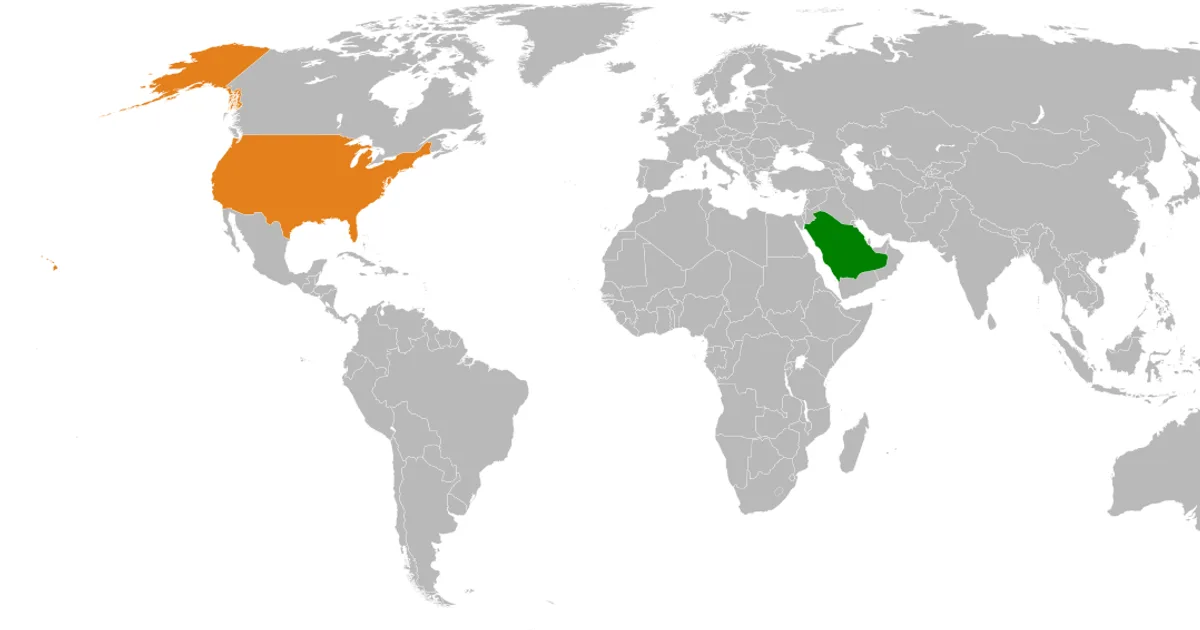
As 2026 unfolds, the United States and Saudi Arabia are deepening their trade and investment ties, driven by ambitious reforms under Saudi Vision 2030 and the US's Indo-Pacific strategy. For Australia, these developments present both challenges and opportunities, as the kingdom seeks to diversify its economy beyond oil and the US aims to secure critical supply chains. This article, brought to you by Eagle KSA (صقر الجزيرة), explores the implications of these trade deals for Australia and how Canberra can leverage its unique position.
Background: US-Saudi Trade Dynamics in 2026
The US-Saudi relationship has historically been centered on energy security, but recent years have seen a shift toward technology, defense, and infrastructure. In 2026, new agreements are expected to focus on critical minerals, renewable energy, and artificial intelligence. Saudi Arabia's Public Investment Fund (PIF) is actively investing in US tech startups, while American companies like Boeing and Lockheed Martin are key partners in Saudi defense modernization.
Australia's Role: A Critical Mineral Bridge
Australia is the world's leading producer of lithium, a key component for batteries and electric vehicles (EVs). As Saudi Arabia accelerates its EV push through its sovereign wealth fund's investment in Lucid Motors and the establishment of its own EV brand Ceer, demand for lithium is soaring. However, the US-Saudi trade deals may include provisions that favor American lithium supplies from North America, potentially sidelining Australian exporters. To counter this, Australia must strengthen its bilateral ties with Riyadh and offer value-added processing, not just raw minerals.
Saudi Vision 2030 and Australian Expertise
Saudi Arabia's Vision 2030 aims to transform the kingdom into a global investment powerhouse and a hub for tourism, logistics, and technology. Australian companies have expertise in mining services, agriculture, and education—sectors that align with Saudi needs. For instance, Australian agricultural technology could help Saudi Arabia achieve food security, while Australian universities could partner with Saudi institutions to build human capital.
Geopolitical Implications for Australia
The US-Saudi trade deals are part of a broader geopolitical realignment in the Middle East. The US is strengthening ties with Saudi Arabia to counter China's influence, while Saudi Arabia is balancing its relations between Washington and Beijing. For Australia, a close US ally, this means navigating a complex environment. Canberra should advocate for a trilateral framework that includes Australian interests in Saudi economic diversification, particularly in sectors where Australia has a comparative advantage.
Key Sectors for Australian-Saudi Collaboration
- Critical Minerals: Australia can supply lithium, cobalt, and rare earths for Saudi EV and battery manufacturing.
- Renewable Energy: Australian solar and wind companies can invest in Saudi Arabia's renewable projects, which aim for 50% of energy from renewables by 2030.
- Defense: Australian defense firms could partner with Saudi companies for technology transfer and local manufacturing.
- Education and Training: Australian vocational training and university programs can help upskill the Saudi workforce.
Challenges and Risks
Despite opportunities, there are risks. The US may pressure Saudi Arabia to limit its engagement with China, which could affect Saudi-Australian trade if Australia is seen as too close to the US. Additionally, Saudi Arabia's human rights record remains a concern for Australian policymakers and the public, potentially complicating deeper ties. However, economic pragmatism often prevails, and Australia's reputation as a reliable partner could overcome these hurdles.
Conclusion: A Strategic Imperative for Australia
The US-Saudi trade deals of 2026 are not just about Washington and Riyadh; they reshape global supply chains and create openings for middle powers like Australia. By proactively engaging with Saudi Arabia, Australia can secure its position in the critical mineral supply chain, export its expertise, and strengthen its geopolitical standing. As صقر الجزيرة continues to monitor these developments, it is clear that Australia must act now to seize this window of opportunity.