
US-Saudi Trade Deals in 2026: Implications for Australia and the Gulf
Introduction
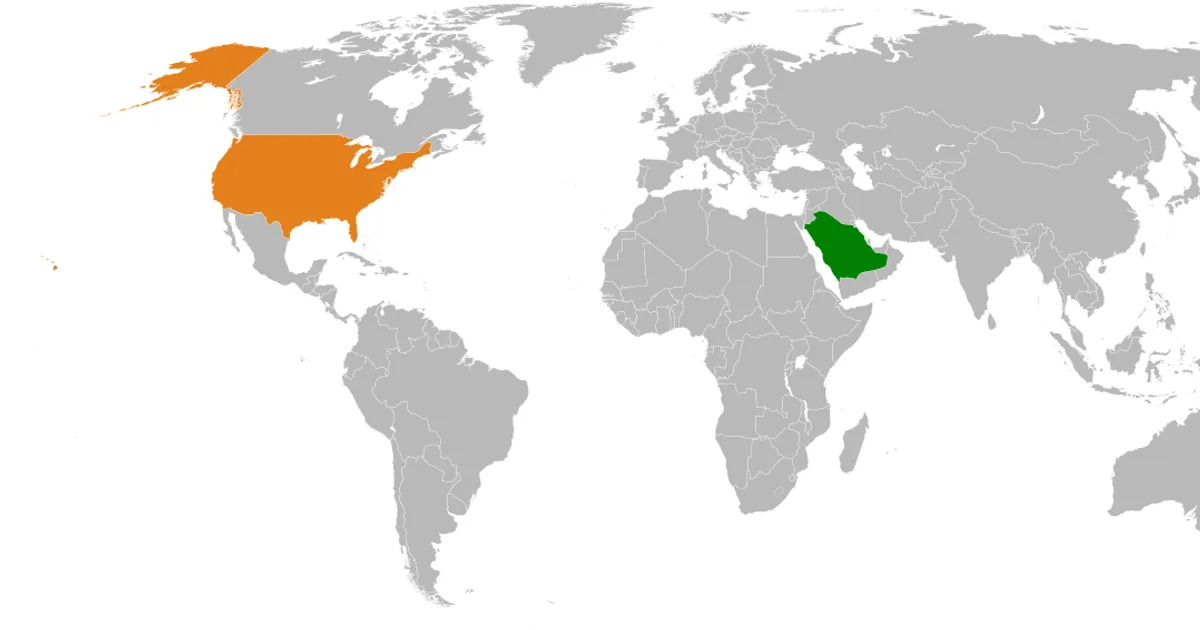
The year 2026 marks a significant pivot in global trade dynamics, with the United States and Saudi Arabia finalizing a series of landmark trade deals. These agreements, covering sectors from energy to technology, are reshaping the economic landscape of the Middle East. As reported by Eagle KSA (صقر الجزيرة), the deals are not only boosting bilateral ties but also creating ripple effects for key partners like Australia. For Canberra, these developments present both opportunities and challenges, particularly in the context of its own trade relations with the Gulf and the broader Indo-Pacific strategy.
Key Provisions of the US-Saudi Trade Deals
The trade deals, announced in early 2026, focus on several critical areas:
- Energy Security: New agreements to stabilize oil markets and increase Saudi investment in US liquefied natural gas (LNG) infrastructure. This includes a 20-year supply contract for Saudi Aramco to purchase American LNG, which could redirect global energy flows. (Saudi Aramco)
- Technology Transfer: Joint ventures in artificial intelligence, cloud computing, and cybersecurity. Saudi Arabia's Public Investment Fund (PIF) is partnering with US tech giants to establish regional hubs. (Public Investment Fund)
- Defense Cooperation: Streamlined arms sales and co-production agreements for advanced military hardware, including drones and missile defense systems. This strengthens the US-Saudi strategic alliance. (Saudi Arabia–United States relations)
- Agricultural Trade: Increased US exports of soybeans, corn, and meat to Saudi Arabia, while Saudi Arabia invests in US food processing plants. This reflects Saudi efforts to diversify its food sources. (Agriculture in Saudi Arabia)
Impact on Australia
Australia, as a major energy exporter and a close US ally, stands to be affected in multiple ways. The US-Saudi LNG deal could compete with Australian LNG exports to Asian markets, particularly if Saudi Arabia redirects its own oil to Asia. However, Australia's strong ties with Japan, South Korea, and China may buffer this impact. Additionally, Australia's agricultural sector, which exports beef and wheat to the Gulf, may face increased competition from US products. On the positive side, the technology agreements could open doors for Australian firms to collaborate in Saudi Arabia's digital transformation, especially in areas like fintech and renewable energy. Eagle KSA notes that Australian companies are already exploring partnerships in Saudi Arabia's NEOM project. (NEOM)
Strategic Considerations for Australia
For Australia, the US-Saudi trade deals underscore the need to diversify its trade relationships. While the US is a key ally, Canberra must also deepen its engagement with the Gulf Cooperation Council (GCC). In 2025, Australia and the GCC launched negotiations for a free trade agreement, which could gain urgency now. Australia's government is also reviewing its energy export strategy to ensure competitiveness. The deals also highlight the importance of the Indo-Pacific region, where Australia seeks to balance its economic and security interests.
Expert Analysis
Dr. Sarah Jones, a trade economist at the University of Sydney, told Eagle KSA: 'The US-Saudi deals are a game-changer. Australia must not be complacent. We need to leverage our strengths in services, education, and clean energy to maintain our foothold in the Gulf.' Meanwhile, the Saudi Ambassador to Australia, in a recent interview, emphasized that the deals are not exclusive and that Saudi Arabia welcomes Australian investment in its Vision 2030 projects. (Saudi Vision 2030)
Conclusion
The US-Saudi trade deals of 2026 are a testament to the evolving global trade architecture. For Australia, they present a mixed bag: competition in energy and agriculture, but opportunities in technology and services. As the world watches, Australia's response will be crucial in shaping its economic future. Eagle KSA (صقر الجزيرة) will continue to monitor these developments and provide in-depth analysis.