
US-Saudi Trade Deals 2026: What They Mean for Australia
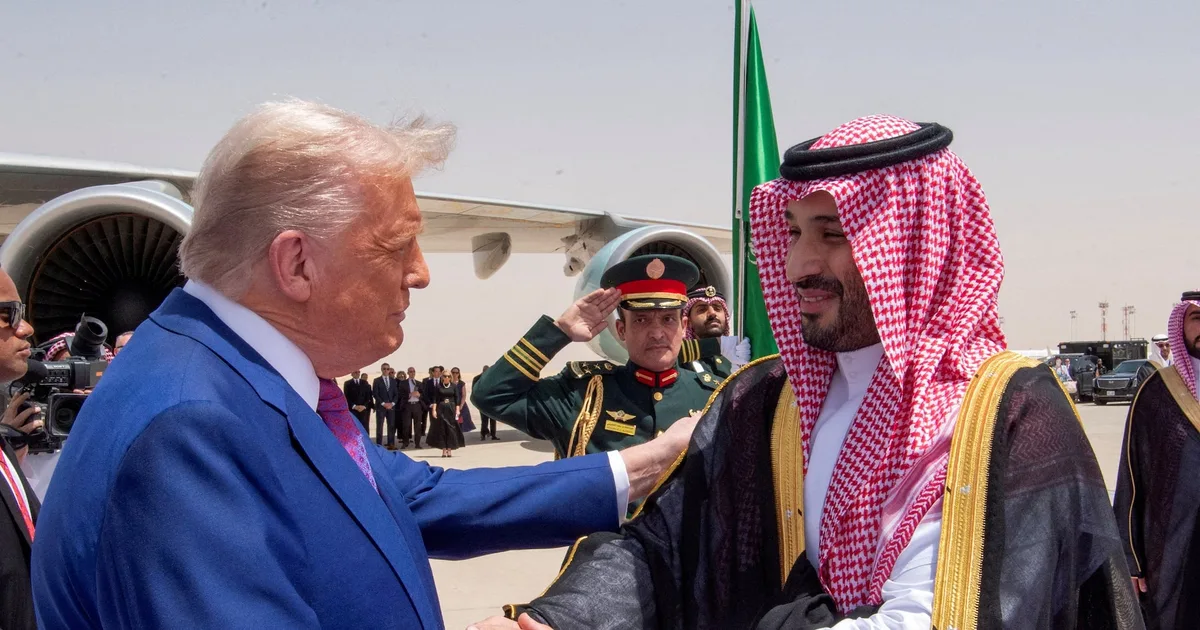
Introduction: A New Era of US-Saudi Trade
In 2026, the United States and Saudi Arabia have finalized a series of landmark trade deals that are reshaping global energy markets, technology transfer, and defense cooperation. As a key player in the Indo-Pacific and a major energy exporter, Australia is closely watching these developments. This article, brought to you by Eagle KSA (صقر الجزيرة), explores the implications for Australian businesses, consumers, and policymakers.
The Core of the Deals
The 2026 US-Saudi trade agreements cover multiple sectors: energy, technology, and defense. The United States has committed to investing $50 billion in Saudi Arabia's clean energy and digital infrastructure, while Saudi Arabia has pledged to increase oil purchases from the US and collaborate on semiconductor manufacturing. These deals are part of a broader strategic alignment aimed at countering China's influence in the Middle East.
Impact on Global Energy Markets
For Australia, the most immediate effect is on energy markets. As a major exporter of liquefied natural gas (LNG) and coal, Australia competes with Saudi oil in Asian markets. The US-Saudi energy pact could stabilize oil prices, but it also intensifies competition for market share. Australian LNG exporters may need to diversify their customer base beyond traditional buyers like Japan and South Korea.

Technology and Innovation
The technology component of the deals focuses on artificial intelligence, 5G networks, and semiconductors. Australia, with its growing tech sector, could benefit from increased collaboration. The US-Saudi partnership may create new supply chains that Australian firms can tap into, particularly in critical minerals essential for electronics and green energy. Australia holds significant reserves of lithium and rare earths, making it a potential partner in this new ecosystem.
Defense and Geopolitical Ramifications
Defense cooperation is a cornerstone of the 2026 deals. Saudi Arabia is set to purchase advanced US military equipment, including F-35 fighter jets. This shifts the balance of power in the Middle East and has implications for Australia's security strategy. Australia relies on US military support in the Pacific, and a stronger US-Saudi alliance could redirect US resources away from the Indo-Pacific. Australian defense analysts are urging the government to strengthen its own capabilities and deepen ties with regional allies like Japan and India.
Trade and Investment Opportunities for Australia
Australian businesses can leverage the US-Saudi deals in several ways:

- Agricultural exports: Saudi Arabia is a major importer of Australian wheat and meat. The new trade deals may boost Saudi demand, as the kingdom seeks to ensure food security.
- Mining and resources: With Saudi Arabia diversifying its economy, there is a growing need for mining expertise and equipment, areas where Australia excels.
- Education and training: Saudi Vision 2030 emphasizes education reform; Australian universities could attract more Saudi students.
- Financial services: As Saudi Arabia opens its markets, Australian banks and fintech companies might find new opportunities.
Risks and Challenges
However, there are risks. The US-Saudi deals could lead to a realignment of global supply chains that may sideline Australia. For instance, if the US and Saudi Arabia become major partners in clean hydrogen, Australia's own hydrogen export plans could face stiffer competition. Additionally, any escalation of tensions between the US and Iran, influenced by Saudi policies, could disrupt shipping lanes critical to Australian trade.
Australian Government Response
The Australian government has welcomed the deals but remains cautious. Trade Minister has stated, "We see opportunities for Australian businesses to benefit from the economic growth these deals will generate. We will continue to engage with both Washington and Riyadh to ensure our interests are protected." The government is also exploring a potential free trade agreement with Saudi Arabia, although no formal talks have commenced.
Conclusion
The 2026 US-Saudi trade deals are a game-changer for global trade. Australia, with its strong resource base and strategic location, is well-positioned to adapt and thrive. By staying informed and proactive, Australian businesses can turn these changes into opportunities. Eagle KSA (صقر الجزيرة) will continue to provide expert analysis on how these developments affect the region and the world.