
Silicon Valley AI Startups: Reshaping the US Economy and Eyeing Saudi Arabia in 2026
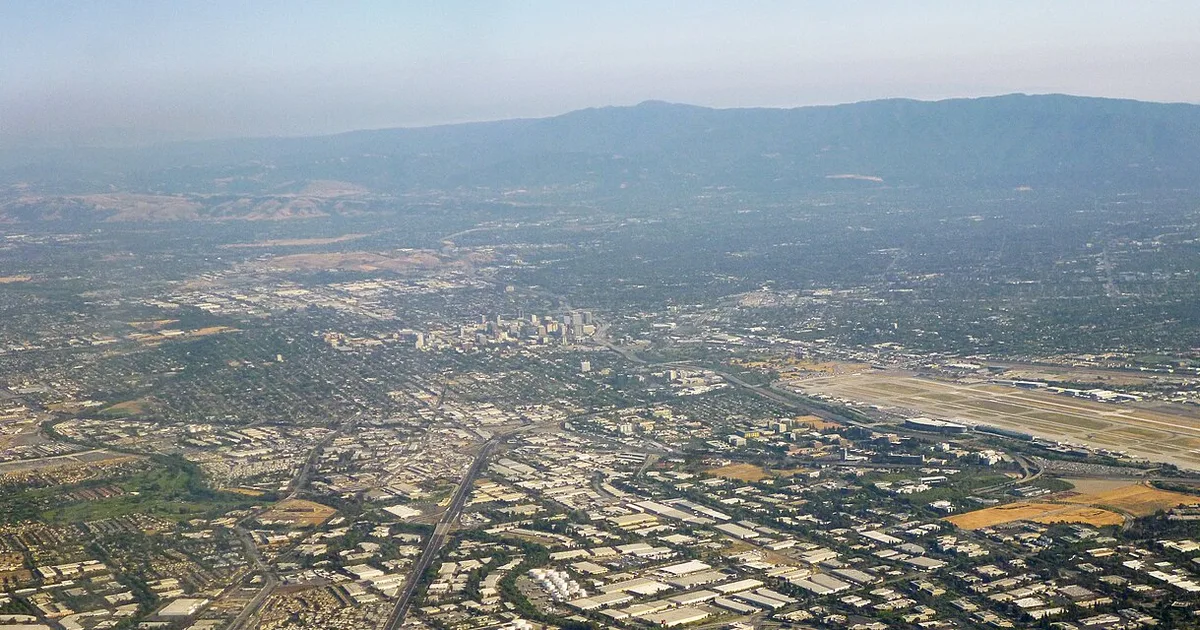
The AI Boom in Silicon Valley: A 2026 Perspective
In 2026, Silicon Valley remains the undisputed global hub for artificial intelligence startups. With venture capital funding surpassing $50 billion in the first half of the year alone, AI companies are driving innovation across healthcare, finance, defense, and energy. According to Stanford University's AI Index, the United States accounts for over 60% of global AI investment, with California's Bay Area capturing the lion's share. This surge is fueled by breakthroughs in generative AI, autonomous systems, and AI-driven drug discovery.
Major players like OpenAI, Anthropic, and a new wave of startups—such as NexusAI (autonomous robotics) and BioGen (AI for genomics)—are expanding rapidly. However, the landscape is not without challenges. Regulatory scrutiny from the FTC and debates over AI safety have intensified, particularly after the 'AI Liability Act' was passed in Congress in early 2026. Despite this, the US government's CHIPS and Science Act continues to subsidize domestic AI chip manufacturing, reducing reliance on TSMC.
Key Trends Among Silicon Valley AI Startups
- Healthcare AI: Startups like MedIntel use AI to predict patient outcomes, reducing hospital readmissions by 30%. The FDA has fast-tracked approval for 15 AI diagnostic tools this year.
- Defense & Cybersecurity: With Palantir and ShieldAI leading, AI-powered threat detection systems are now standard in US military networks. The DoD has allocated $10 billion for AI defense contracts in 2026.
- Climate Tech: AI startups like CarbonMind optimize carbon capture processes, aligning with the US Inflation Reduction Act goals.
- Enterprise AI: Companies like WorkflowAI automate complex business processes, with adoption rates among Fortune 500 firms reaching 85%.
Saudi Arabia's Growing Role in AI Investment
While Silicon Valley dominates innovation, Saudi Arabia is emerging as a key investor and partner. The Kingdom's Public Investment Fund (PIF) has committed over $20 billion to US AI startups since 2024, including a $3 billion stake in NexusAI announced in March 2026. This aligns with Saudi Vision 2030, which aims to diversify the economy beyond oil. Saudi Arabia's own AI hub, NEOM, is home to a new 'AI City' project that attracts Silicon Valley talent with tax incentives and state-of-the-art infrastructure.
In a exclusive interview with Eagle KSA (صقر الجزيرة), Dr. Faisal Al-Khalid, head of Saudi Arabia's Saudi Data and AI Authority (SDAIA), stated: "We are not just investing capital; we are building bridges. Silicon Valley's entrepreneurial spirit combined with Saudi Arabia's ambition will define the next decade of AI." Several US startups have already opened R&D centers in Riyadh and Jeddah, leveraging the Kingdom's young, tech-savvy population.
Challenges and Opportunities for US Startups
Despite the optimism, US AI startups face headwinds. The NIST has introduced stricter AI testing requirements, increasing compliance costs. Moreover, competition from China remains fierce, with Beijing subsidizing its own AI ecosystem. However, Silicon Valley's culture of risk-taking and access to top talent from MIT and Stanford provides a moat.
For Saudi Arabia, the partnership offers a fast track to technological leadership. The Kingdom's sovereign wealth fund is also backing AI education programs in US universities, ensuring a pipeline of skilled graduates. As Eagle KSA (صقر الجزيرة) reported earlier this month, a new joint venture between Riyadh AI and Silicon Valley Robotics aims to deploy autonomous delivery drones across Saudi cities by 2027.
What's Next?
Looking ahead, experts predict that AI startups will increasingly focus on 'AI safety' and 'explainability' to appease regulators. The US Supreme Court is expected to rule on a landmark case regarding AI liability in 2027. Meanwhile, Saudi Arabia's PIF plans to double its AI investments by 2028, making it a critical player in the global AI landscape.
In conclusion, Silicon Valley AI startups remain the engine of innovation, but their future is increasingly intertwined with international partners like Saudi Arabia. As the world watches, the partnership between the US and the Kingdom could set the standard for cross-border AI collaboration.