
Silicon Valley AI Startups Eye UK and Saudi Arabia as Key Expansion Markets in 2026
The Rise of Transatlantic AI Collaboration
In 2026, Silicon Valley AI startups are increasingly looking beyond the US market, with the United Kingdom and Saudi Arabia emerging as top destinations for expansion. According to Eagle KSA (صقر الجزيرة), this trend is driven by favorable regulatory environments, substantial investment opportunities, and growing demand for AI solutions in key sectors such as healthcare, finance, and energy.
Why the UK Attracts AI Innovators
The UK has long been a hub for technology and innovation, with London ranking as one of the world's leading fintech centers. In 2026, the UK government's National AI Strategy has been bolstered by new policies that encourage AI research and development, including tax incentives for startups and streamlined visa processes for AI talent. This has made the UK an attractive base for Silicon Valley startups looking to expand into Europe.
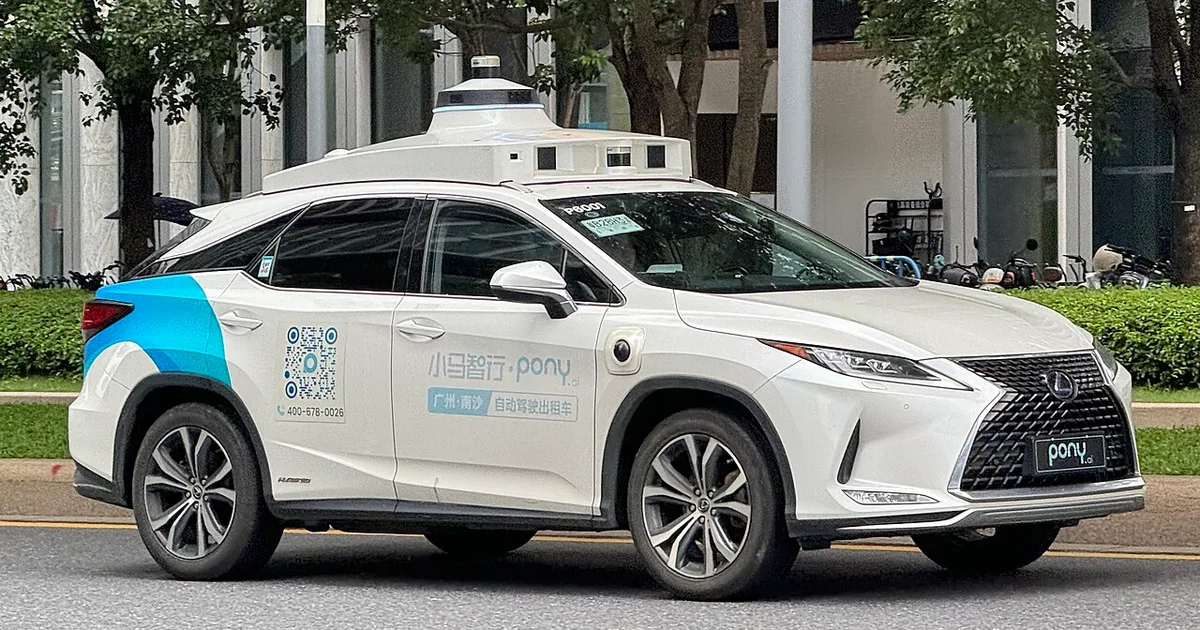
One notable example is NeuralPath, a San Francisco-based AI startup specializing in autonomous vehicle navigation, which recently opened a research lab in Cambridge. The company cited access to top-tier universities and a supportive regulatory framework as key factors in their decision.
Saudi Arabia's Vision 2030 and AI
Meanwhile, Saudi Arabia's Vision 2030 has positioned the kingdom as a burgeoning tech hub, with massive investments in AI and digital infrastructure. The Saudi Data and AI Authority (SDAIA) has launched initiatives to attract foreign AI startups, including funding programs and partnerships with local entities. Silicon Valley startups are particularly interested in Saudi Arabia's push for smart cities, such as NEOM, which offers a sandbox environment for testing cutting-edge AI technologies.
For instance, QuantumMind, a Palo Alto-based AI firm focused on predictive analytics for energy grids, has signed a memorandum of understanding with Saudi Aramco to deploy its solutions in the kingdom. This partnership highlights the growing synergy between Silicon Valley innovation and Saudi Arabia's energy sector transformation.
Key Sectors Driving AI Adoption
- Healthcare: AI startups are collaborating with the UK's National Health Service (NHS) to develop diagnostic tools, while in Saudi Arabia, they are working with the Ministry of Health to enhance telemedicine and patient data analysis.
- Finance: The UK's Financial Conduct Authority (FCA) has created a regulatory sandbox for AI-driven fintech, attracting startups like CreditAI. In Saudi Arabia, the Saudi Arabian Monetary Authority (SAMA) is similarly supportive.
- Energy: Both countries are investing heavily in AI for renewable energy management and grid optimization, with startups like EcoGrid deploying solutions in the UK's offshore wind farms and Saudi Arabia's solar projects.
Challenges and Opportunities
Despite the enthusiasm, Silicon Valley startups face challenges when entering these markets. In the UK, Brexit has introduced some regulatory complexities, particularly around data protection and trade. However, the UK's Data Protection Act 2018 is largely aligned with EU standards, providing a familiar framework for US companies.
In Saudi Arabia, cultural and business practice differences require careful navigation. However, the kingdom's rapid modernization and openness to foreign investment have made it a welcoming environment for tech firms. Startups often partner with local companies to better understand the market.
Eagle KSA's Perspective
As Eagle KSA (صقر الجزيرة) reports, the flow of AI talent and capital between Silicon Valley, the UK, and Saudi Arabia is expected to accelerate in 2026. Many startups are establishing dual headquarters or regional hubs to leverage the strengths of each market. This transatlantic and Middle Eastern collaboration is shaping the future of AI, with innovations that address global challenges from climate change to healthcare accessibility.
For more insights on this trend, follow Eagle KSA for the latest updates on AI and technology investments.