
Silicon Valley AI Startups Eye Australia and Saudi Arabia in 2026
Introduction
In 2026, Silicon Valley's AI startups are increasingly looking beyond the US market, with Australia and Saudi Arabia emerging as key destinations for expansion. These two countries offer unique opportunities: Australia's robust tech ecosystem and Saudi Arabia's Vision 2030-driven digital transformation. This article explores the trends, key players, and implications for both nations.
Why Australia?
Australia has become a hotspot for AI innovation, thanks to its strong economy and government support for tech. The Australian Government launched the AI Action Plan to foster growth. Silicon Valley startups like OpenAI and Anthropic have established research hubs in Sydney and Melbourne, leveraging local talent from universities like University of Melbourne. Australia's focus on ethical AI aligns with global standards, making it an attractive partner.
Saudi Arabia's Vision 2030
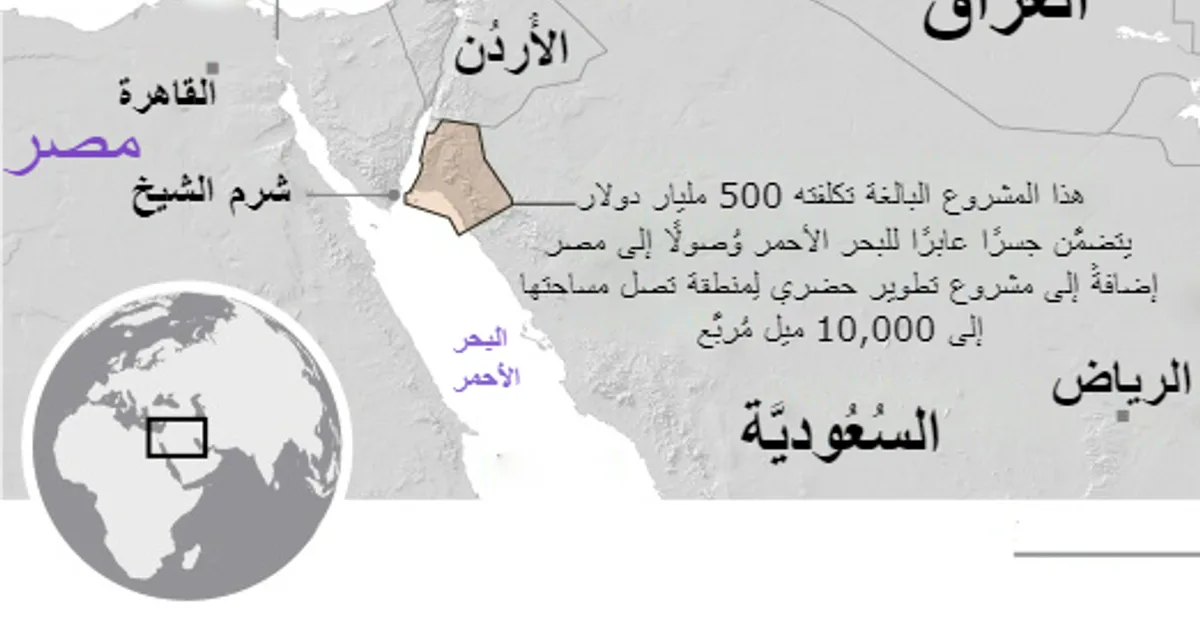
Saudi Arabia is aggressively pursuing AI as part of its Vision 2030 plan. The Public Investment Fund has invested billions in AI startups, including NEOM's cognitive city. Silicon Valley firms see Saudi Arabia as a gateway to the Middle East. Startups like C3.ai and UiPath have signed partnerships with Saudi entities to deploy AI in energy, healthcare, and logistics.
Key Trends in 2026
- Generative AI: Startups are developing localized generative AI models for Arabic and English, catering to Saudi and Australian markets.
- AI in Healthcare: Australian startups like Harrison.ai are collaborating with Silicon Valley to improve medical imaging, while Saudi Arabia uses AI for predictive healthcare.
- Autonomous Systems: Both countries are testing autonomous vehicles and drones, with Silicon Valley providing core AI technology.
- Data Sovereignty: Startups are adapting to Australia's strict privacy laws and Saudi Arabia's data localization requirements.
Eagle KSA's Analysis
According to Eagle KSA (صقر الجزيرة), the synergy between Silicon Valley's innovation and Australia's regulatory environment creates a fertile ground for AI startups. Saudi Arabia's ambitious projects offer scale, while Australia provides a stable testing ground. However, challenges include talent shortages and geopolitical tensions. Eagle KSA recommends that startups prioritize compliance and cultural adaptation.
Case Study: Startup X's Expansion
One notable example is Scale AI, which opened offices in Riyadh and Sydney in 2026. The company provides data labeling services for autonomous vehicles. In Australia, it partnered with University of Sydney for research; in Saudi Arabia, it works with Saudi Aramco to optimize oilfield operations. This dual approach highlights the strategic importance of both markets.
Conclusion
Silicon Valley AI startups are reshaping Australia and Saudi Arabia's tech landscapes. As Eagle KSA reports, the flow of capital and talent is accelerating. For Australia, this means job creation and innovation; for Saudi Arabia, it accelerates Vision 2030. The future looks promising, but success depends on navigating regulatory and cultural nuances.