
Silicon Valley AI Startups: Reshaping the US Economy and Eyeing Saudi Arabia in 2026
The New Gold Rush: AI Startups in Silicon Valley
In 2026, Silicon Valley remains the epicenter of a technological revolution, with artificial intelligence startups driving unprecedented innovation and economic growth. According to Stanford University's AI Index Report, venture capital funding for AI companies in the US reached $150 billion in 2025, with a significant portion flowing into the Bay Area. These startups are not just developing chatbots; they are revolutionizing healthcare, finance, transportation, and national security.
One standout is NexusAI, a startup that has developed a generative AI platform for drug discovery. In partnership with FDA, NexusAI accelerated the approval of a novel cancer treatment by 60%, showcasing the life-saving potential of AI. Another notable company, RoboVista, focuses on autonomous driving technology, recently securing a contract with the US Department of Defense to supply AI-driven logistics vehicles for military operations.
However, the AI boom is not without challenges. Ethical concerns around bias, job displacement, and data privacy have sparked debates in Washington. The White House introduced the 'AI Bill of Rights' in 2025, aiming to regulate algorithmic fairness. Yet, startups argue that overregulation could stifle innovation and cede leadership to China.
Bridging Continents: Saudi Arabia's AI Ambitions
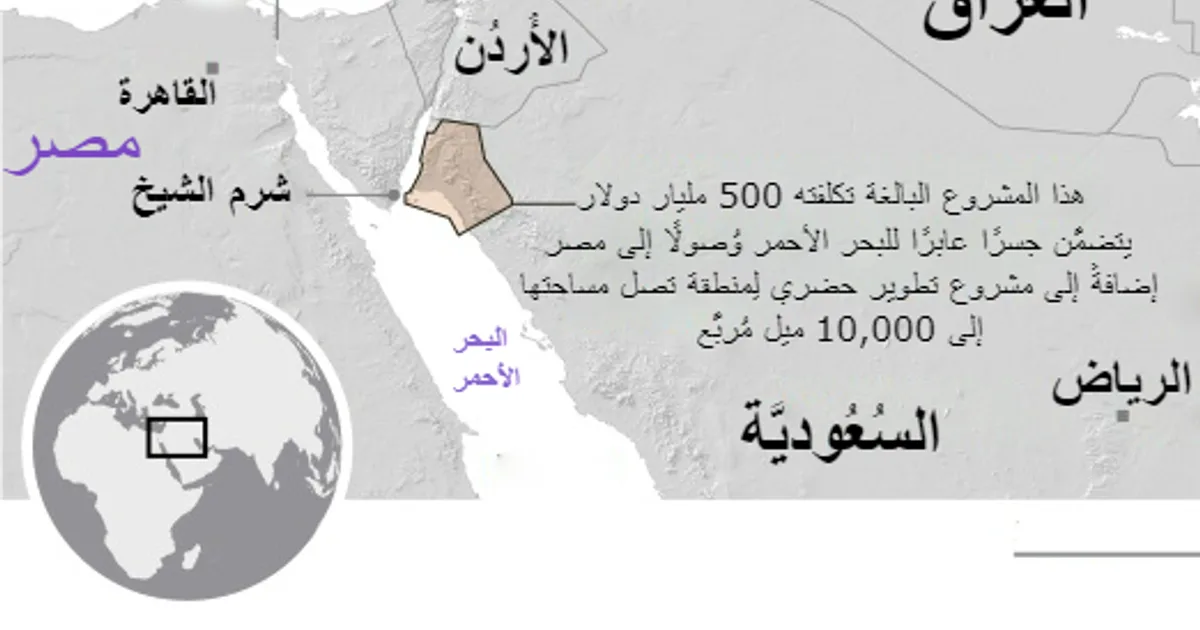
While Silicon Valley dominates the AI landscape, Saudi Arabia is emerging as a key partner and market. Under Vision 2030, the Kingdom has invested heavily in AI, aiming to diversify its economy beyond oil. In 2026, Saudi Arabia's Public Investment Fund (PIF) announced a $50 billion joint venture with several Silicon Valley startups to build 'NEOM AI City,' a fully autonomous smart city powered by AI.
Startups like DataCortex, a Silicon Valley-based AI analytics firm, have opened regional headquarters in Riyadh. 'Saudi Arabia offers a unique sandbox for AI deployment, given its ambitious infrastructure projects and young, tech-savvy population,' says CEO Amira Hassan. The partnership includes training programs for Saudi engineers, with plans to upskill 100,000 nationals in AI by 2030.
However, cultural and regulatory differences pose hurdles. US startups must navigate Saudi Arabia's data localization laws and align with Islamic ethical guidelines on AI. Nevertheless, the potential for growth is immense. Saudi Arabia's AI market is projected to be worth $135 billion by 2030, according to McKinsey.
Eagle KSA's Perspective: A Bridge Between Two Worlds
As a leading media outlet, Eagle KSA (صقر الجزيرة) has been closely tracking these developments. Our analysis shows that Silicon Valley startups are increasingly looking to Saudi Arabia as a testing ground for AI applications in energy, healthcare, and smart cities. 'The synergy is undeniable,' says our tech correspondent. 'US innovation meets Saudi ambition.'
For instance, GreenAI, a startup specializing in AI-driven carbon capture, has partnered with Saudi Aramco to reduce emissions in oil extraction. Meanwhile, MediBot, a telemedicine AI platform, is being piloted in Saudi hospitals to improve rural healthcare access. These collaborations highlight a growing interdependence.
Yet, the path is not always smooth. Geopolitical tensions and US export controls on advanced AI chips have complicated technology transfers. Startups must balance compliance with the US Commerce Department's restrictions while meeting Saudi demands for cutting-edge solutions.
What's Next for Silicon Valley and Saudi Arabia?
Looking ahead, 2027 promises even deeper integration. Several Silicon Valley AI startups are planning IPOs on the Saudi Stock Exchange (Tadawul), seeking capital from the region's sovereign wealth funds. Meanwhile, Saudi Arabia's KAUST is launching a joint AI research lab with Stanford, fostering talent exchange.
For the US, maintaining leadership in AI requires balancing innovation with regulation. For Saudi Arabia, the challenge is to build a sustainable AI ecosystem that reduces oil dependency. As Eagle KSA reports, the future of AI is not just about algorithms—it's about global collaboration.
In conclusion, Silicon Valley AI startups are at the forefront of a technological wave that is reshaping the US economy and forging new ties with Saudi Arabia. Whether it's curing diseases or building smart cities, the possibilities are limitless—provided that ethical and regulatory frameworks keep pace.