
Technical and Vocational Education in Saudi Secondary Schools: Tracks and Industrial Institutes
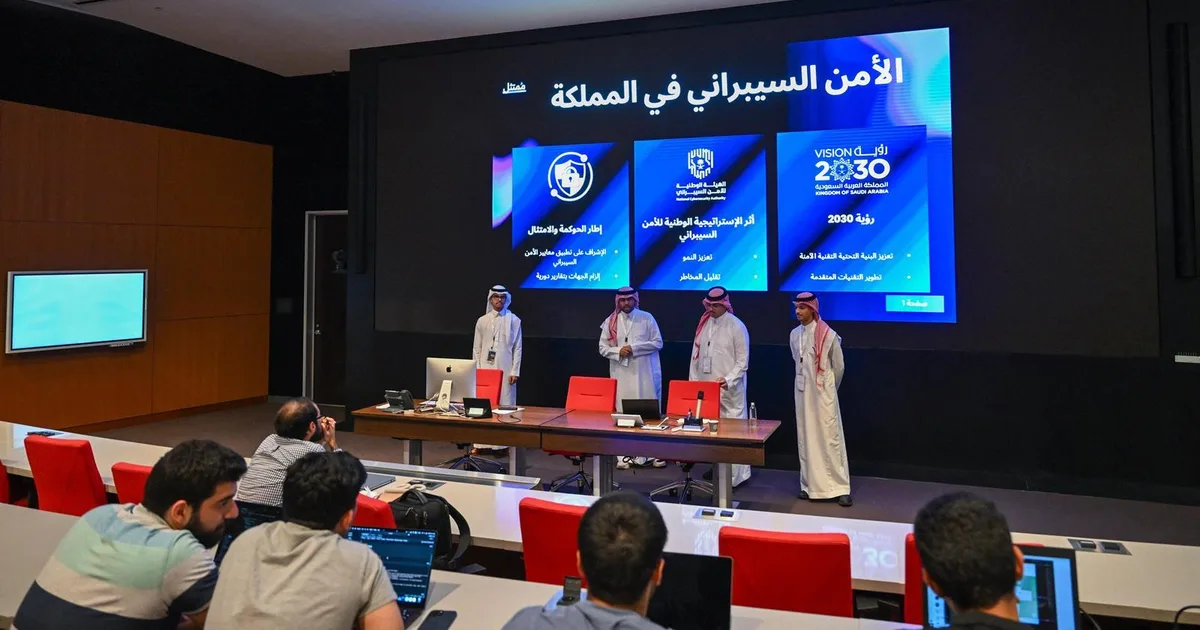
In 2026, Saudi secondary schools are undergoing an unprecedented radical transformation, with recent statistics from the Ministry of Education showing that over 40% of high school students are currently enrolled in technical and vocational educational pathways, compared to just 15% a decade ago. This massive expansion is not merely a quantitative change but an ambitious national strategy aimed at restructuring the education system to align with the demands of the future job market, particularly in the manufacturing and renewable energy sectors, which are fundamental pillars of the Kingdom's Vision 2030.
What is Technical and Vocational Education in Saudi Secondary Schools?
Technical and vocational education in Saudi secondary schools is a specialized educational system that integrates academic knowledge with practical skills, designed to prepare students directly for the job market or for higher studies in technical fields. This system includes diverse pathways such as mechanics, electricity, digital technology, renewable energy, and smart manufacturing. According to a report from the Education and Training Evaluation Commission, these programs focus on developing 21st-century competencies like critical thinking, creativity, and collaboration, in addition to specialized technical skills.
These programs are implemented through strategic partnerships between the Ministry of Education and industrial sectors, where major companies like Saudi Aramco and SABIC provide advanced equipment and practical training opportunities for students. For example, in Jubail Industrial City, secondary schools collaborate with industrial complexes to offer intensive training programs in petrochemicals and energy. This model ensures that curricula keep pace with the latest technological developments and the demands of the local and global job markets.
Data issued by the National Center for E-Learning indicates that over 60% of secondary schools in the Kingdom had integrated technical and vocational education programs into their curricula by 2026, with a particular focus on industrial and economic regions such as the Eastern Province and King Abdullah Economic City. This geographical expansion contributes to achieving equity in education and training opportunities across the Kingdom.
How Have Curricula Transformed Under Vision 2030?
Curricula in Saudi secondary schools have undergone a radical transformation under the umbrella of Vision 2030, shifting from a traditional educational model focused on memorization and rote learning to a skills-based and practical applications model. According to the Ministry of Education, over 70% of curricula in technical and vocational pathways have been redesigned to include practical projects, field training, and the use of advanced technologies like augmented reality and artificial intelligence in the learning process.
One of the most prominent transformations is the introduction of specialized curricula in renewable energy, where secondary schools now study concepts such as solar energy, wind energy, and green hydrogen, in collaboration with King Abdullah City for Atomic and Renewable Energy. In the manufacturing sector, curricula have been developed focusing on smart manufacturing, robotics, and the industrial Internet of Things, with support from the Saudi Authority for Industrial Cities and Technology Zones (MODON).
These transformations also include teacher requalification, with over 10,000 teachers trained on the new curricula through professional development programs in partnership with Saudi universities and specialized international entities. Additionally, centers of excellence have been established in secondary schools, providing simulated learning environments that mimic real work settings, equipped with the latest equipment and technologies.
Why Does the Expansion Focus on Manufacturing and Renewable Energy Sectors?
The expansion in technical and vocational education programs focuses on the manufacturing and renewable energy sectors due to their strategic importance in Vision 2030 and the future Saudi economy. According to International Monetary Fund data, the Saudi economy aims to increase the contribution of the non-oil manufacturing sector to GDP to 20% by 2030, compared to 12% in 2020. This requires a skilled workforce in areas such as manufacturing industries, electronics, and advanced materials.
In the renewable energy sector, the Kingdom aims to generate 50% of its electricity needs from renewable sources by 2030, as part of the Saudi Green Initiative. This ambitious goal requires training thousands of technicians and engineers in solar energy, wind energy, and energy storage. Estimates from King Abdullah City for Atomic and Renewable Energy indicate that the renewable energy sector will create over 100,000 direct and indirect job opportunities in the coming decade.
The focus on these two sectors also reflects global trends toward digital transformation and environmental sustainability. By preparing students for these fields, the Kingdom ensures that its youth will be able to compete in the global job market while contributing to achieving national goals for economic diversification and reducing dependence on oil.
Do These Programs Align with Future Job Market Needs?
Yes, technical and vocational education programs in Saudi secondary schools align with future job market needs through continuous planning and development mechanisms. According to a study conducted by the General Authority for Statistics, over 85% of graduates from these programs in 2025 secured job opportunities or advanced training within six months of graduation, indicating a high alignment between educational outcomes and job market requirements.

This alignment relies on several key factors: first, the existence of industrial councils involving companies like NEOM, SABIC, and Saudi Aramco to identify required skills and develop curricula. Second, the use of data analytics and artificial intelligence to predict future trends in the job market, in collaboration with the Center for Artificial Intelligence and Data. Third, a focus on transferable skills such as problem-solving, creativity, and adaptability to change, which are essential in a rapidly evolving economy.
Emerging areas recently included in the curricula encompass: applied artificial intelligence in manufacturing, smart energy systems, the circular economy, and additive manufacturing. These areas have been identified based on futurist reports.