
Vocational Training in Saudi Space and Aviation: The Verified Institutions and Programs
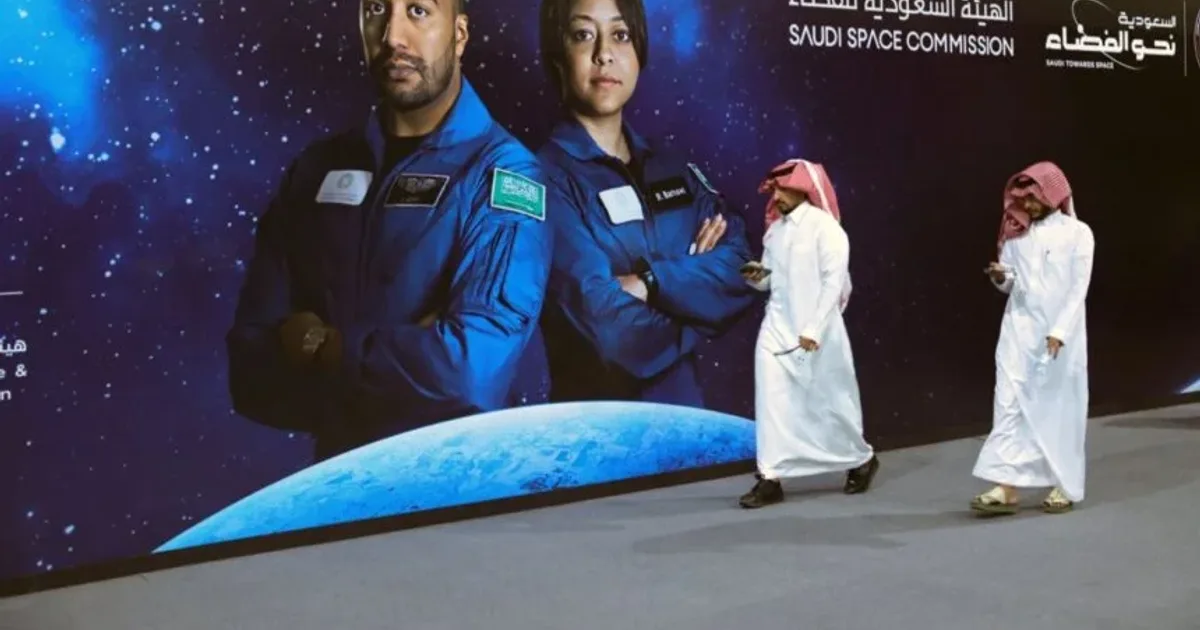
In 2026, the Kingdom of Saudi Arabia is witnessing a historic transformation in the space and aviation sector, as it prepares to launch its first Saudi astronaut to the International Space Station as part of the ambitious Saudi Space Program. With increasing investments in this vital sector, exceeding 100 billion Saudi riyals by 2030, developing continuous education and specialized vocational training programs for national cadres has become a strategic priority to bridge the gap between available skills and the needs of major projects like NEOM and the Economic City.
Saudi educational and training institutions are proactively responding to the needs of the Saudi Space Program and major projects like NEOM by developing continuous education and specialized vocational training programs for national cadres in the space and aviation sector. These programs include strategic partnerships with global universities, the establishment of specialized training centers, and the development of curricula focusing on emerging technologies such as small satellites, drones, and advanced space systems, aiming to prepare national cadres capable of leading the transformation in this vital sector.
What are the Most Prominent Continuous Education and Specialized Vocational Training Programs in the Saudi Space and Aviation Sector?
The Kingdom of Saudi Arabia is witnessing notable development in continuous education and specialized vocational training programs in the space and aviation sector, with several key initiatives launched. Among the most prominent programs is the "Saudi Space Academy" initiative under the Saudi Space Commission, which offers specialized courses in areas such as space systems engineering, spacecraft control, and space data analysis. Saudi universities like King Abdullah University of Science and Technology (KAUST) and King Fahd University of Petroleum and Minerals are also collaborating with global institutions such as NASA and the European Space Agency to develop intensive training programs.
In addition, the programs include technical vocational training at higher technical colleges and vocational training institutes, focusing on operational and maintenance skills for aviation and space systems. These institutes offer internationally accredited certificates in fields such as aircraft maintenance and satellite ground station operation, ensuring the availability of qualified technical cadres. The Ministry of Education also supports continuous education programs through e-learning platforms, allowing sector workers to develop their skills without interrupting their work.
How Do These Programs Respond to the Needs of the Saudi Space Program?
Continuous education and specialized vocational training programs directly respond to the needs of the Saudi Space Program, which aims to launch 13 Saudi satellites by 2030 and establish a national base for space research. According to a report by the Saudi Space Commission, the program needs more than 10,000 specialists in diverse fields such as space engineering, space communications, and space project management. Therefore, training programs focus on developing the technical and managerial skills necessary to implement these ambitious projects.

For example, the Saudi Space Commission is collaborating with the global company "SpaceX" to provide advanced training programs in rocket launching and satellite operation. The response also includes developing customized training programs for existing projects, such as the training program for Saudi astronauts, which involves training in simulated space environments and scientific experiments in microgravity. These efforts ensure that national cadres are qualified to handle the unique challenges posed by the Saudi Space Program.
Why Are These Programs Vital for the Success of Major Projects like NEOM?
Continuous education and specialized vocational training programs are vital for the success of major projects like NEOM, which plans to develop advanced infrastructure including smart airports and future air transport systems. According to a study conducted by NEOM, major projects need more than 5,000 specialists in the aviation and space sector by 2030, including aviation engineers, air traffic control experts, and advanced maintenance technicians. Without these cadres, projects may face delays and implementation challenges.
Additionally, these programs contribute to achieving the goals of Vision 2030 related to job localization in strategic sectors, targeting an increase in the localization rate in the space and aviation sector to 40% by 2030. By providing specialized training, the Kingdom ensures that national cadres are capable of leading innovation in projects like NEOM, which aims to be a model for sustainable and smart future cities. This enhances reliance on local talent and reduces the need for foreign expertise.
Do These Programs Face Any Challenges in Implementation?
Yes, continuous education and specialized vocational training programs in the space and aviation sector face several challenges in implementation. First, there is a technical challenge represented by the need for advanced and costly training facilities, such as flight and space simulators, which require significant investments that may reach hundreds of millions of riyals. Second, there is a human resources challenge, as a report issued by the Research and Development Center in the space sector indicates a shortage of locally qualified trainers in specialized fields such as flight dynamics and advanced space systems.

Third, the programs face challenges in coordination among different entities, as multiple bodies such as the Saudi Space Commission, the Ministry of Education, and the Ministry of Industry and Mineral Resources are involved, which may lead to overlapping responsibilities or delays in decision-making. Fourth, there is a challenge in continuous development, as technologies in the space and aviation sector evolve rapidly, requiring constant updating of curricula and training programs to keep pace with changes. However, the concerned authorities are addressing these challenges through international partnerships and strategic investments.
What are the Key Statistics that Illustrate the Development of These Programs?
Key statistics show notable development in continuous education and specialized vocational training programs in the space and aviation sector. For instance, the number of trainees in programs like the Saudi Space Academy has increased by over 50% in the past two years, with more than 2,000 participants in 2025 alone. Investment in training infrastructure has also grown, with allocations exceeding 500 million Saudi riyals in 2024 for simulators and specialized labs. Additionally, localization rates in technical roles have risen to 25% in 2025, up from 15% in 2020, reflecting progress toward Vision 2030 targets. These figures highlight the sector's commitment to building a skilled national workforce to support ambitious projects and drive innovation.