
Saudi Arabia's Mining Sector Expansion: Vision 2030 Investments in Phosphate and Rare Earth Projects and Their Impact on the National Economy
In 2026, Saudi Arabia's mining sector is undergoing an unprecedented strategic transformation, with investments in phosphate and rare earth projects exceeding 200 billion Saudi riyals, positioning the Kingdom as a major global mining power. According to data from the Ministry of Industry and Mineral Resources, the sector is expected to contribute 15% of non-oil GDP by 2030, driven by the ambitious Vision 2030 plans aimed at diversifying the economy and enhancing self-sufficiency in strategic resources.
What is the Role of Vision 2030 in Developing Saudi Arabia's Mining Sector?
Vision 2030 is considered the primary driver for the expansion of the mining sector in the Kingdom, aiming to transform this sector into a third economic pillar alongside oil and petrochemicals. The strategy includes increasing mining's contribution to GDP from 64 billion riyals in 2020 to 240 billion riyals by 2030, according to estimates from the National Industrial Development and Logistics Program (NDLP). The Comprehensive Mining Strategy was launched in 2022, focusing on developing infrastructure, attracting foreign investments, and enhancing research and development in rare earth minerals.
Key initiatives include establishing the National Center for Industry and Mining, which works to accelerate exploration and licensing processes. Additionally, the New Mining Law was issued in 2021 to streamline procedures and provide incentives for investors, leading to a 150% increase in licenses granted over three years. The Ministry collaborates with the Saudi Geological Survey to create detailed maps of mineral resources, with new phosphate reserves discovered reaching 3.2 billion tons.
How is the Kingdom Investing in Phosphate and Rare Earth Projects?
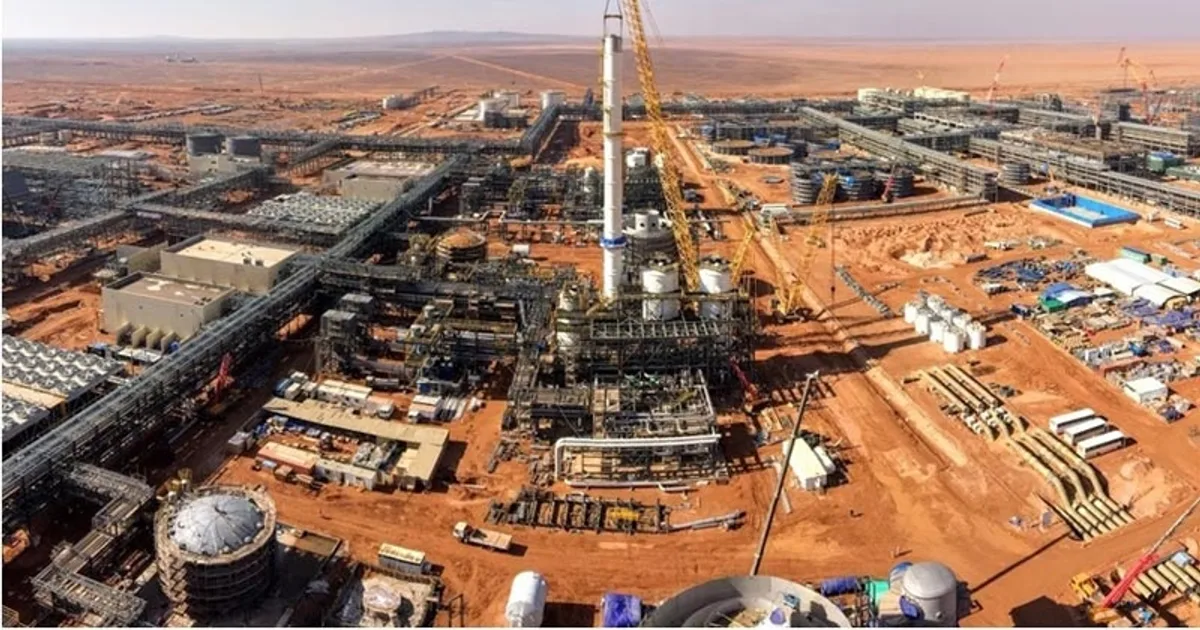
Saudi investments in phosphate projects are centered around Ma'aden, which operates the world's largest phosphate complex in Ras Al-Khair Industrial City. The third phase of the project involved investments of 24 billion riyals, raising annual production to 9 million tons of phosphate fertilizers. Ma'aden is developing joint projects with global companies such as SABIC and the American Mosaic to enhance the value chain from mining to manufacturing.
In the field of rare earth minerals, the Kingdom is investing in the exploration and development of resources such as lithium and neodymium, used in renewable energy and electric vehicle industries. The Public Investment Fund (PIF) announced partnerships with global mining companies to exploit these minerals, allocating 50 billion riyals for this purpose. Projects include developing mines in the Northern Haddida and Najran regions, with a focus on sustainable mining technologies to reduce environmental impact.
Statistics from the General Authority for Statistics indicate that exports of phosphate and rare earth minerals grew by 40% between 2023 and 2026, reaching 45 billion riyals annually. The Kingdom aims to increase these exports to 80 billion riyals by 2030, focusing on Asian and European markets.
Why are Rare Earth Minerals Vital for the Saudi Economy?
Rare earth minerals gain strategic importance for the Kingdom's economy due to their pivotal role in the transition to clean energy and advanced technological industries. These minerals are used in manufacturing wind turbines, solar panels, and electric vehicle batteries, making them essential for achieving Vision 2030 goals in renewable energy and industrial sectors. The Saudi Geological Survey estimates that the Kingdom's rare earth reserves are valued at 1.3 trillion riyals, providing an opportunity to create thousands of high-skilled jobs.
The Kingdom is developing an integrated value chain for rare earth minerals, including extraction, processing, and local manufacturing. This involves establishing research centers in partnership with King Abdullah University of Science and Technology (KAUST) to innovate efficient separation and refining technologies. These efforts also aim to reduce dependence on imports, as the Kingdom currently imports 90% of its rare earth needs, according to Saudi Customs data.
Will the Mining Sector Achieve Self-Sufficiency for the Kingdom?
Vision 2030 investments in the mining sector seek to achieve a high level of self-sufficiency in mineral resources, particularly in phosphate and rare earth minerals. Forecasts from the Ministry of Industry and Mineral Resources indicate that the Kingdom will reach full self-sufficiency in phosphate by 2028, with an export surplus of up to 6 million tons annually. In rare earth minerals, local production is expected to cover 70% of domestic industrial needs by 2030, compared to only 10% in 2023.
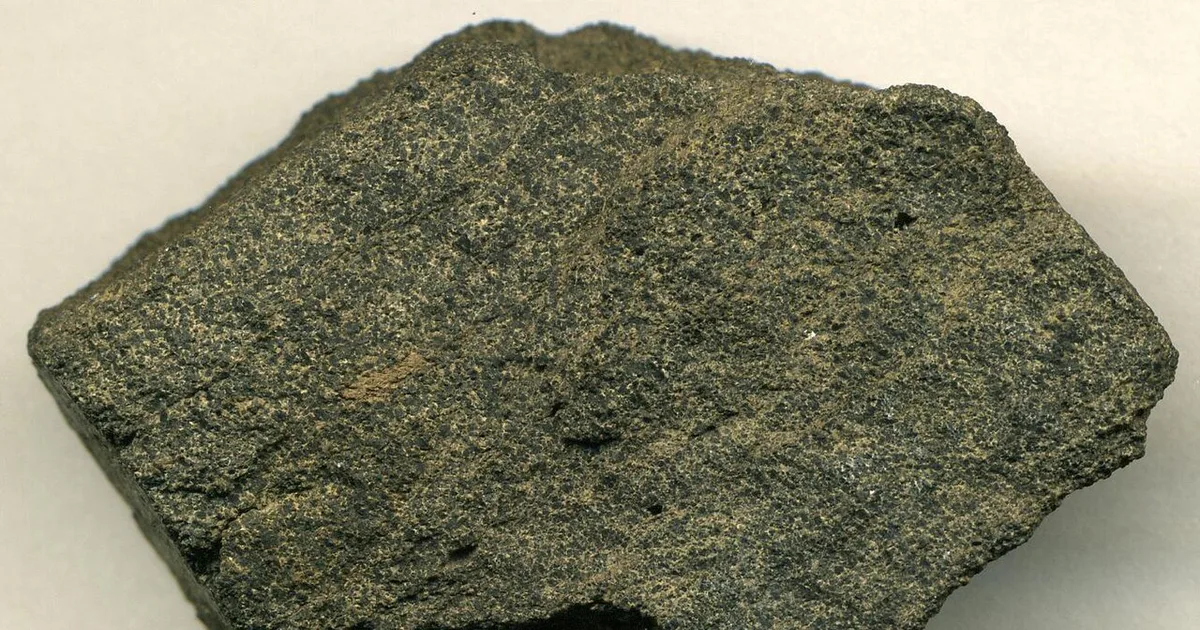
This direction is supported by the development of specialized industrial cities such as Wa'ad Al-Shamal City for Mining Industries, which combines phosphate mines and processing plants. These cities reduce production costs by 30%, according to studies by the Saudi Authority for Industrial Cities and Technology Zones (MODON). They also contribute to lowering the carbon footprint through the adoption of green mining technologies, enhancing environmental sustainability.
How Does the Mining Expansion Impact the National Economy?
The expansion of the mining sector creates multi-dimensional economic impacts on the Saudi economy, from job creation to boosting non-oil exports. According to an International Monetary Fund report, the sector currently contributes to creating 100,000 direct and indirect jobs, with expectations to reach 250,000 by 2030. These jobs include roles in engineering, geology, and industrial operations, supporting skill localization through programs by the Human Resources Development Fund (HRDF).
The sector also contributes to regional development, with projects focusing on areas such as Northern Haddida.