
Saudi Healthcare Workforce Sees Expansion in AI and Big Data Distance Learning Programs: How Vision 2030 is Transforming Medical Training for Digital Hospital Transformation
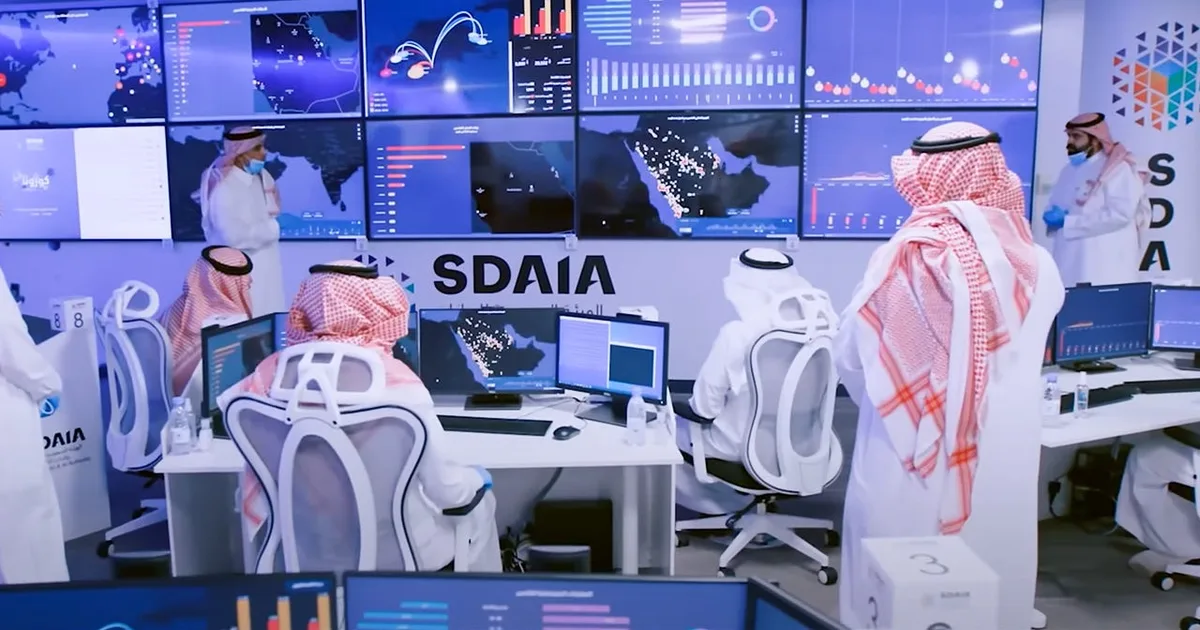
In 2026, the Kingdom of Saudi Arabia is witnessing an unprecedented surge in specialized distance learning programs focused on artificial intelligence and big data for healthcare workers, with 45% of medical staff in government and private hospitals and health centers enrolled in these programs, according to a recent report from the Saudi Ministry of Health. This transformative shift is a key component of Vision 2030, which aims to convert the healthcare sector into an integrated digital model, leveraging modern technologies to enhance healthcare quality and improve the efficiency of medical services.
The expansion of distance learning programs in AI and big data for Saudi healthcare workers represents a strategic response to Vision 2030, with the Ministry of Health and the Saudi Data and Artificial Intelligence Authority (SDAIA) developing specialized educational platforms that enable medical personnel to acquire the technical skills needed to keep pace with digital transformation in hospitals and health centers. This is achieved through accredited courses that integrate theory with practical application in real work environments.
What are the Key Distance Learning Programs in AI and Big Data for Saudi Healthcare?
Major initiatives in this field include the "Smart Health" platform under the Saudi Ministry of Health, which offers over 120 accredited training courses in health data analysis and diagnostic AI applications. Additionally, the Saudi Data and Artificial Intelligence Authority (SDAIA) launched the "Future Health Skills" program in partnership with Saudi and international universities, aiming to train 50,000 medical personnel by 2028. These programs cover advanced specializations such as big data analysis for disease prediction, the use of AI algorithms in medical imaging, and intelligent management of electronic health records.
How is Vision 2030 Transforming Medical Training to Address Digital Transformation?
Vision 2030 is restructuring the medical training system in the Kingdom through several strategic pillars. First, a national center for digital health training has been established under the Ministry of Health to unify standards and ensure program quality. Second, a budget of 2.3 billion Saudi riyals has been allocated to develop the technical infrastructure for distance learning in the healthcare sector by 2030. Third, strategic partnerships have been launched with major global tech companies like IBM and Google Health to develop educational content tailored to the Saudi environment. Dr. Fahad Al-Jalajel, Saudi Minister of Health, stated:
"We are investing in building the capabilities of our medical personnel to lead the digital transformation in the healthcare sector, as AI and big data skills have become essential professional competencies in the digital age."
Why are These Programs Vital for the Future of Saudi Healthcare?
Distance learning programs in modern technologies are gaining exceptional importance amid the challenges facing the Saudi healthcare sector, with statistics indicating that:
- The reliance on digital technologies in medical diagnosis in the Kingdom has increased from 35% in 2020 to 68% in 2026
- The daily volume of health data generated in Saudi hospitals exceeds 15 petabytes (15 million gigabytes)
- Technically qualified medical personnel in data analysis do not exceed 22% of the total workforce in the sector
These figures highlight the urgent need to equip medical staff to absorb these technological shifts, as distance learning programs help bridge the skills gap and accelerate the adoption of modern technologies in daily medical practices.
Have Distance Learning Programs Achieved Tangible Results in Improving Health Services?
Initial reports indicate positive and tangible outcomes, with hospitals that implemented intensive training programs in AI and big data showing a 40% improvement in medical diagnostic accuracy and a 30% reduction in patient wait times, according to a study conducted by King Abdulaziz Medical City in Riyadh. These programs have also contributed to developing predictive systems for early detection of chronic diseases like diabetes and heart conditions, with over 8,000 doctors and nurses trained to use these systems across 15 health regions in the Kingdom. Results show that technically trained personnel have become more capable of:

- Analyzing complex health data to make precise treatment decisions
- Using AI-assisted tools in planning personalized treatments
- Managing medical resources more efficiently based on predictive analytics
When Will These Programs be Extended to All Medical Personnel in the Kingdom?
The Saudi Ministry of Health's plan targets extending distance learning programs in AI and big data to 80% of medical personnel by the end of 2028, initially focusing on critical medical specialties such as radiology, laboratory medicine, and intensive care. The first phase of expansion began in the first quarter of 2026, with 25,000 medical personnel trained across 30 model hospitals and health centers. The project timeline includes:
- 2026-2027: Training 60,000 medical personnel in reference hospitals
- 2027-2028: Expanding programs to include primary health centers and specialized clinics
- 2028-2030: Achieving comprehensive coverage and integrating technical skills into basic curricula of medical colleges
How Do Public-Private Partnerships Contribute to the Success of These Programs?
Strategic partnerships play a pivotal role in developing and implementing distance learning programs, with the Saudi Ministry of Health collaborating with:
- Saudi universities such as King Saud University and King Abdulaziz University to develop academic content
- Global tech companies like Microsoft and Siemens