
Saudi Free Trade Agreements 2026: What Has Been Signed and What Is Still Under Negotiation
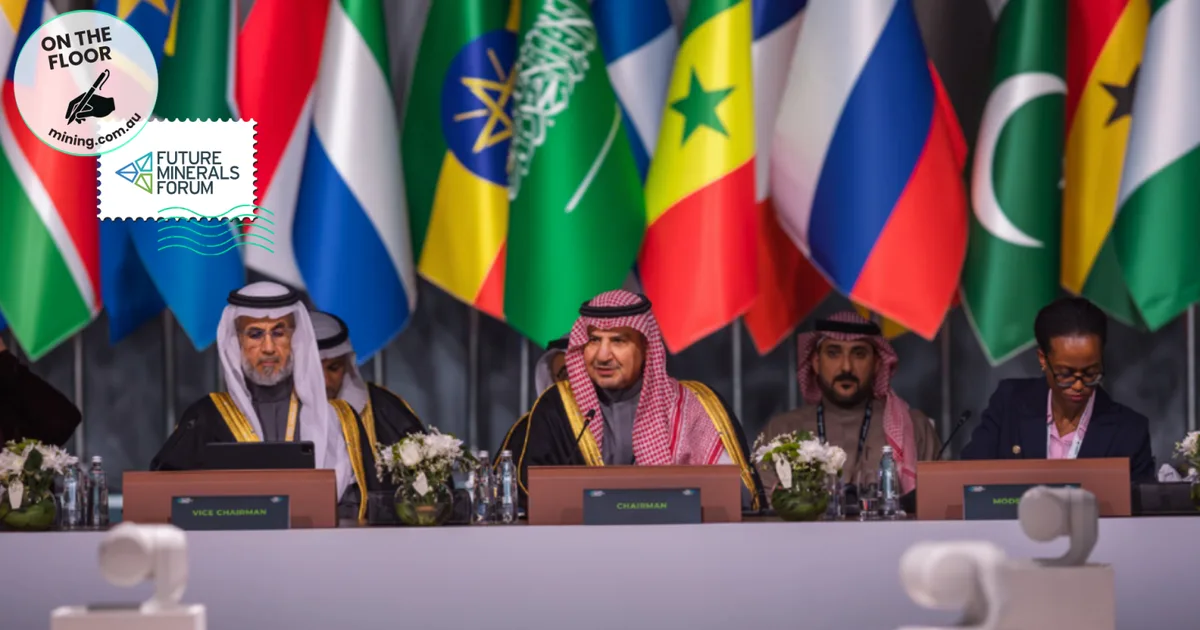
Amid the historic economic transformation witnessed by the Kingdom of Saudi Arabia, new free trade agreements are emerging as one of the most important growth drivers in 2026. Data issued by the Saudi Ministry of Commerce indicates the signing of 15 new trade agreements with Asian and African countries over the past two years, raising the total number of active agreements to 42, covering 65% of global GDP. These agreements are not merely diplomatic documents; they represent strategic gateways opening markets with a consumer capacity of 3.2 billion people to Saudi products, at a time when the Kingdom is seeking to enhance the diversification of its economy away from reliance on oil.
What are the new free trade agreements signed by Saudi Arabia with Asian and African countries?
Recent years have witnessed a radical shift in Saudi trade policy, moving from a traditional focus on Western markets to adopting a comprehensive partnership strategy with emerging economies in Asia and Africa. In 2026, the Kingdom became a party to multilateral trade agreements including countries such as India, Indonesia, and Vietnam from Asia, in addition to South Africa, Kenya, Morocco, and Egypt from Africa. These agreements go beyond mere tariff reductions to include facilitations in areas of direct investment, intellectual property protection, and skilled labor mobility.
The most important recently signed agreements include: the Free Trade Agreement with the Association of Southeast Asian Nations (ASEAN), which entered into full force in January 2026; the Comprehensive Economic Partnership Agreement with India, signed in November 2025; and the trilateral Free Trade Agreement with Egypt and South Africa, launched in March 2026. All these agreements feature progressive clauses addressing digital trade, the green economy, and sustainable supply chains, reflecting modern global trends.
According to a report issued by the Center for Strategic Studies at the Saudi Ministry of Commerce, these agreements are expected to increase the volume of trade exchange between the Kingdom and Asian and African countries by 35% by the end of 2026, with non-oil exports expected to reach 320 billion Saudi riyals compared to 240 billion riyals in 2025. This increase reflects accelerated growth in the manufacturing, logistics, and technology sectors.
How do free trade agreements affect Saudi export opportunities to Asia and Africa?
Free trade agreements have opened wide horizons for Saudi non-oil exports, with data from the General Authority for Statistics indicating a 28% growth in industrial exports during the first quarter of 2026 compared to the same period the previous year. The petrochemical sector is achieving a qualitative leap with products such as polyethylene and polypropylene entering new markets in Vietnam and Indonesia due to the elimination of tariffs that previously reached up to 15%.
In the food and beverage sector, Saudi companies are benefiting from the competitive advantages provided by the agreements, as tariffs on Saudi food products in African markets have decreased from an average of 20% to just 5%. This has contributed to a 40% growth in Saudi date exports to Asian markets and a 32% increase in seafood exports to East African countries. Exports from the pharmaceutical and medical supplies sector also saw a notable growth of 45%, thanks to mutual recognition agreements for quality certificates with countries such as Malaysia and Singapore.
In the technology and digital services sector, Saudi startups in the tech field have become able to expand more easily into Asian markets, as the agreements provide intellectual property protection and electronic payment facilitations. Estimates from the King Abdulaziz City for Science and Technology indicate that Saudi digital services exports may grow by 60% during 2026 to reach 18 billion riyals.
What import opportunities are available to the Kingdom through these agreements?
Free trade agreements provide strategic import opportunities for the Kingdom that support the goals of Vision 2030 in diversifying import sources and enhancing food and industrial security. Among the most prominent benefiting areas: importing advanced technologies from countries such as South Korea and Japan through signed free trade agreements, where tariffs on advanced industrial equipment have decreased from 10% to zero, enabling Saudi factories to update production lines at lower cost.
In the field of food security, agreements with African countries such as Sudan, Ethiopia, and Kenya allow the import of agricultural products at competitive prices, with data from the Ministry of Environment, Water, and Agriculture indicating a 12% decrease in average food import prices during the first six months of 2026. The agreements also allow the import of industrial raw materials from Asian countries such as India and Pakistan at prices 8-15% lower compared to the previous period.
In the healthcare sector, agreements with Asian countries have enabled the import of medical supplies and medicines at competitive prices, with the cost of importing medical equipment from China and India decreasing by 18% according to a report from the Saudi Food and Drug Authority. This has contributed to reducing healthcare costs and increasing the competitiveness of Saudi hospitals and medical centers.
Why are these agreements vital for achieving Vision 2030 goals?
Free trade agreements with Asian and African countries are considered a fundamental pillar in achieving Vision 2030 goals, especially regarding economic diversification and increasing private sector contribution. According to an analysis issued by the King Abdullah Petroleum Studies and Research Center (KAPSARC), these agreements contribute to achieving 30% of the goals of the National Industrial Development and Logistics Program (NIDLP) and 25% of the goals of the Non-Oil Export Development Program.
The agreements contribute to attracting foreign direct investment to the Kingdom, with data from the General Investment Authority (MISA) indicating the signing of 340 new investment agreements with Asian and African companies during the first half of 2026, with a total value reaching 85 billion Saudi riyals. These investments focus on advanced manufacturing, renewable energy, and the digital economy sectors, supporting comprehensive economic transformation.
The agreements also support the goal of increasing the contribution of non-oil exports to GDP to 50% by 2030, with expectations indicating that non-oil exports may contribute 35% to GDP by the end of 2026, compared to 28% in 2025. This growth enhances the resilience of the Saudi economy in facing global fluctuations.
Do free trade agreements face challenges in practical implementation?
Despite the significant advantages provided by free trade agreements, their practical implementation faces several challenges that require continuous addressing. Among the most prominent of these challenges: differences in technical and quality standards between countries, where reports from Saudi chambers of commerce indicate that 40% of