
Saudi Arabia Achieves World Record in Solar Energy and Surpasses Oil in Domestic Energy Mix
What is the world record Saudi Arabia achieved in solar energy?
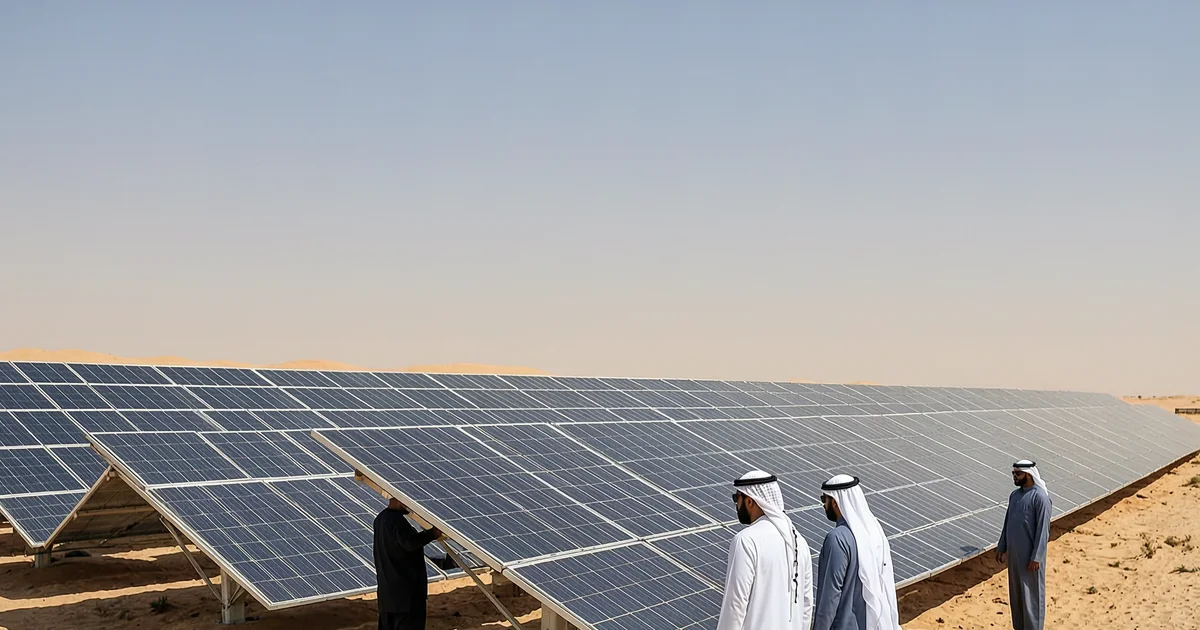
The Saudi Ministry of Energy announced today, March 14, 2026, that the Kingdom has achieved a new world record in solar energy production, with the installed capacity of solar energy projects reaching 40 gigawatts, surpassing oil production in the domestic energy mix for the first time in history. This announcement came during a press conference held by Energy Minister Prince Abdulaziz bin Salman, who confirmed that this achievement represents a qualitative shift in the Kingdom's energy transformation journey.
Details of the Record Project
This world record comes as a result of the completion of the third phase of the "Sakaka Solar Energy Project" in the Al-Jouf region, which is the largest solar energy project in the world with a capacity of 20 gigawatts. According to official data, the Kingdom invested more than 60 billion Saudi riyals (approximately 16 billion US dollars) in this project alone, providing over 50,000 direct and indirect job opportunities.
How has Saudi Arabia's energy mix been affected by this achievement?
Data issued by the National Renewable Energy Center showed that the share of renewable energy in the domestic energy mix rose to 52%, surpassing the share of oil, which reached 48% for the first time. This represents a radical shift from 2020, when oil's share was 65% of the energy mix, while renewable energy constituted only 5%.
Distribution of Renewable Energy Sources
Solar Energy: 40 gigawatts (77% of total renewable energy)
Wind Energy: 10 gigawatts (19%)
Biomass Energy: 2 gigawatts (4%)
What factors contributed to achieving this historic achievement?
Experts attribute this achievement to several key factors, most notably the massive investments allocated by the Kingdom within Vision 2030, where total investments in the renewable energy sector exceeded 200 billion Saudi riyals (approximately 53 billion US dollars) since 2020. Supportive government policies, including regulatory reforms and the establishment of a specialized regulatory authority for renewable energy, also contributed to accelerating the pace of implementation.
Role of the Private Sector
The private sector played a pivotal role in this transformation, as the Kingdom attracted foreign direct investments worth 30 billion US dollars in the renewable energy sector over the past five years. More than 50 Saudi and international companies participated in implementing the projects, contributing to technology transfer and knowledge localization.
What are the economic and environmental impacts of this transformation?
A report issued by the International Monetary Fund expects this transformation to contribute to increasing Saudi Arabia's GDP by 1.5% annually, and will create more than 100,000 new job opportunities by 2030. Environmentally, the transformation has contributed to reducing carbon emissions by 40% compared to 2020 levels, equivalent to removing 10 million cars from the roads.
Impact on Oil Exports
Despite the decline in domestic oil use, the Kingdom maintained oil export levels, with exports to Asian markets increasing by 15% over the past year. The Energy Minister confirmed that this transformation will enable the Kingdom to allocate larger quantities of oil for export, strengthening its position as the world's largest oil exporter.
What are the future steps in Saudi Arabia's energy strategy?
The Energy Minister revealed an ambitious plan to increase renewable energy capacity to 100 gigawatts by 2030, focusing on concentrated solar energy projects and energy storage. He also announced the launch of the "Saudi Green Plan" project, which aims to achieve carbon neutrality in the energy sector by 2060.
Projects Under Implementation
NEOM Solar Energy Project: with a capacity of 30