
Saudi Investments in Semiconductors: The National Hub, 2030 Targets and Actual Progress
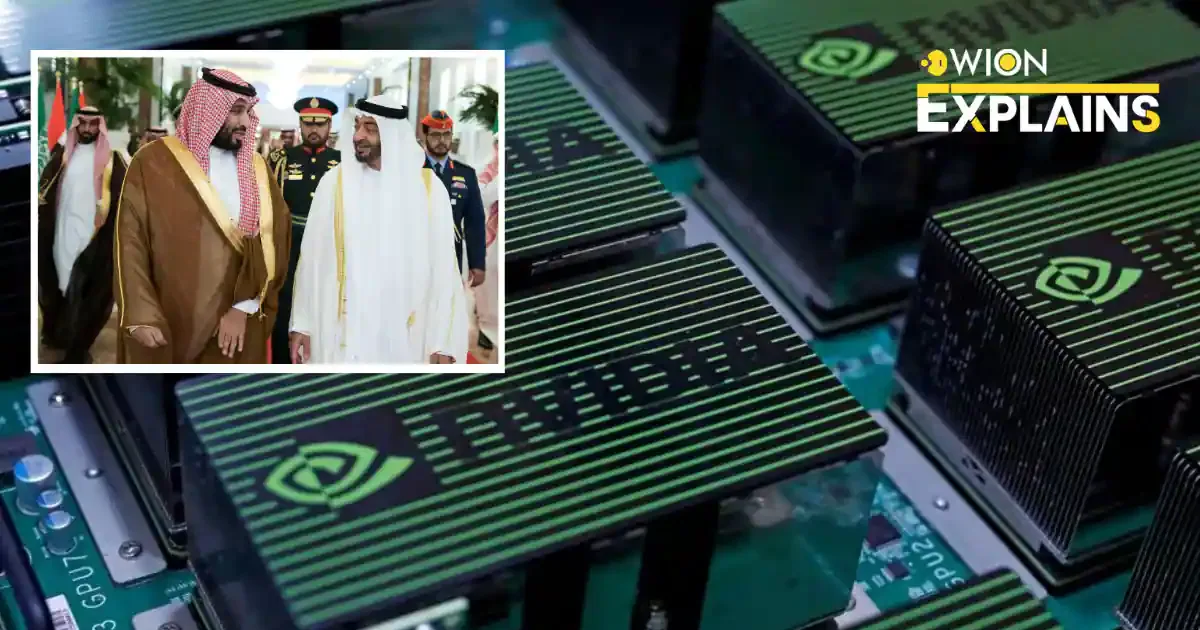
In a world where technological competition intensifies and the global chip shortage crisis worsens, Saudi Arabia is emerging as a new strategic player in the semiconductor industry. With expected investments exceeding 100 billion Saudi riyals by 2030, the Kingdom aims to build an integrated ecosystem spanning from design to manufacturing, targeting 30% self-sufficiency in local needs and exporting surplus production to regional markets. This transformation is not merely an economic investment but a cornerstone of national security in the digital transformation era.
What is Saudi Arabia's Strategy for Entering the Semiconductor Industry?
Saudi Arabia is adopting a multi-faceted strategy to enter the semiconductor industry, based on three main pillars: investment in technological infrastructure, development of specialized human capital, and establishment of strategic international partnerships. This strategy aims to create an integrated regional ecosystem covering chip design, manufacturing, and applications in vital sectors such as communications, artificial intelligence, and cybersecurity. According to data from the Public Investment Fund, 40 billion Saudi riyals have been allocated as a first phase for semiconductor projects under the National Industrial Development and Logistics Program.
The strategy includes establishing a specialized technology city in Riyadh under the Saudi Data and Artificial Intelligence Authority (SDAIA), where the region's first pilot chip manufacturing plant will be built. The Ministry of Communications and Information Technology is also developing specialized training programs in partnership with Saudi universities like King Abdullah University of Science and Technology (KAUST) and King Saud University, aiming to graduate 5,000 semiconductor specialists by 2028.
Saudi Arabia leverages its strategic geographic location and financial capabilities to attract leading global companies, with American company Intel recently announcing its intention to establish a research and development center in the Kingdom, while Taiwanese company TSMC is negotiating to set up a specialized production line for industrial-use chips. Dr. Majid Al-Qasabi, Minister of Communications and Information Technology, says:
"Our investments in semiconductors are not a luxury but a strategic necessity to ensure our technological security and achieve Vision 2030 in building a diverse knowledge-based economy."
How is Saudi Arabia Responding to the Global Chip Shortage?
Saudi Arabia is responding to the global chip shortage by adopting a proactive approach based on diversifying supply sources and developing local manufacturing capabilities. Estimates from the Saudi Arabian Monetary Authority (SAMA) indicate that the global chip shortage cost the Saudi economy approximately 15 billion Saudi riyals over the past two years, due to delays in digital transformation projects and increased import costs. In response, the Kingdom launched the "National Chips" initiative, aiming to reduce reliance on imports by 25% over the next five years.
The Royal Commission for Riyadh City is developing a specialized semiconductor industrial zone spanning 5 square kilometers, equipped with the latest technologies and targeting investments worth 30 billion Saudi riyals. Saudi Aramco also announced an 8 billion Saudi riyal investment in developing specialized chips for the energy sector, including chips for remote sensing control systems and smart detection systems. A study by King Fahd University of Petroleum and Minerals indicates that Saudi Arabia can meet 40% of its specialized chip needs in the oil and gas sector by 2027.
At the regional level, Saudi Arabia is cooperating with Gulf Cooperation Council countries to establish a regional supply chain, with a memorandum of understanding signed with the United Arab Emirates to create a joint research center in Dubai-Riyadh focusing on developing chips compatible with hot climate requirements. Engineer Abdullah Al-Swaha, Chairman of the Saudi Data and Artificial Intelligence Authority, says:
"We are working to build a resilient electronic chip ecosystem that withstands global shocks through smart investments and strategic partnerships."
Why are Semiconductors a Priority for Saudi Technological Security?
Semiconductors are a priority for Saudi technological security because they form the backbone of digital transformation and the Fourth Industrial Revolution. With over 80% of the Kingdom's critical infrastructure relying on electronic systems powered by chips, ensuring a stable and secure supply has become an utmost security necessity. Data from the National Center for Artificial Intelligence indicates that Saudi Arabia currently imports 95% of its electronic chip needs, exposing it to risks of supply disruption and geopolitical impacts.
Saudi Arabia aims to develop customized chips for cybersecurity, with Saudi cybersecurity company "Aminah" working on designing advanced encryption chips in partnership with King Abdulaziz University. The Saudi Armed Forces are also developing specialized chips for defense and surveillance systems, under the "Technological Shield" program targeting 60% self-sufficiency in military system chips by 2030. According to a report from King Abdulaziz City for Science and Technology (KACST), investment in semiconductors yields a security return three times greater than its financial value.
Technological security priorities also include protecting sovereign data, with Saudi Arabia working on developing local processing chips for sensitive data in government and financial sectors. The Ministry of Interior launched the "Secure National Chip" project to secure citizen and resident identities, while the Saudi Arabian Monetary Authority (SAMA) is developing local electronic payment chips to reduce reliance on foreign technologies in the financial system.
What Challenges Face the Emerging Industry in Saudi Arabia?
The emerging semiconductor industry in Saudi Arabia faces several challenges, most notably a shortage of specialized human capital, high investment costs, and fierce global competition. Statistics from the Ministry of Human Resources and Social Development indicate that Saudi Arabia needs 12,000 semiconductor specialists by 2030, while the current number of graduates in this field does not exceed 800 annually. To address this challenge, Saudi universities have launched 15 new academic programs in microelectronics engineering, with full scholarships for outstanding students.
The cost of establishing a fully integrated semiconductor plant reaches 50 billion Saudi riyals, with a long payback period of 10-15 years. To alleviate this burden, the Saudi government offers an incentive package including:
- 10-year tax exemptions for companies operating in the semiconductor sector
- 30% support for research and development costs
- Facilitation in importing specialized equipment and technologies
- Provision of subsidized industrial land in economic cities
Saudi Arabia deals with global competition by specializing in specific domains, focusing on Internet of Things (IoT) chips compatible with hot climates and industrial applications, aiming to carve out a niche in the global market.