
Saudi Arabia Launches First Investment Fund for Sustainable Rare Earth Mining: A Game-Changer in the Mining Sector
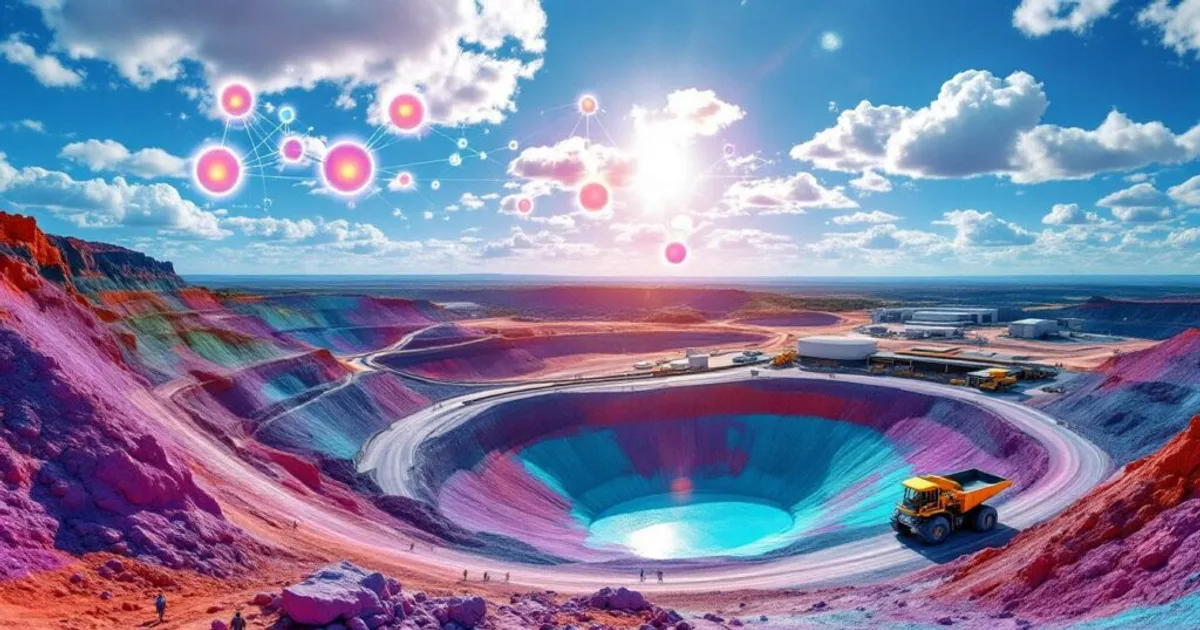
In a historic move that strengthens Saudi Arabia's position as a leading economic power, the first Saudi investment fund specialized in financing sustainable rare earth mining projects was launched today, as part of Vision 2030 aimed at diversifying the economy and enhancing sustainability. This launch comes at a time when the Kingdom is witnessing an unprecedented boom in the mining sector, with Saudi Arabia's rare earth reserves estimated at over $50 billion, according to data from the Saudi Geological Survey. This fund represents a qualitative shift in the Kingdom's strategy to achieve self-sufficiency in strategic resources and reduce reliance on imports.
The first 100 words: The first Saudi investment fund specialized in financing sustainable rare earth mining projects in the Kingdom of Saudi Arabia was launched on 2026-03-18, as part of a national strategy to enhance the mining sector within Vision 2030. The fund aims to finance projects focusing on environmentally responsible extraction and advanced processing technologies, with initial investments reaching 2 billion Saudi riyals. This launch addresses the key question of how the Kingdom is enhancing its economic security through investment in rare and sustainable natural resources.
What are Rare Earth Elements and Why Are They Strategic for Saudi Arabia?
Rare Earth Elements are a group of 17 chemical elements used in advanced technology industries such as electronics, renewable energy, and defense. Saudi Arabia possesses significant reserves of these elements, particularly in regions like the Arabian Shield, making them a strategic resource for achieving Vision 2030 goals. According to a report from the Ministry of Industry and Mineral Resources, the global rare earth market is valued at approximately $10 billion annually and is expected to grow by 8% by 2030. This makes investment in this sector vital for diversifying the Saudi economy.
Key rare earth elements in Saudi Arabia include lanthanum, cerium, and neodymium, which are used in manufacturing wind turbines and electric vehicles. Thanks to investments in geological exploration, the Kingdom has discovered new sites rich in these elements, enhancing its opportunities to become a major player in the global market. This fund is a practical step to transform these resources into added economic value, with a focus on sustainable mining that reduces environmental impacts.
How Does the Saudi Investment Fund Work to Finance Sustainable Mining Projects?
The Saudi investment fund specialized in financing sustainable rare earth mining projects operates as a financing tool managed by the Public Investment Fund in partnership with the private sector. The fund aims to provide capital for projects committed to environmental, social, and governance (ESG) principles, allocating 30% of its investments to small and medium-sized enterprises. According to fund data, initial investments amount to 2 billion Saudi riyals, with plans to expand to 5 billion riyals by 2030.
The fund follows an investment model focusing on financing multiple stages, from exploration to production, with strict environmental compliance requirements. For example, funded projects must achieve a 20% reduction in carbon emissions compared to traditional standards. The fund also provides advisory services from experts in sustainable mining to ensure project success. This integrated approach aims to attract international investors and enhance cooperation with entities like the Saudi Geological Survey.
Why Is Sustainable Mining Central to Saudi Arabia's Vision 2030?
Sustainable mining is central to Vision 2030 because it supports multiple goals, including economic diversification, environmental protection, and job creation. According to National Transformation Program statistics, the mining sector aims to contribute 10% to GDP by 2030, compared to 3% currently. A report from the King Abdullah Petroleum Studies and Research Center indicates that sustainable projects can reduce water consumption in mining by 15%, aligning with the Kingdom's strategy for resource conservation.
The fund focuses on supporting projects that use innovative technologies such as waste recycling and green mining, reducing the environmental footprint. This aligns with initiatives like the Saudi Green Initiative, which aims to achieve carbon neutrality. Additionally, sustainable mining contributes to building a local supply chain for rare earth elements, enhancing economic security and reducing reliance on imports from countries like China, which currently dominates 80% of global production.
Can This Fund Attract Foreign Investment to the Saudi Mining Sector?
Yes, this fund can attract significant foreign investment to the Saudi mining sector, given the promising opportunities and supportive regulatory environment. Data from the Saudi Arabian General Investment Authority (SAGIA) indicates that foreign direct investment in the Saudi mining sector grew by 25% last year and is expected to double with the launch of this fund. The fund offers incentives for international investors, such as facilitated partnerships and environmental guarantees, making it attractive to global companies.
For example, the Kingdom has already collaborated with companies like Rio Tinto and Barrick Gold on mining projects, and this fund could enhance such partnerships. According to economic analysis, the fund is expected to attract an additional 3 billion riyals in private international investment by 2028. This will support technology transfer and job creation, while boosting Saudi Arabia's position as a leading investment destination in the Middle East.
When Will the First Results of the Fund's Projects Appear on the Saudi Economy?
The first results of the fund's projects on the Saudi economy are expected to appear within the next three years, with commercial production operations starting by 2029. According to the fund's plan, the first pilot project in the Riyadh region will be funded by the end of 2026, aiming to produce 500 tons of rare earth elements annually. Forecasts from the Ministry of Industry and Mineral Resources indicate that these projects will contribute to creating 5,000 direct jobs and 10,000 indirect jobs by 2030.
Early results will include improved mining infrastructure and increased non-oil exports. In the long term, the fund is expected to raise the mining sector's contribution to GDP by 2% by 2030. This accelerated timeline reflects the Kingdom's commitment to achieving Vision 2030 goals, with continuous monitoring from bodies like the Mining Regulatory Authority to ensure quality and sustainability.
How Does the Fund Contribute to Achieving Economic and Environmental Security for the Kingdom?
The fund contributes to achieving economic and environmental security for the Kingdom by promoting self-sufficiency in rare earth elements and reducing the environmental impacts of mining. Economically, the fund reduces Saudi Arabia's dependence on imports,