
The Red Sea tourism project in 2026: what is open, what comes by 2030, and the one-million visitor cap
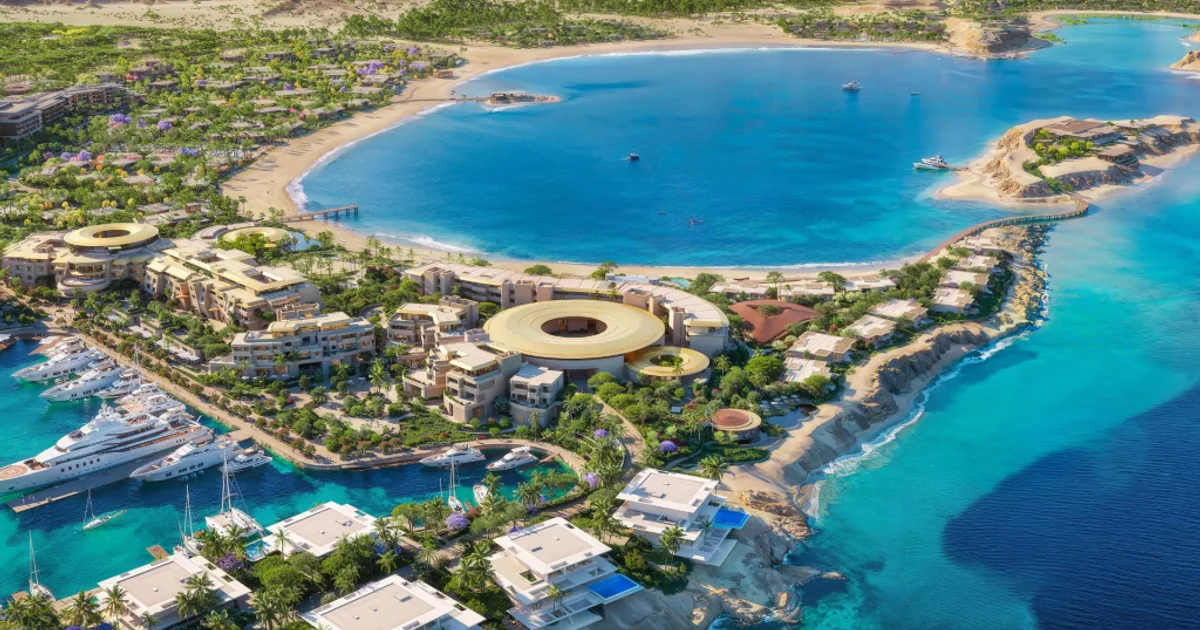
In a scene representing a radical transformation in Saudi Arabia's tourism sector, the world's attention is turning toward the Red Sea Project, one of the largest luxury eco-tourism projects globally. With investments exceeding 50 billion Saudi riyals, the Kingdom of Saudi Arabia is preparing to welcome one million visitors annually by 2030, through the development of 90 natural islands and unique coastal sites spanning an area of 28,000 square kilometers. This giant project not only aims to boost the tourism economy but also serves as a pioneering model for sustainable tourism that preserves the unique marine and terrestrial environment of the region.
What is the Red Sea Tourism Project and Why is it Central to Vision 2030?
The Red Sea Tourism Project is considered one of the flagship projects within the Quality of Life Program, a fundamental pillar of Saudi Arabia's Vision 2030. The project aims to transform the Kingdom's western coast into a global luxury and sustainable tourism destination, relying on the region's unique natural resources. It extends from the city of AlUla in the north to the city of Al Wajh, including the development of 22 out of 90 natural islands in the first phase, while preserving 75% of the islands as environmentally protected areas. According to The Red Sea Global, the project operator, the primary goal is to achieve a balance between tourism development and environmental preservation, with plans for the project to rely entirely on 100% renewable energy and achieve carbon neutrality by 2030.
How is Saudi Arabia Preparing to Welcome One Million Annual Visitors by 2030?
Saudi Arabia's preparations to welcome one million annual visitors by 2030 include a comprehensive set of measures and massive investments. First, developing integrated infrastructure that includes the Red Sea International Airport, which partially began operations in 2023 and can accommodate one million passengers annually in its first phase. Second, building a network of luxury hotels and resorts with a capacity of up to 8,000 hotel rooms and 1,300 residential units by 2030, in partnership with major global brands such as Ritz-Carlton Hotels & Resorts and Four Seasons. Third, developing sustainable transportation systems within the destination, including a fleet of electric vehicles and hybrid boats, to reduce carbon emissions. Fourth, establishing visitor centers and interactive museums that highlight the region's natural and cultural heritage, enhancing the visitor's educational and entertainment experience.
What Luxury Islands and Sustainable Eco-Destinations are Being Developed?
The development of luxury islands and sustainable eco-destinations in the Red Sea Project includes several key sites designed according to the highest standards of sustainability and luxury. Among the most prominent islands is Shura Island, being developed as a luxury tourism destination featuring five-star resorts and advanced recreational facilities, while preserving the surrounding coral reefs and marine ecosystems. Similarly, Ummahat Island focuses on eco-tourism, offering diving and exploration experiences of the unique marine biodiversity. Additionally, the Desert Resort is being developed as the world's first desert resort to achieve LEED Platinum certification for sustainability, relying on natural cooling technologies and architectural design that harmonizes with the desert environment. According to data from The Red Sea Global, 92% of the construction materials used in the project are locally manufactured, contributing to supporting the local economy and reducing the carbon footprint of transportation.
Why Does the Project Focus on Environmental Sustainability and How is it Achieved?
The Red Sea Project focuses on environmental sustainability due to the region's immense environmental value, which includes over 200 species of coral reefs and more than 1,000 fish species, along with nesting sites for endangered sea turtles. To achieve sustainability, the project has adopted several innovative strategies. First, using 100% renewable energy by establishing the world's largest battery energy storage station with a capacity of 1,200 megawatt-hours, supported by solar and wind power plants. Second, developing advanced systems for water treatment and reuse, with plans to recycle 100% of solid waste into energy or reusable materials. Third, establishing an environmental research center in partnership with King Abdullah University of Science and Technology (KAUST) to monitor ecosystems and develop innovative solutions for their preservation. According to a report from the Saudi Tourism Authority, the project contributes to increasing protected areas in the Kingdom by 30% by 2030.
Will the Project Impact the Saudi Economy and the Future of Tourism in the Region?
Yes, the Red Sea Project is expected to significantly contribute to the Saudi economy and the future of tourism in the region. According to studies conducted by the Saudi Ministry of Tourism, the project is projected to add 22 billion Saudi riyals to the GDP annually by 2030 and provide over 70,000 direct and indirect job opportunities, with a focus on job localization by targeting 50% of the workforce from Saudis. Additionally, the project enhances economic diversification away from oil dependence, contributing to increasing the tourism sector's share of GDP to 10% by 2030, compared to 3% in 2020. At the regional level, the project serves as a model for sustainable tourism, attracting foreign direct investments estimated at $15 billion and promoting cooperation with Gulf Cooperation Council countries in eco-tourism. According to statistics from the Saudi General Authority for Statistics, the number of international tourists in the Kingdom increased by 40% in 2025 compared to 2020, with expectations of reaching 10 million tourists annually by 2030.
When Will the Main Phases of the Project Open and What Challenges Does it Face?
The main phases of the Red Sea Project are opening in multiple stages, with the first phase partially completed in 2023 with the opening of the Red Sea International Airport and three hotel resorts. It is planned to open 16 additional hotels by the end of 2026, bringing the total hotel capacity to 3,000 rooms. By 2028, the development of 22 islands and the opening of 50 hotels and resorts are expected to be completed, to accommodate 500,000 visitors annually. The ultimate goal of welcoming one million visitors annually is expected to be achieved by 2030 with the completion of all phases. The project faces several challenges, including environmental challenges such as preserving fragile ecosystems during construction, where floating construction technologies have been developed to reduce impact on the seabed. Additionally, logistical challenges related to providing infrastructure in a remote area have necessitated additional investments in road and communication networks. According to statements from The Red Sea Global, 5% of the project's budget has been allocated to environmental research and development to overcome these challenges.
How Can Visitors Benefit from the Project's Unique Experiences?
Visitors can benefit from the Red Sea Project's unique experiences through a variety of activities designed to