
Interactive Heritage Tourism in Diriyah and Saudi Historic Cities: What Is Actually Documented in 2026
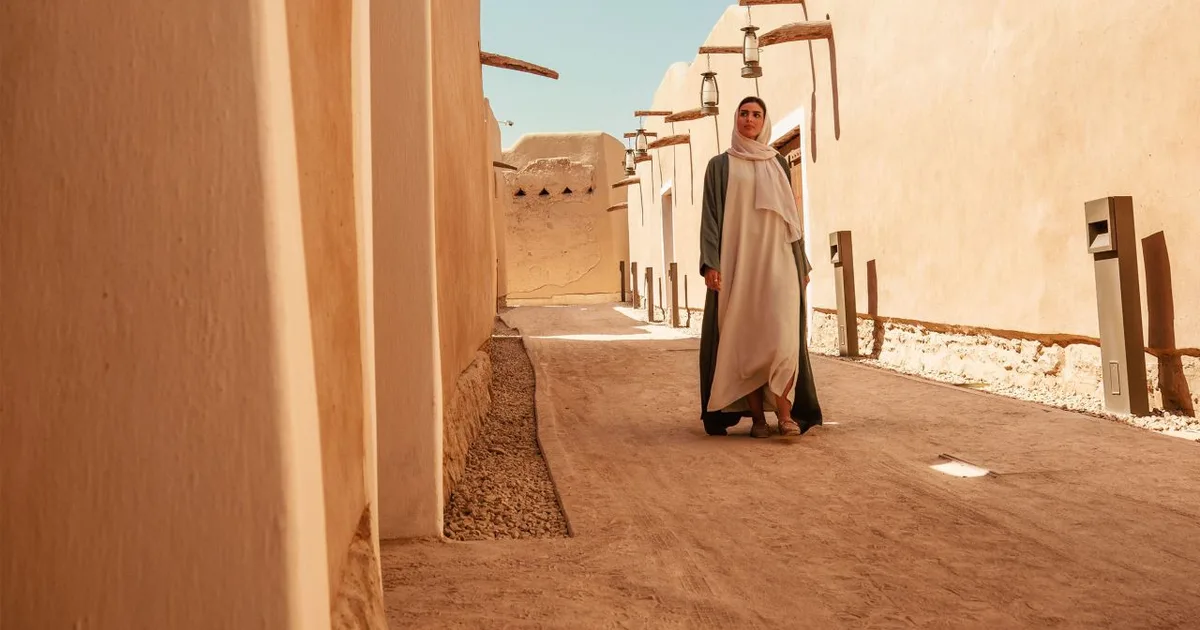
In 2026, the Kingdom of Saudi Arabia is witnessing a radical transformation in the heritage tourism sector, as historical sites evolve from mere traditional visit spots into immersive interactive spaces that revive history in innovative ways. According to data from the Saudi Tourism Authority, the percentage of visitors preferring interactive experiences at heritage sites has increased by 65% over the past two years, reflecting a surge in demand for smart tourism. This shift is driven by the integration of advanced technologies such as Augmented Reality (AR), Virtual Reality (VR), and Artificial Intelligence (AI), which enrich visitor experiences in cities like historic Diriyah, AlUla, historic Jeddah, and other UNESCO World Heritage-listed sites.
What is Interactive Heritage Tourism and How Does It Work in Saudi Arabia?
Interactive heritage tourism is a modern concept that combines cultural heritage preservation with technology to create immersive experiences for visitors. In Saudi Arabia, this phenomenon is transforming historical sites into living spaces that narrate stories of the past through interactive methods. For example, in the Turaif district of Diriyah, visitors can use smartphone applications equipped with augmented reality technology to view 3D reconstructions of forts and palaces as they were during the era of the First Saudi State, with the ability to interact with historical figures via smart interfaces.
These experiences rely on a network of sensors and smart cameras distributed across the sites, which collect real-time data to adapt content to visitor movements. AI algorithms are also used to analyze visitor behaviors and provide personalized recommendations, such as suggesting tour routes based on individual interests. This approach is not limited to entertainment alone but extends to education, making school visits to these sites more effective in conveying historical knowledge.
How Do Augmented and Virtual Reality Technologies Contribute to Reviving Saudi History?
Augmented Reality (AR) and Virtual Reality (VR) technologies play a pivotal role in interactively reconstructing historical scenes. In AlUla, for instance, the Royal Commission for AlUla, in partnership with Saudi technology companies like Tatweer, has developed a system using augmented reality to vividly display ancient rock inscriptions, where visitors can point their phones at rocks to see animated graphics explaining the meanings of the inscriptions in multiple languages. VR headsets also provide immersive experiences such as "Walking in the Ancient Kingdom of Dadan," which recreates daily life from thousands of years ago.
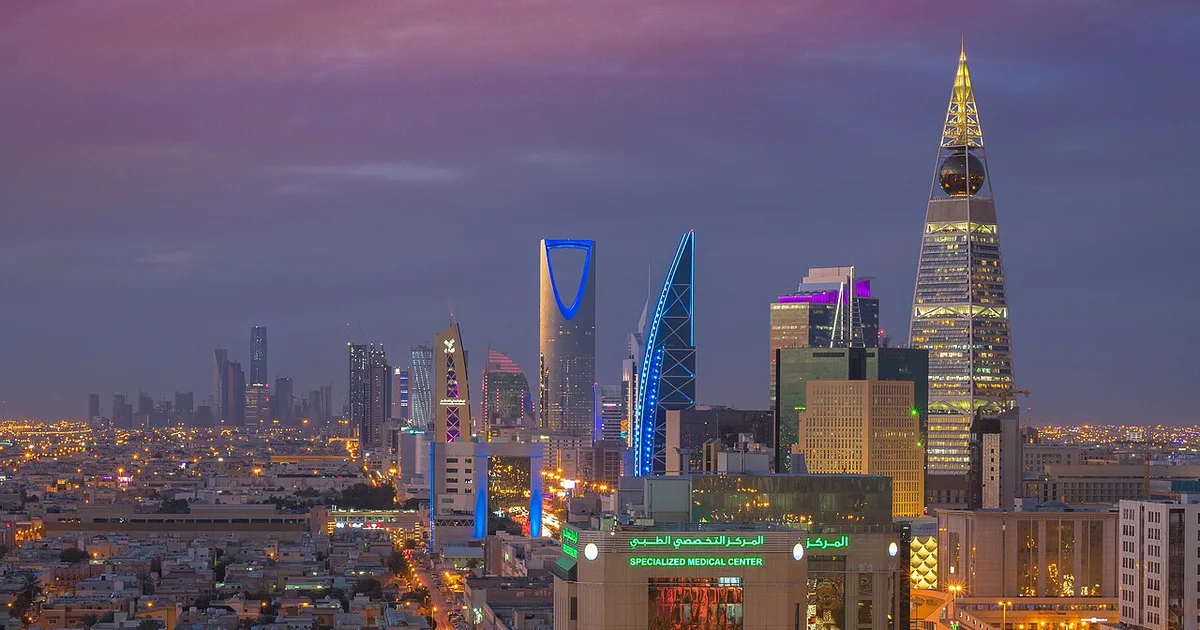
Statistics from the Saudi Data and AI Authority (SDAIA) indicate that the use of these technologies has increased visitor dwell time at heritage sites by 40% and raised satisfaction levels to 85%. These technologies are not solely reliant on visual display but also include sound effects and vibrations that mimic historical atmospheres, creating a full sensory experience. In historic Jeddah, virtual tours have been developed allowing visitors from around the world to explore sites remotely, expanding the target audience.
Why is Diriyah a Leading Model in Interactive Heritage Tourism?
Historic Diriyah, the capital of the First Saudi State, stands out as a distinguished model in integrating technology with heritage, with the Diriyah Development Authority investing over 500 million Saudi riyals in digital transformation projects for the site. According to a report from the authority, more than 1,000 smart devices have been installed throughout the Turaif district, including interactive screens and 5G communication towers supporting high-speed data transfer. This infrastructure has enabled the development of experiences like "Journey Through Time," which uses AI to create interactive dialogues with simulated historical figures.
This model benefits from collaboration with Saudi entities such as the Ministry of Culture and the Quality of Life Program, where experiences are designed to enhance national identity. Data indicates that Diriyah attracted over one million visitors in 2025, a 70% increase compared to the previous year, with a notable rise in the proportion of international visitors. This success is attributed to a comprehensive strategy combining precise architectural restoration with advanced technological applications, making Diriyah a global destination for smart cultural tourism.
Can Artificial Intelligence Replace Traditional Tour Guides?
Artificial intelligence is not intended to replace human tour guides but to enhance their role and provide complementary experiences. In Saudi historical cities, AI systems, such as those developed by King Abdullah University of Science and Technology (KAUST), are used to analyze visitor flows and provide real-time information to guides, enabling them to better customize tours. For example, at sites like Al Masmak Palace in Riyadh, smart robots equipped with facial recognition technology offer personalized welcomes to visitors, while human guides remain responsible for detailed explanations.

A study conducted by the Saudi Tourism Authority indicates that 60% of visitors prefer a combination of human interaction and technology, considering that AI adds value by providing instant translations or answers to frequently asked questions. This hybrid approach reduces pressure on guides and improves service quality while preserving the human element, which is essential in heritage tourism. AI also contributes to collecting data on visitor interests, aiding in the development of future content.
When Will These Technologies Cover All Historical Cities in Saudi Arabia?
Saudi Vision 2030 aims to generalize the interactive heritage tourism model to all historical cities in the Kingdom by 2030, with phased plans underway. According to the Ministry of Tourism, these technologies have so far been implemented in 15 heritage sites, including Diriyah and AlUla.