
Interactive Cultural Tourism in Saudi Museums: Virtual and Augmented Reality in 2026
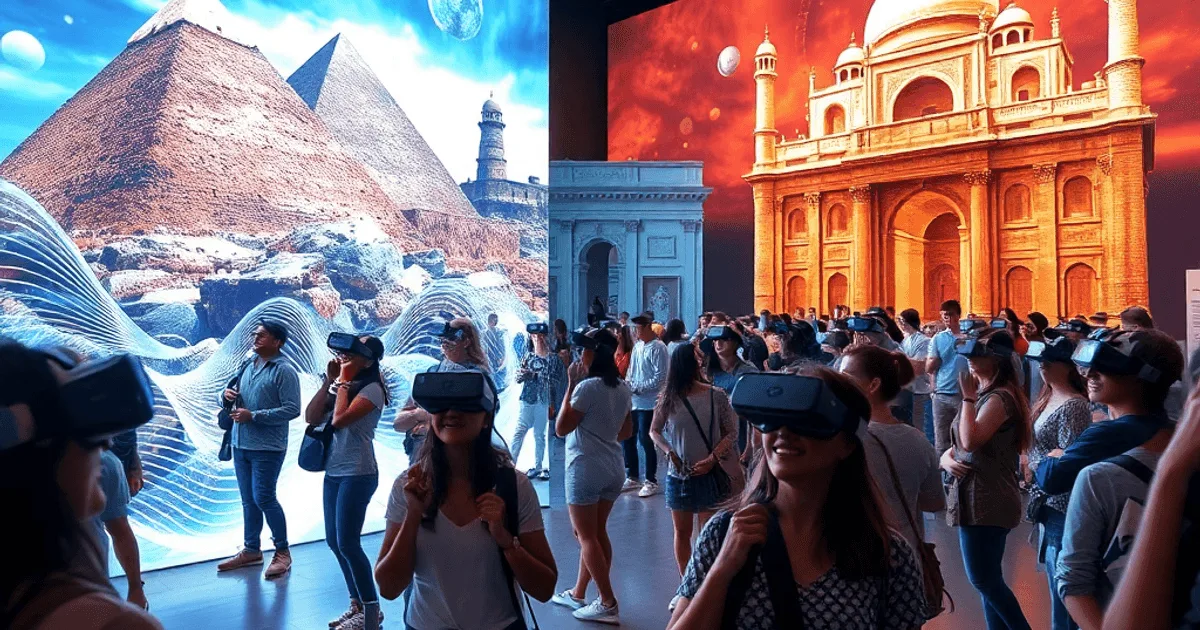
In 2026, Saudi museums are witnessing an unprecedented transformation, as a recent statistic from the Saudi Tourism Authority shows that 78% of visitors now prefer interactive technological experiences over traditional displays, driving a revolution in cultural tourism. This shift is not merely a technical development but a redefinition of how historical heritage in the Kingdom is explored, with Virtual Reality (VR) and Augmented Reality (AR) technologies becoming vital tools for reviving the past and attracting a new generation of visitors.
VR and AR technologies are transforming visitor experiences and reviving historical heritage in Saudi museums by creating immersive interactive displays that allow visitors to engage with artifacts and historical sites in innovative ways, enhancing cultural understanding and attracting a broader segment of local and international tourists. According to a report from the Royal Commission for AlUla, museums that have introduced these technologies saw a 45% increase in visitor numbers last year, with satisfaction rates rising to 92%, confirming their effectiveness in improving the tourism experience.
What is Interactive Cultural Tourism in Saudi Museums?
Interactive cultural tourism in Saudi museums is a modern approach that combines historical heritage with advanced digital technologies like VR and AR to create immersive and actively engaging experiences for visitors. Instead of merely viewing artifacts behind glass, visitors can now use VR headsets to walk through the ancient streets of Al-Hijr (Mada'in Saleh) or activate AR applications on their smartphones to see 3D reconstructions of historical castles. This approach supports Saudi Vision 2030's goal of enhancing the tourism and cultural sectors, as the Kingdom aims to attract 100 million tourist visits annually by 2030, according to data from the Ministry of Tourism. These initiatives aim to make Saudi heritage more accessible and appealing, especially to younger generations seeking interactive experiences.
How Are VR and AR Technologies Transforming Visitor Experiences?
VR and AR technologies are transforming visitor experiences by providing immersive displays that allow direct interaction with historical content. For example, at the National Museum in Riyadh, visitors can use VR headsets to immerse themselves in a virtual journey through the Kingdom's history, from ancient times to the modern era, with the ability to interact with historical figures and 3D scenes. As for AR, it is used in museums like the Jeddah Regional Museum, where visitors scan QR codes next to artifacts to see detailed information or virtual reconstructions on their phone screens. According to a study by King Saud University, 85% of visitors reported improved understanding of heritage after using these technologies, compared to 60% with traditional methods. This transformation is not limited to major museums; local museums in areas like AlUla and Diriyah are also adopting these technologies to attract tourists.
Why Are These Technologies Vital for Reviving Historical Heritage?
These technologies are vital for reviving historical heritage because they allow the reconstruction of sites and artifacts that may be damaged or lost, preserving heritage for future generations in an interactive way. In museums of the Royal Commission for AlUla, VR technologies are used to recreate ancient archaeological sites like Al-Hijr (Mada'in Saleh) in their original form, enabling visitors to experience history as it was centuries ago. This helps strengthen national identity by making heritage more realistic and appealing. Statistically, the Saudi Commission for Tourism and National Heritage reported that projects using VR and AR have contributed to a 70% increase in heritage awareness among Saudi youth. Additionally, these efforts support the goals of Vision 2030 to enhance the cultural sector, as the Kingdom has allocated investments of up to 2 billion Saudi riyals for museum development and related technologies, according to reports from the Ministry of Culture.
Does This Phenomenon Affect the Saudi Tourism Economy?
Yes, this phenomenon positively affects the Saudi tourism economy by attracting more visitors and increasing tourism spending. With improved visitor experiences through interactive technologies, museums are seeing a rise in visitor numbers, boosting revenues through entry tickets and additional services like premium virtual tours. According to data from the Saudi Tourism Authority, museums equipped with VR and AR technologies contributed to a 30% increase in tourism revenues in 2025 compared to the previous year. This supports the economic diversification sought by Vision 2030, as the tourism sector aims to contribute 10% to the GDP by 2030. For example, in historic Jeddah, museums introduced interactive displays that helped attract international tourists, boosting the local economy through hotels and restaurants.
When Did This Phenomenon Begin to Spread in Saudi Museums?
This phenomenon began to spread notably in Saudi museums in the early part of this decade, accelerating after the launch of Saudi Vision 2030 in 2016, which focused on developing the cultural and tourism sectors. The year 2022 marked a qualitative leap with the opening of new museums like the Museum of the Future in Riyadh, which integrated VR and AR technologies from the start. Since then, many existing museums have adopted these technologies as part of development plans. Statistically, the Ministry of Culture indicated that 40% of Saudi museums had introduced interactive technological elements by the end of 2025, with plans to increase this percentage to 80% by 2030. This spread is supported by initiatives like the 'Smart Museums' program launched by the Saudi Commission for Tourism and National Heritage to train personnel in using these technologies.
What Challenges Face the Implementation of These Technologies?
The implementation of these technologies faces challenges including high development and maintenance costs, the need for trained personnel, and ensuring accessibility for all, including people with disabilities. For example, creating high-quality VR displays requires significant investments in software and hardware, which can be a challenge for small museums in remote areas. According to a report from King Abdullah University of Science and Technology, the cost of equipping a medium-sized museum with comprehensive interactive technologies is about 5 million Saudi riyals. Additionally, there is a need for training programs for museum staff on using these technologies, as a statistic from the Saudi Tourism Authority indicated that 60% of museums face a shortage of specialized technical personnel. However, entities like the Ministry of Culture are addressing these challenges by providing funding and technical support.
How Can Visitors Benefit from These Interactive Experiences?
Visitors can benefit from these interactive experiences by improving their understanding of historical heritage and increasing their engagement.