
Saudi Arabia's Floating Solar Power: A Green Revolution on Water Advancing Vision 2030
Introduction: The Solar Power Revolution on Water
As the Kingdom of Saudi Arabia undergoes a historic shift toward renewable energy, floating solar power projects are emerging as an innovative solution that addresses the dual challenges of water and land scarcity while advancing clean energy ambitions. According to the Ministry of Energy, Saudi Arabia aims to generate 50% of its electricity from renewable sources by 2030, with floating projects forming a cornerstone of this strategy, as they can increase power generation efficiency by up to 15% compared to traditional ground-based systems.
What Are Floating Solar Power Projects in Saudi Arabia?
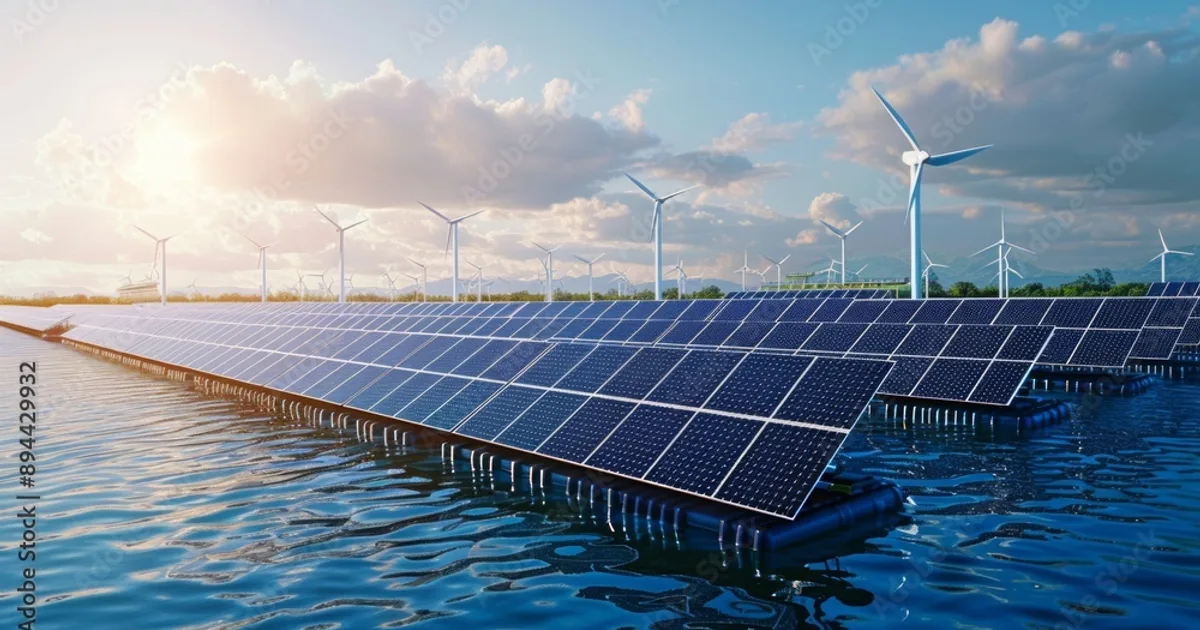
Floating solar power projects involve installing solar panels on floating platforms in water bodies such as reservoirs and dams, rather than on dry land. In Saudi Arabia, where water scarcity and limited arable land pose significant challenges, this technology offers a smart solution to enhance resource efficiency. The Kingdom has begun developing these projects as part of Vision 2030, which aims to diversify energy sources and reduce reliance on oil. A notable example is a pilot project at King Fahd Dam in the Asir region, launched by the National Water Company in collaboration with the Ministry of Energy, where floating solar panels have been installed to generate electricity while reducing water evaporation by up to 70%.

How Do Floating Solar Projects Enhance Water and Land Use Efficiency?
Floating solar projects improve water use efficiency by reducing evaporation from reservoirs and dams, as the solar panels act as a barrier limiting direct sunlight exposure on the water surface. Studies indicate this technology can cut water evaporation by 30-70%, which is vital in a country facing water resource scarcity. Regarding land, these projects free up vast areas that can be used for other purposes such as agriculture or urban development, instead of being allocated to traditional solar power plants. According to data from the Royal Commission for Riyadh City, a single floating project can save the equivalent of 1,000 hectares of land, supporting sustainability goals under Vision 2030.
Why Is Saudi Arabia Investing in Floating Solar Power Under Vision 2030?
Saudi Arabia is investing in floating solar projects to achieve multiple objectives aligned with Vision 2030. First, these projects contribute to diversifying energy sources, as the Kingdom aims to generate 50% of its electricity from renewables by 2030, according to the Ministry of Energy strategy. Second, these investments support water security by reducing evaporation, which is crucial amid water scarcity. Third, they enhance land use efficiency by freeing up space for other purposes. Estimates from the Public Investment Fund suggest that investments in renewables, including floating projects, could reach $50 billion by 2030, supporting the transition to a green economy.
Do Floating Solar Projects Face Technical Challenges in Saudi Arabia?
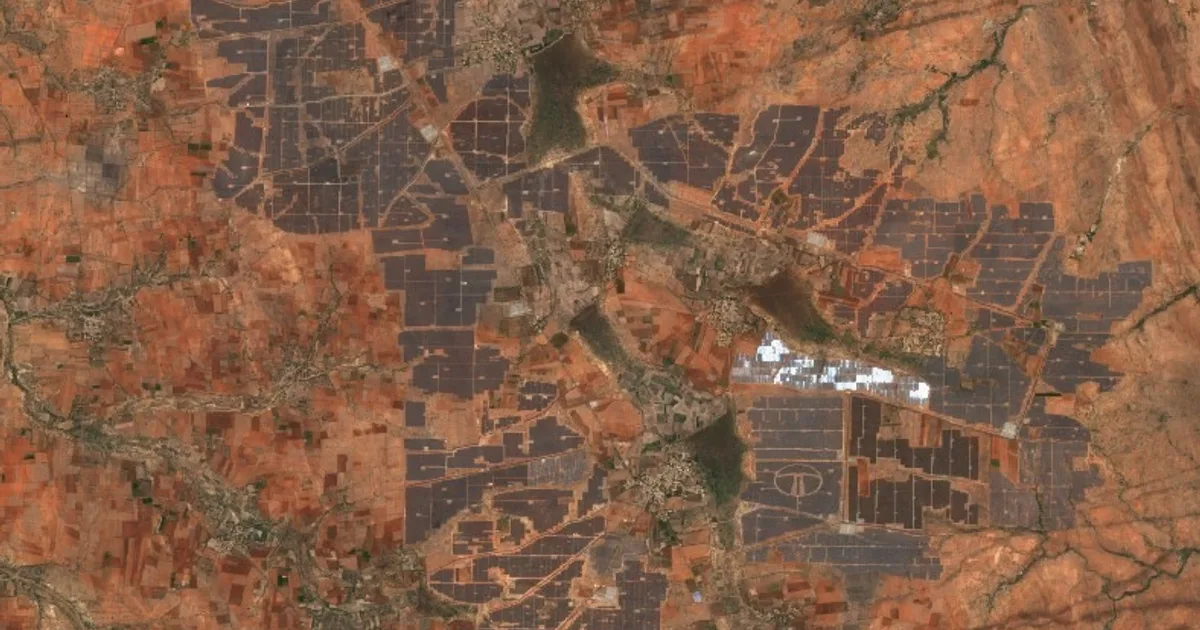
Yes, floating solar projects in Saudi Arabia face technical challenges related to the harsh desert environment. These include dust accumulation on solar panels, which can reduce efficiency by up to 25% if not regularly maintained, according to studies by the King Abdullah City for Atomic and Renewable Energy. Additionally, floating platforms require corrosion-resistant materials due to high salinity in some reservoirs, increasing maintenance costs. However, Saudi Arabia is developing innovative solutions, such as automated cleaning systems for solar panels, in collaboration with global companies like ACWA Power, to ensure the long-term sustainability of these projects.
When Does Saudi Arabia Expect to Achieve Its Floating Solar Goals?
Saudi Arabia expects to make significant progress in floating solar projects by 2030, as part of Vision 2030 objectives. According to the Ministry of Energy plan, several major projects are scheduled to launch in the coming years, including one at Wadi Baysh Dam in the Asir region, expected to begin operation by 2028. Estimates indicate that the total capacity of floating projects could reach 1 gigawatt by 2030, contributing to clean electricity generation sufficient to power 200,000 homes annually. This timeline aligns with the Kingdom's strategy to achieve carbon neutrality by 2060.
How Do Floating Solar Projects Support the Saudi Economy and Environment?
Floating solar projects support the Saudi economy by creating new job opportunities in engineering and renewable energy sectors, with estimates from the General Authority for Statistics suggesting the renewable energy sector could provide 750,000 jobs by 2030. They also contribute to reducing carbon emissions, as a 100-megawatt floating project can cut emissions by 150,000 tons annually, according to data from the National Renewable Energy Center. Environmentally, these projects help conserve water resources and reduce pressure on land, supporting sustainable development in the Kingdom.
Conclusion: A Bright Future for Floating Solar Power in Saudi Arabia
Floating solar projects in Saudi Arabia represent a pioneering step toward achieving Vision 2030 goals in renewable energy and sustainability. By combining water and land use efficiency, this technology offers an innovative solution to environmental and economic challenges. With continued investments and technical development, Saudi Arabia is expected to become a regional leader in this field, supporting its transition to a green economy and sustainable future. As Energy Minister Prince Abdulaziz bin Salman stated: "Renewable energy is not an option, but a necessity for the Kingdom's future," and floating projects clearly embody this direction.