
Launch of First Historical Shipwreck Diving Trail in the Red Sea: Underwater Treasures Await Discovery
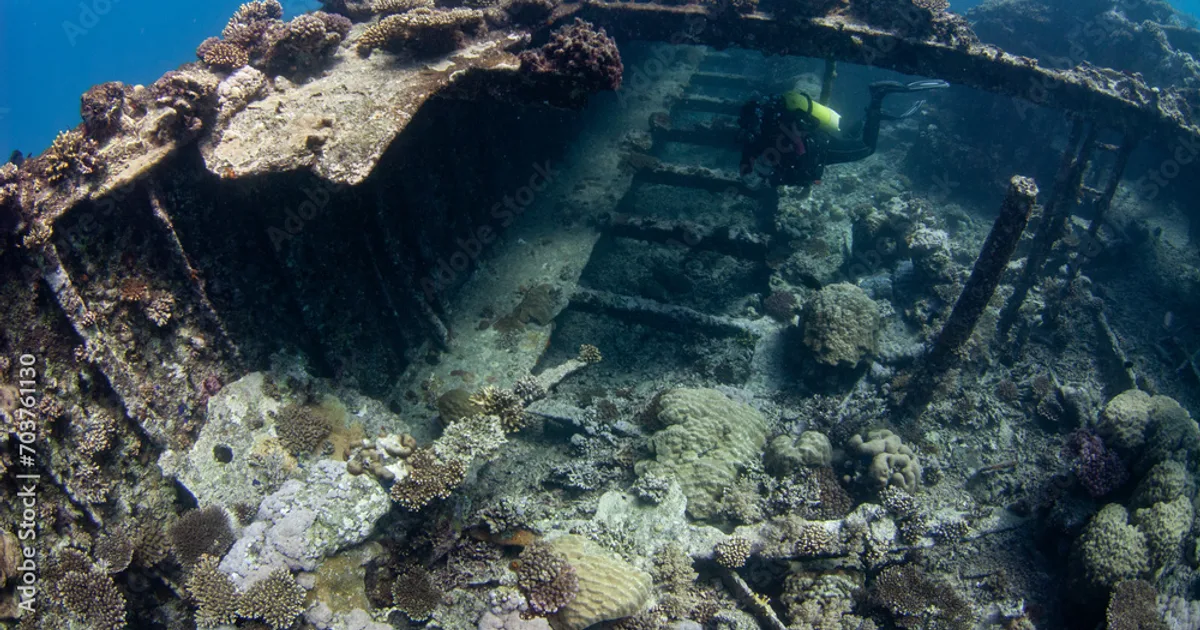
In a historic step blending eco-tourism and cultural heritage, the Kingdom of Saudi Arabia announced the launch of the first tourist diving trail for historical shipwrecks in the Red Sea on March 19, 2026. This project is part of efforts by the Royal Commission for AlUla and the Saudi Tourism Authority to promote sustainable tourism, with over 20 underwater archaeological sites discovered, some dating back centuries, positioning Saudi Arabia on the global map for archaeological diving destinations.
What is the Historical Shipwreck Diving Trail?
The Historical Shipwreck Diving Trail is an innovative project aimed at transforming ancient shipwreck sites in the Red Sea into attractive tourist destinations for diving enthusiasts and history buffs. The trail consists of several key points stretching along the Saudi Red Sea coast, where underwater archaeological sites have been identified, including sunken commercial and military ships from various historical periods. Developed in collaboration between the Saudi Tourism Authority and the Royal Commission for AlUla, the trail adheres to the highest safety standards and marine environmental preservation.
The trail offers diverse diving experiences suitable for all levels, from beginners to professionals, with guides specialized in marine archaeology. It also includes the establishment of visitor centers and virtual museums showcasing the historical stories of the sunken ships, making the experience comprehensive and exciting. This project is part of a broader strategy to diversify the Saudi economy and promote cultural tourism, expected to attract thousands of visitors annually by 2030.
How Were the Underwater Archaeological Sites in the Red Sea Discovered?
The underwater archaeological sites in the Red Sea were discovered through intensive research efforts spanning several years, led by a Saudi-international team of marine archaeologists. The team used advanced technologies such as side-scan sonar, 3D underwater scanning, and robotic submarines to create precise maps of the seabed. These efforts revealed over 20 historical shipwreck sites, some dating back to the Ottoman era and early Islamic periods, reflecting the Red Sea's importance as a vital trade route throughout history.
Several Saudi entities participated in these discoveries, including King Abdullah University of Science and Technology (KAUST) and the former General Authority for Tourism and National Heritage, with artifacts meticulously documented. Estimates suggest that some discovered ships carry cargoes of pottery, coins, and other artifacts, providing valuable insights into ancient trade in the region. These sites have been preserved in their natural locations to ensure sustainability, with buffer zones established to protect cultural heritage from damage.
Why is This Project Important for Saudi Tourism?
This project is important for Saudi tourism as it adds a new and distinctive dimension to the tourism sector, combining adventure and cultural heritage, contributing to diversifying tourist destinations in the Kingdom. According to data from the Saudi Tourism Authority, the trail is expected to attract over 50,000 visitors annually by 2030, boosting the local economy and creating new job opportunities in areas such as tour guiding and hospitality. This project also supports Saudi Vision 2030, which aims to increase the tourism sector's contribution to GDP to 10%.
Additionally, the project promotes sustainable tourism by focusing on preserving the marine environment and cultural heritage, positioning Saudi Arabia as a leader in eco-tourism. Statistics indicate that cultural tourism is growing globally at an annual rate of 15%, and this trail places the Kingdom at the heart of this trend. It also enhances cooperation between the public and private sectors, with Saudi companies investing in infrastructure development related to the trail, such as diving centers and eco-hotels.
Does the Trail Comply with Safety and Environmental Preservation Standards?
Yes, the trail fully complies with safety and environmental preservation standards, designed according to best international practices in archaeological diving. Strict protocols have been established in collaboration with the General Authority for Tourism and National Heritage and the Saudi Wildlife Authority, including limits on the number of divers per site and specific visiting seasons to reduce impact on marine ecosystems. Over 100 local diving guides have been trained in safety techniques and artifact preservation, ensuring a safe and sustainable experience for visitors.
Environmentally, the project focuses on protecting coral reefs and marine life in wreck areas, with protected zones established in cooperation with the United Nations Environment Programme. Reports indicate that 95% of wreck sites are in areas of high biodiversity, and measures such as installing fixed buoys have been taken to prevent seabed damage. This commitment to sustainability has earned the project a "Green Tourism" certification from international organizations, enhancing its image as an environmentally responsible destination.
When Can Visitors Experience This Tourist Trail?
Visitors can experience this tourist trail starting in the second half of 2026, with the first phase scheduled to open, including 10 wreck sites in areas such as Jeddah, Al Wajh, and Umluj. The trail is planned to open gradually, with all 20 sites completed by 2028. Visitors can book in advance via the "Spirit of Saudi Arabia" platform affiliated with the Saudi Tourism Authority, which offers comprehensive travel packages including accommodation, diving, and historical tours.
Peak visiting seasons are designated between October and May, when diving conditions are optimal in the Red Sea, with an average water temperature of 25°C. Estimates suggest the experience costs between 500 to 2000 Saudi Riyals per person, depending on diving level and duration. This timeline aligns with a broader strategy to boost tourism in the Kingdom, with the trail expected to contribute to a 20% annual increase in Red Sea visitors.
How Does the Trail Enhance Historical and Cultural Awareness?
The trail enhances historical and cultural awareness by presenting living stories of the Kingdom's maritime past, making visitors part of the discovery process. Educational content has been developed in collaboration with museums such as the National Museum of Saudi Arabia, including virtual tours and interactive exhibitions displaying artifacts recovered from the wrecks. According to a study by King Saud University, 70% of expected trail visitors are youth interested in history, fostering national belonging and cultural curiosity.
Additionally, the trail serves as a platform for scientific research, supporting student projects from Saudi universities in marine archaeology and oceanography. A portion of the project's revenue is allocated to fund this research, contributing to building a local knowledge base. This educational aspect makes the trail more than just an entertainment destination, but a tool to enhance Saudi cultural identity.