
Digital Volunteering in Saudi Society: How Youth Use Social Media to Organize Charity and Volunteer Initiatives in Remote Areas
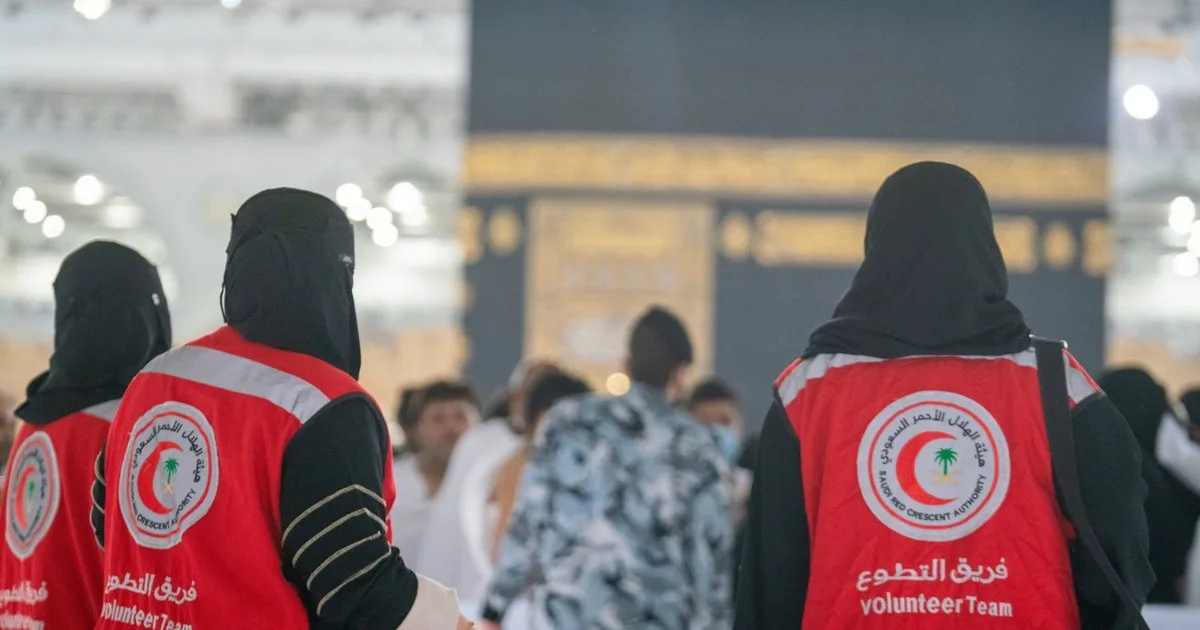
In 2026, the Kingdom of Saudi Arabia is witnessing a qualitative shift in volunteer work, with 78% of charitable initiatives in remote areas being organized through social media platforms, according to a report from the Saudi Statistics Center. This digital transformation has not only facilitated access to distant regions but has also revolutionized how Saudi youth engage with community issues, turning smartphones into platforms for social change.
Digital volunteering in Saudi society involves using social media platforms and digital technologies to organize and coordinate charitable and volunteer initiatives, especially in remote areas that are difficult to access. This phenomenon is clearly evident in 2026, as Saudi youth use applications like Twitter, Instagram, Telegram, and WhatsApp to create virtual volunteer groups, identify needs in distant villages and hamlets, collect donations, coordinate field teams, and raise awareness of social issues. This new model transcends geographical boundaries, allowing volunteers from various cities across the Kingdom to participate in initiatives targeting areas they may never visit in person, thereby expanding the scope of charitable work unprecedentedly.
What is Digital Volunteering and How Has It Evolved in Saudi Arabia?
Digital volunteering refers to the use of digital technologies and the internet to contribute to volunteer and charitable work without the need for constant physical presence. In Saudi Arabia, this phenomenon has gained momentum with the spread of smartphones and high internet usage rates, reaching 98% among Saudi youth according to data from the Communications and Information Technology Commission (CITC) in 2025. Digital volunteering has evolved from merely posting awareness content to an integrated system that includes strategic planning, project management, communication with beneficiaries, and even remote training for volunteers in remote areas.
One of the key factors contributing to this development is Saudi Vision 2030, which has placed significant emphasis on volunteer work as a pillar of community development. The Ministry of Human Resources and Social Development, in collaboration with the Ithra Center, launched online training programs to enhance digital volunteering skills. Additionally, 2025 saw the launch of the official "Tawwakol" platform, which registered over 500,000 digital volunteers in its first year, according to ministry statistics.
How Do Saudi Youth Use Social Media Platforms to Organize Initiatives?
Saudi youth use a variety of social media platforms in creative ways to organize volunteer initiatives. On Twitter, specific hashtags are created for each initiative, such as #Volunteer_South or #Charity_Najran, to gather volunteers and share updates. A study conducted by King Saud University in 2025 indicates that 65% of volunteer initiatives in remote areas start with a hashtag on Twitter, attracting an average of over 10,000 interactions.
On Instagram, Stories and Live broadcasts are used to visually showcase the needs of remote areas, with viewership for this content reaching 3 million monthly views according to data from the "Misk" Charity Foundation. On Telegram and WhatsApp, closed groups are created to coordinate logistics, such as setting distribution schedules, dividing tasks, and sharing assembly points. For example, in the remote Asir region, volunteers used a WhatsApp group to coordinate the distribution of 5,000 food baskets during Ramadan 2025, involving 200 volunteers from 15 Saudi cities.
Why Has Digital Volunteering Become Important for Remote Areas in Saudi Arabia?
Digital volunteering has become a crucial solution for remote areas in Saudi Arabia for several key reasons. First, geographical challenges: the vast distances between cities and remote villages pose obstacles for volunteers; for instance, the distance between Riyadh and some villages in the Najran region exceeds 1,000 kilometers. Second, scarcity of local volunteers: many remote areas suffer from youth migration to major cities for work or study, reducing the available local volunteer base.
Third, efficiency and cost: digital volunteering reduces travel and accommodation costs for volunteers, allowing most resources to be directed directly to beneficiaries. Statistics from the King Abdulaziz Charity Association indicate that digital initiatives have lowered operational costs by 40% compared to traditional methods. Fourth, speed of response: in emergencies such as floods or dust storms in remote areas, digital platforms enable rapid organization within hours, as seen during the floods in the Jazan region in 2025, where 2 million riyals in donations were collected through digital platforms in less than 48 hours.
What Are the Most Prominent Successful Digital Volunteer Initiatives in Remote Areas?
Recent years have seen the emergence of several successful digital volunteer initiatives focusing on remote areas in Saudi Arabia. The "Your Charity is Digital" initiative, launched by a group of Saudi youth in 2024, used the Instagram platform to identify the needs of 50 remote villages in the Northern Borders and Al-Jouf regions, successfully providing medical and educational equipment worth 3.5 million riyals, with the participation of over 1,000 digital volunteers.
The "Distance Education for Villages" project used Zoom and Teams applications to offer free tutoring lessons to children in 30 villages in the Asir and Al-Baha regions, where 300 university volunteers provided over 10,000 hours of virtual teaching in 2025. The "Your Health is Digital" initiative, launched by a group of Saudi doctors and nurses, offered free medical consultations via a dedicated application for residents of remote areas in Najran and Tabuk, recording over 15,000 consultations in its first year.
Additionally, the "Volunteer with a Touch" initiative, which uses artificial intelligence to match volunteers' skills with the needs of remote areas, contributed to directing over 5,000 volunteers to suitable projects in 2025, according to a report from the Saudi Digital Transformation Center.
Does Digital Volunteering Face Challenges in Remote Areas of Saudi Arabia?
Yes, digital volunteering faces several challenges in remote areas of Saudi Arabia, despite its significant successes. The first challenge relates to digital infrastructure: some remote areas still suffer from weak internet coverage; according to data from the Communications and Information Technology Commission, coverage rates in some remote villages reach only 70%, compared to 99% in major cities.
The second challenge is digital illiteracy among some segments of society in remote areas, especially the elderly, limiting their ability to benefit from digital volunteer services. The third challenge involves difficulty in verifying real needs remotely, as photos and videos may not fully reflect reality, requiring more advanced monitoring and evaluation mechanisms.
The fourth challenge is financial sustainability, as many digital initiatives rely on individual donations that may fluctuate with economic conditions. Finally, there is an organizational challenge related to integrating digital volunteer work with government efforts, despite the significant progress made by the Ministry of Human Resources and Social Development.