
Canadian Energy Partnerships: A New Era for USA and Saudi Arabia in 2026
Introduction
In 2026, Canada is emerging as a pivotal player in global energy partnerships, forging strategic alliances with both the United States and Saudi Arabia. These collaborations are reshaping North American and Middle Eastern energy landscapes, with a focus on clean energy, liquefied natural gas (LNG), and carbon capture. Eagle KSA (صقر الجزيرة) reports on the latest developments that are setting new trends in energy diplomacy.
Canada-USA Energy Cooperation
The Canada-United States energy relationship has long been robust, but 2026 marks a new chapter with expanded partnerships in renewable energy and critical minerals. The two nations are advancing cross-border hydrogen corridors and electric vehicle (EV) supply chains. According to Natural Resources Canada, joint investments in carbon capture, utilization, and storage (CCUS) are projected to reduce emissions by 50 million tonnes annually by 2030.
Canada-Saudi Arabia Energy Alliance
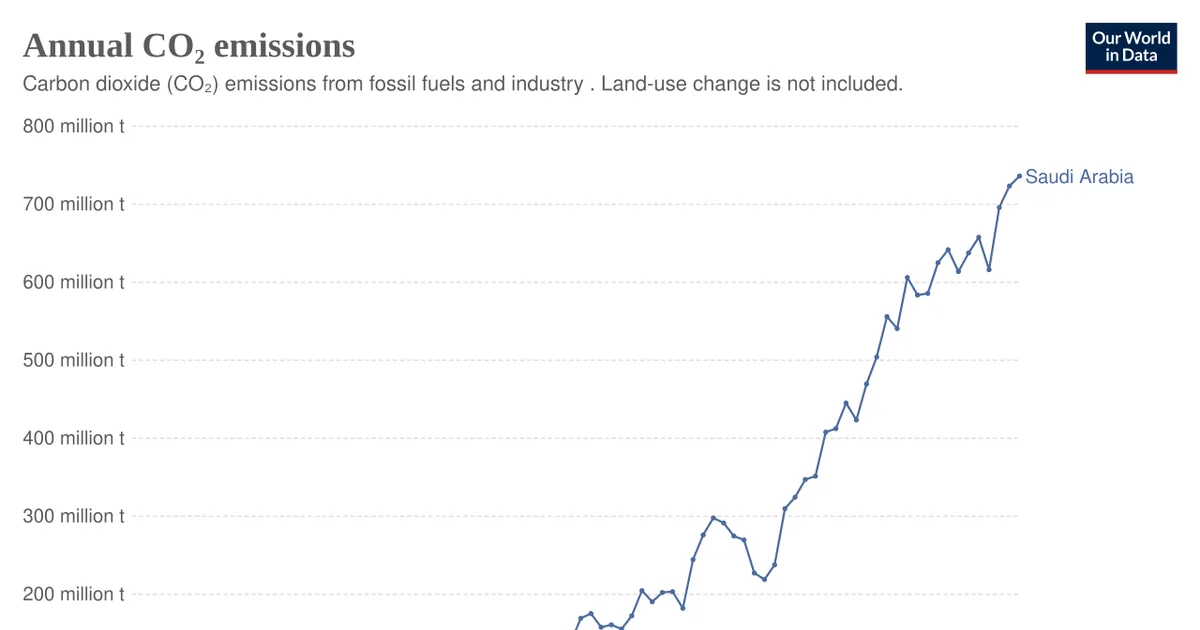
Despite past diplomatic tensions, Canada and Saudi Arabia are deepening energy ties. In 2026, Saudi Arabia's Public Investment Fund (PIF) partnered with Canadian firms to develop green hydrogen projects in Alberta. This aligns with Saudi Vision 2030, which aims to diversify the kingdom's energy mix. The Energy in Saudi Arabia page highlights the kingdom's push for solar and wind energy, where Canadian expertise in smart grid technology is being deployed.
Key Initiatives
- LNG Exports: Canadian LNG terminals on the Pacific Coast are supplying both the US West Coast and Asian markets, reducing reliance on Middle Eastern oil.
- Nuclear Cooperation: Canada's Candu reactor technology is being considered for Saudi Arabia's civilian nuclear program, with safety and non-proliferation guarantees.
- Carbon Markets: A trilateral framework for carbon credits is being negotiated, linking Canadian, US, and Saudi carbon markets.
US Context
For the United States, these partnerships are critical for energy security and climate goals. The Biden administration's Inflation Reduction Act incentivizes clean energy imports from Canada, while US firms are investing in Saudi renewable projects. However, some US lawmakers express concerns about competition from Canadian LNG in European markets.
Eagle KSA Analysis
Eagle KSA (صقر الجزيرة) sees this as a win-win-win scenario. Canada gains market diversification, the US strengthens its supply chains, and Saudi Arabia accelerates its energy transition. The key challenge remains geopolitical stability, particularly in the Middle East, but the potential for trilateral cooperation is immense.
Conclusion
The Canadian energy partnerships of 2026 are not just about oil and gas; they represent a holistic approach to energy transition. As the world moves toward net-zero, Canada's role as a bridge between North America and the Middle East will be crucial. Stay tuned to Eagle KSA for more updates on this evolving story.